Table of Contents
Whipped Vanilla Buttercream with Almond Accent – The Ultimate Light & Fluffy Frosting
When I first stepped into my mother’s sun‑kissed kitchen in Fez, the air was thick with the scent of saffron and honey. Years later, training at Le Cordon‑Bleu in Paris sharpened my whisking technique, and now, on the Manhattan uptown, I aim to combine those memories into one creamy delight. This whipped vanilla buttercream, with a whisper of almond extract, is the frosting that turns ordinary cupcakes into festival‑worthy treats, and it’s the reason my friends keep asking for a “little more.”
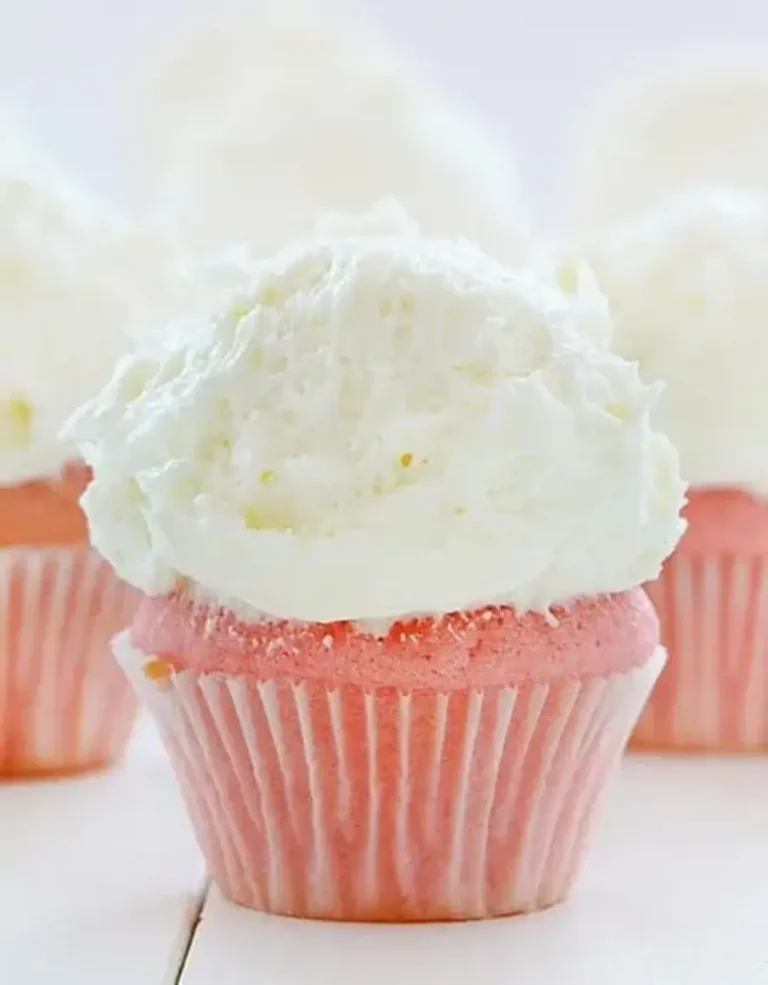
The texture is cloud‑soft, a bright ivory that melts on the palate, while the aroma of fresh vanilla mingles with a subtle nutty echo from the almond. When you spread it over a perfectly baked pound cake, the frosting sinks into scalloped edges, releasing a gentle warmth that feels like a sweet hug. The glossy finish invites you to knead it into a swirl or pipe delicate rosettes—each bite a whisper of Parisian pastry meets Moroccan hearth.
What sets this version apart is the dual‑extract harmony: vanilla gives that classic sweetness, while almond adds depth and stability for a longer shelf life. I’ll tease you with a pro tip on how to keep it fluffy even in humid summer, and warn against using too much milk—often the quickest route to a gummy maze. Ready? Let’s whip up a batch that’ll keep your baking flow seamless.
Why This Whipped Vanilla Buttercream Recipe Is the Best
The flavor secret lies in balancing two high‑elevation aromatics. My introduction to French pastry taught me to respect the butter’s natural richness, while the Moroccan spice bowl reminded me that a single drop of almond can elevate sweetness into an earthy caramel note. The result is a frosting that feels light yet indulgent, like a cloud with a whisper of nut.
Perfected texture comes from a two‑phase beating. First, butter is whisked until pale and airy—masking any graininess—then we slowly fold in sifted sugar, milk, and salt. The whisk attachment’s graduated motion creates proteins that trap air, so the frosting rises and stays airy for days. A professional tip: run the mixer on high for only 3 minutes after sugar is added; over‑whipping can break down the emulsion and cause separation.
Foolproof and fast: the recipe uses flat‑sided piping tips that allow even a novice to achieve a salon‑grade finish. Every ingredient is readily available in a Brooklyn farmers market or any U.S. grocery store, and the subtle almond twist prevents it from stiffening when reheated, meaning you can prepare a pound cake for a reunion and have glossy frosting one night later.
Vanilla Buttercream Ingredients
I get most of my butter from a dairy cooperative in Williamsburg, where the creaming process retains a buttery luster that feels like a soft kiss. The vanilla is sourced from Veracruz, Honduras, giving it a bright, clean profile that complements the Moroccan almond, and the sugar and milk are the everyday heroes that keep the mix stable.
Ingredients List
- 1 cup (2 sticks) softened unsalted butter
- 2 teaspoons vanilla extract
- 1 teaspoon almond extract
- 4 cups (32 ounces) confectioners sugar, sifted*
- 2 tablespoons whole milk (or up to ½ cup for a looser consistency)
- Pinch of salt
Ingredient Spotlight
Butter – Creamy spread, 226g, gives depth. Look for a butter that has frozen cold; they fold better. Substitution: ¾ cup vegan butter or oat butter will keep the texture but reduce dairy content, though it may be slightly saltier.
Vanilla Extract – Hallmark or premium Madagascar gives a richer hint of orchid. Swap with vanilla bean paste (½ tsp) for an intense vanilla lift; you’ll notice the sprinkle of coarse sugars brightens the color.
Almond Extract – The secret stabilizer. If unavailable, coconut extract works well but with a tropical twist; using ½ teaspoon reduces intensity and leaves the frosting slightly sweeter.
| Original Ingredient | Best Substitution | Flavor / Texture Impact |
|---|---|---|
| Unsalted Butter | Vegan butter (soy or oat) | Creamier but slightly saltier; less yellow hue |
| Confectioners Sugar | Coconut sugar | Lower GI, subtle caramel flavor |
| Whole Milk | Almond milk | Lighter texture; nutty undertone |
How to Make Whipped Vanilla Buttercream — Step-by-Step
Start by beating the butter until it’s soft and turned almost ivory, a simple sign that the emulsion is ready.
Step 1: Beat Butter
Place the softened butter in a mixing bowl with the whisk attachment on medium‑high speed. Whip for roughly 3 minutes until the texture is light and fluffy. You’ll notice the color brighten—a golden hue means the fats have incorporated.
💡 Pierre’s Pro Tip: Use slightly chilled butter to start; it keeps the butter from becoming too soft and helps maintain volume.
Step 2: Add Extracts
Turn the mixer down to low and add the vanilla and almond extracts. Stir gently until combined, watching for a smooth blend that carries both aromas. This is where the flavor base is set.
⚠️ Common Mistake to Avoid: Stirring too fast can keep the extracts from fully dissolving, causing a bitter undertone.
Step 3: Incorporate Sugar, Milk & Salt
With the mixer on low, slowly drizzle in the sifted confectioners sugar, then add the milk drop by drop while continuously scraping the sides of the bowl. Finish with a pinch of salt to lift the sweetness.
💡 Pierre’s Pro Tip: SIFT the sugar beforehand to avoid clumps; a smooth quinoa‑textured frosting is worth the extra effort.
Step 4: Final Whip
Now turn the mixer to medium-high and whip the mixture for at least 3 minutes. The frosting will double in volume and develop a silky sheen. For an extra airy lift, whip one more minute; stop when it becomes glossy.
⚠️ Common Mistake to Avoid: Over‑whipping can separate the butterfat; keep a close eye.
Step 5: Adjust Consistency
If the frosting feels too thick to pipe, gently beat in an extra tablespoon of milk at a time until you reach desired spreadability. Test by spreading a thin layer on a plate.
💡 Pierre’s Pro Tip: A quick test—drop a spoonful onto a cold plate; it should set in under 5 seconds.
Step 6: Store & Rewhip
Seal the frosting in an airtight container and refrigerate for up to two weeks. When ready to use, give it a brief rewhip at low speed for 30‑second bursts to regain fluffiness.
| Step | Action | Duration | Key Visual Cue |
|---|---|---|---|
| 1 | Beat Butter | 3 min | Light, airy, pale color |
| 2 | Add Extracts | 30 s | Smooth aroma, uniform color |
| 3 | Sugar, Milk & Salt | 2 min | Creamy consistency, uniform whiteness |
| 4 | Final Whip | 3 min | Glossy sheen, doubled volume |
| 5 | Adjust Consistency | ≤1 min | Smooth spreadable, no clumps |
| 6 | Rewhip & Store | 5 s bursts | Fluffy, ready for piping |
Serving & Presentation
On a chocolate cake, the frosting creates a runway of silky smoothness—a perfect canvas for sprinkled sea salt or candied pistachios. For cupcakes, pipe a flourish of rosettes, letting the almond wrinkle dance between flats. A splash of ruby‑red raspberry coulis under the banner of gold specks can transform a plain slice into a sensual statement.
From my NYC kitchen, I pair this frosting with a caramel macchiato for an indulgent, caffeine‑kissed finish. Side‑by‑side, a warm almond shortbread keeps the palate refreshed. For the holiday season, a dusting of snow‑white powdered sugar over a cake glazed with orange zest gives a bright, celebratory look that recalls my mother’s Moroccan sweets.
| Pairing Type | Suggestions | Why It Works |
|---|---|---|
| Side Dish | Light citrus cake, almond scones | Sweetness balances the rich frosting |
| Sauce / Dip | Velvety chocolate ganache, honey drizzle | Enhances nutty undertone, adds depth |
| Beverage | Sparkling rosé, cold brew latte | Balancing acidity & effervescence |
| Garnish | Flaked sea salt, candied almonds, fresh mint | Creates contrast and aroma |
Make-Ahead, Storage & Reheating
When my schedule sinks into a Brooklyn executive’s rhythm, I make the frosting in advance, letting it chill for the next day. A day or two ahead is the sweet spot: the butter still holds its structure but the taste deepens.
| Method | Container | Duration | Reheating Tip |
|---|---|---|---|
| Refrigerator | Glass airtight jar (tall handle) | 2 days | Rewhip 30 s; cool slightly before use |
| Freezer | Siluet storage bag | 3 months | Thaw 24 h; rewhip till fluffy |
| Make‑Ahead | Separate with cake layers in a vinyl container | 2 days | Reapply frosting just before serving for optimal texture |
I’ve found that refrigerating overnight gives the frosting a subtle zest that brightens the overall flavor—almost like the morning breeze on a Marrakesh balcony. When resuming use, give it a “mini‑whip” on low speed for 20‑30 seconds; the blissful cloud‑like texture returns in seconds.
Variations & Easy Swaps
| Variation | Key Change | Best For | Difficulty Impact |
|---|---|---|---|
| Almond‑Infused Buttercream | Add ½ tsp toasted almond paste | For nutty dinner desserts | Minor |
| Gluten‑Free/Dairy‑Free | Swap milk with oat milk, butter with coconut butter | Allergies, vegan | Moderate |
| Seasonal Citrus Twist | Replace almond extract with lemon zest oil | Spring cakes | Easy |
Almond‑Infused Buttercream
By adding a half teaspoon of toasted almond paste, the frosting gains a deep, nutty soul reminiscent of a velvety Moroccan couscous dish—an elegant addition that pairs wonderfully with a spiced apple tart.
Gluten‑Free/Dairy‑Free
Millell, the oat milk’s light sweetness, and coconut butter’s silky spread replace their dairy counterparts without sacrificing volume. The final mixture stays fluffy yet carries a tropical undertone, tested on a banana bread that came out crumbly rather than moist.
Seasonal Citrus Twist
Infusing the frosting with lemon zest oil instead of almond extract brightens it with a zesty caress, perfect for spring croissant salads or a refreshing lemon cake at a New York rooftop brunch.
FAQ
How long does whipped vanilla buttercream last in the fridge?
Whipped vanilla buttercream typically stays good for up to two weeks when stored in an airtight container in the refrigerator. Its high butter content and the stabilizing effect of the almond extract help keep the emulsion intact. If the frosting shows signs of frosting separation or a sour smell, discard it. Always check for color or texture changes before using.
Can I use salted butter for this frosting?
Yes, you can use salted butter, but you should reduce the pinch of salt in the recipe by half to avoid an overly salty finish. Salted butter will also add a subtle depth that echoes French pastry tradition. Because the frosting tends to mellow when chilled, the existing salt balances the sweetness well, providing a savory complexity.
What if I don’t have almond extract?
Almond extract can be replaced with a splash of vanilla bean paste (about ½ teaspoon), or with coconut extract for a tropical twist. The goal is to keep the frosting stable and airy; almond’s subtle nuttiness is unique, but these swaps still maintain a manageable texture. Just adjust the quantity to achieve a balanced sweetness.
Almond extract can be replaced with a splash of vanilla bean paste (about ½ teaspoon), or with coconut extract for a tropical twist. The goal is to keep the frosting stable and airy; almond’s subtle nuttiness is unique, but these swaps still maintain a manageable texture. Just adjust the quantity to achieve a balanced sweetness.
Is this frosting suitable for a chocolate cake?
Absolutely. The buttery base pairs beautifully with rich chocolate, creating a silky contrast that tastes like a Parisian éclair. Let the chocolate cake cool completely before frosting to avoid the frosting melting into brown swirls. Then pipe swirling rosettes to highlight the glossy finish.
How can I make this frosting thicker?
To thicken the frosting, add sugar gradually or improve the mix by whipping for a few seconds longer at high speed. You may also lower the amount of milk or use a cold marble slab to keep the butter cooler. A slightly denser frosting holds more structure and is ideal for layered cakes.
Will this frosting keep its flavor after freezing?
Yes, when frozen in an airtight zip‑lock bag for up to three months, the frosting retains its flavor profile. After thawing, give it a quick whisk at low speed; the almond extract helps re‑emulsify the mixture ensuring it remains fluffy. It’s perfect for holiday gifting or prep in advance for a big family gathering.
Can I replace confectioners sugar with regular sugar?
Regular granulated sugar will not dissolve smoothly, leading to a gritty texture. However, you can crush regular sugar into a fine powder and sift it before use, or use powdered erythritol as a low‑calorie alternative. The key is avoiding lumps and maintaining the frosting’s silky feel.
What are common mistakes to avoid?
Over‑whipping after adding sugar can break the emulsion and result in a grainy frosting. Using too much milk can make it too runny, while not adding enough creates a stiff, crumbly texture. Always let the butter rest at room temperature for 10 minutes, and keep the mixing bowl clean, so no old whisk parts or oil interfere.
Does adding fruit puree affect the consistency?
Fruit purees introduce moisture that may soften the frosting, but they also add vibrant flavors. To counteract softness, reduce the milk slightly or add an extra tablespoon of sugar for structure. Use purees like berries, mango, or passion fruit for a tropical note—you’ll need to rewhip until the mixture turns smooth again.
What is the best way to reheat this frosting?
Give the frosting a short burst of low‑speed whisking—no more than 20 seconds. Place the jar in a warm water bath for a minute if the mixture is very stiff. Avoid high heat, as moisture evaporates too quickly, and the frosting will seize. The goal is to restore a tender, airy state suitable for piping.
Share Your Version!
If this buttery creation sweetens your Sunday or powers up your office treats, rate it with a glowing star and leave a comment—I love hearing how I’m adapting these flavors for a New York calendar. Send me a photo on Instagram or Pinterest tagging @spicemingle and let me know if the almond hint brings that extra “wow” to your table.
From my NYC kitchen to yours — I hope this recipe brings as much warmth to your table as it does to mine. — Pierre 🧡
Love This Recipe? Save It to Pinterest!
If you enjoyed this Whipped Vanilla Buttercream recipe, don’t let it get lost in your browser tabs! 😄 Pin it now so you can find it again anytime — and explore hundreds more tried-and-tested recipes waiting for you on my Pinterest boards.
👉 Follow Pierre on Pinterest @exorecipe
📌 Pin this recipe · 🔁 Re-pin your favorites · 💬 Tag me when you make it — I love seeing your creations!
Enjoyed the frosting? Leave a comment, rate this recipe with five stars, and share your own twist on the almond‑silky basics. I can’t wait to see how you sprinkle a little Morocco into your Manhattan baking routine!

Vanilla Buttercream
Description
The BEST Whipped Vanilla Buttercream frosting!
Ingredients
- 1 cup (2 sticks or 226g) butter, (softened)
- 2 teaspoons Vanilla Extract
- 1 teaspoon Almond Extract
- 4 cups (32 ounces) confectioners sugar, (sifted*)
- 2 tablespoons whole milk, (you can use up to 1/2 cup if you need a loose, creamy consistency)
- pinch salt
Instructions
- Beat butter in bowl of stand mixer with whisk attachment on medium-high speed until light and fluffy. (about 3 minutes)
- Add vanilla and almond extract.
- With the mixer on low, slowly add in confectioners sugar , milk, and salt; frequently scrape sides and bottom of the bowl.
- Once incorporated, whip frosting for at least 3 minutes on medium high to high. (My mixer went for 7 minutes)
- If frosting is too thick to spread, gradually beat in additional milk.
- Store in refrigerator up to 2 weeks. Rewhip before using.