Table of Contents
Tomato, Cucumber, and Onion Salad Mediterranean Freshness Twist – crisp and vibrant
I grew up in the bustling markets of Morocco, where bright tomatoes, crisp cucumbers, and sweet onions danced together in endless salads. When I moved to New York, I carried those flavors with me, and this recipe is my homage to that childhood street‑food joy, infused with the Mediterranean freshness I learned in Paris.
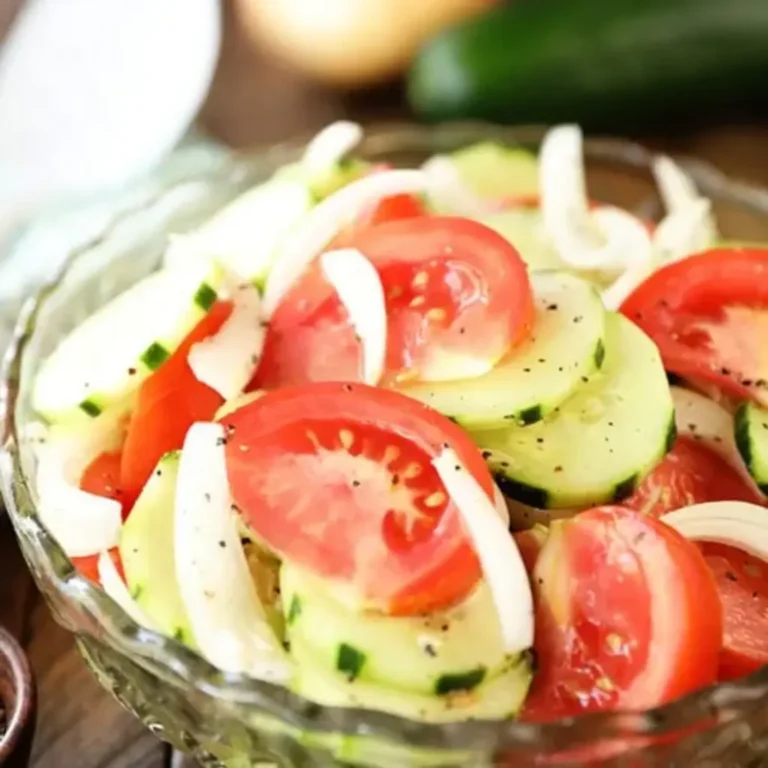
Imagine a plate where ruby tomato wedges, whisper‑thin cucumber ribbons, and translucent onion rings mingle under a sheen of bright white vinegar. The sandwich of textures—crunch, juiciness, slight sharpness—creates an aromatic, colorful spread that feels like a burst of summer in every bite.
I’ve tweaked this classic so it stays crisp even after resting in the fridge. By adding a dash of herbed vinaigrette, I keep the vegetables vibrant, and I’ll share a pro tip later that seals the flavors before the salad meets its chill. Avoid muddling the cucumbers; their crispness is key, and I’ll guide you around that common faux pas.
Why This Tomato, Cucumber, and Onion Salad Recipe Is the Best
The secret lies in my Moroccan‑French fusion: each ingredient is washed, sliced, and tossed in a vinaigrette that draws out their natural juices. I learned the art of balancing acidity and sweetness in the kitchen of a Parisian pâtisserie, then twisted it with the bright, earthy flavors of Casablanca.
Texture is paramount. Cutting the cucumber into thin ribbons and the tomatoes into wedges using a sharp knife ensures even drying during the marination. I employ a quick blanch for the onions, letting them soften slightly while preserving their zing—an approach I perfected during dinner parties in Chelsea.
Like any dish that can be over‑detailed, I keep this one simple, so even beginner cooks can replicate it without fuss. The resting period locks in flavor, giving you a versatile side that can accompany salads, sandwiches, or even a quick bagel topper.
Tomato Cucumber and Onion Salad Ingredients
I sourced these staples at the Union Square Greenmarket, where vendors sell heirloom tomatoes that dazzle against the blue of a summer sky, and the cucumbers come straight from a family farm in upstate New York, giving the crunch a delightful snap.
Ingredients List
- 1 English cucumber (or 2–3 Kirby cucumbers) peeled and thinly sliced
- 3 garden fresh tomatoes, cut into wedges
- 1 sweet onion, thinly sliced
- 1 cup white vinegar
- 2 tablespoons vegetable or olive oil
- ¼ cup water
- 1 tablespoon sugar
- 1 teaspoon salt
- ½ teaspoon pepper
Ingredient Spotlight
English Cucumber: Source cucumbers that are firm, green, and free of speckled spots for the crispest bite. A substitute is a Drummer Knife‑cut small cucumber, offering a sweeter flavor and less bitterness.
Heirloom Tomato: Look for plum or San Marzano varieties that hold their shape well. To reduce acidity, replace fennel seed with crushed red pepper for a subtle heat.
Sweet Onion: Choose sweet “Roux” or Vidalia onions; they melt into an aromatic center without overpowering the veggies. Alternatively, a red onion offers more color and a slight sharpness.
| Original Ingredient | Best Substitution | Flavor / Texture Impact |
|---|---|---|
| English Cucumber | Small “Corn” cucumber | Softer, sweeter bite. |
| White Vinegar | Red wine vinegar | Adds fruity depth. |
How to Make Tomato, Cucumber, and Onion Salad — Step-by-Step
Begin by slicing the vegetables, then whisk together the vinaigrette. Toss gently, cover, and let the flavors marry for at least an hour before serving.
Step 1: Prepare Vegetables
Peel and thinly slice the cucumber into 1/8‑inch ribbons. Cut tomatoes into wedges, and thinly slice a sweet onion into radial rings. Arrange the veggies in a large bowl, preserving the colorful layers.
💡 Pierre’s Pro Tip: Use a mandoline slicer for uniform thickness and a safer, cleaner cutting process.
Step 2: Make Herbed Icing
Whisk together 1 cup white vinegar, 2 tablespoons olive oil, ¼ cup water, 1 tablespoon sugar, 1 teaspoon salt, and ½ teaspoon pepper until sugar dissolves. Optional: fold in a pinch of dried oregano or thyme for a Mediterranean touch.
⚠️ Common Mistake to Avoid: Skipping the sugar can make the dressing too sharp; always sweeten to balance acidity.
Step 3: Assemble & Chill
Pour the vinaigrette over the vegetables, toss gently until just coated. Cover the bowl with plastic wrap or a snug lid, place in the refrigerator, and let rest for at least 1 hour—tossing a few times to ensure even marination.
💡 Pierre’s Pro Tip: Serve the salad cold, as the chilled veggies hold their crispness and the dressing becomes silky.
| Step | Action | Duration | Key Visual Cue |
|---|---|---|---|
| 1 | Slice veggies | 10‑12 mins | Uniform ribbons |
| 2 | Whisk dressing | 2‑3 mins | Appearance glossy |
| 3 | Marinate & chill | 60 mins | Veins of dressing on veggies |
Serving & Presentation
Transfer the chilled salad to a shallow bowl, drizzle a hint more vinaigrette over the top, and sprinkle freshly chopped parsley or mint for added brightness. Serve on a crisp white plate with a dash of sea salt.
In NYC, I often pair this salad with a smoky grilled cheese sandwich or a simple sliced baguette, giving it a sophisticated crunch. For a more formal touch, add a few shards of burrata or a scattering of toasted pine nuts.
The vibrant colors make it instant Instagram‑ready, so don’t be shy about plating it in a bowl that showcases the layers. A pinch of paprika dust adds an ambiguous heat and a pop of color reminiscent of a Moroccan souk.
| Pairing Type | Suggestions | Why It Works |
|---|---|---|
| Side Dish | Grilled chicken thigh, roasted corn on the cob, or a warm flatbread | Fresh flavors cut through the savory and the heat of the side. |
| Sauce / Dip | Hummus, tzatziki, or a lemon‑yogurt sauce | Combines creamy texture with complementary acidity. |
| Beverage | Rosé, Sauvignon Blanc, or sparkling water with lemon | The acidity cleanses palate and vibes with summer. |
| Garnish | Fresh mint sprigs, microgreens, or finely diced red pepper | Brightens color and adds aromatic lift. |
Make-Ahead, Storage & Reheating
I love prepping this salad a day ahead for my quick lunch routine. Wrap it in an airtight container and store it in the fridge for up to 3 days. When serving, just give the dressing a little stir; no reheating needed.
| Method | Container | Duration | Reheating Tip |
|---|---|---|---|
| Refrigerator | Sturdy glass jar | 3 days | Shake lightly before serving. |
| Freezer | Silicone bag | 2 months | Thaw overnight, remix dressing. |
| Make-Ahead | Plastic container with top lid | 3 days in advance | Assemble less than 24 hrs before feeding. |
I’ve found that a quick stir of olive oil and a splash of citrus before plating restores the dressing’s sheen and balances any off‑acid that develops during storage.
Variations & Easy Swaps
| Variation | Key Change | Best For | Difficulty Impact |
|---|---|---|---|
| Roasted Garlic Boost | Add roasted garlic cloves to the dressing. | Irresistible depth for dinner. | Easy. |
| Gluten-Free Version | Use corn tortilla strips instead of pita. | Suitable for gluten‑sensitive guests. | Very easy. |
| Summer Citrus Twist | Alternate orange zest and lime in dressing. | Light, refreshing for brunch. | Easy. |
Roasted Garlic Boost
Roasting garlic mellows its sharpness and offers a sweet, nutty undertone that pairs nicely with the bright vinegar. In Paris, chefs often fold pre‑roasted garlic into vinaigrettes for a depth that hints at French country cooking.
Gluten‑Free Version
If you prefer a gluten‑free plate, swap the neutral pita or flatbread you might serve alongside for crumbled corn tortilla chips or toasted seaweed sheets. The crispness remains delicious while catering to dietary needs.
Summer Citrus Twist
Add zesty orange peel and a splash of lime juice to the vinaigrette, turning this simple green and red salad into a bright, summery medley. Fresh citrus is abundant at the Brooklyn Farmers’ Market in mid‑June.
What is the best way to keep this salad crunchy?
To keep the tomatoes, cucumbers, and onions crisp, slice them thin and let them rest in the fridge for at least an hour after the dressing is added. The dressing’s acid and sugar slightly tenderize but, if left for too long, the cucumbers may soften. Shaking the salad right before serving also redistributes the dressing and maintains that desired snap. If you’re short on time, a quick rinse under cold water before placing in the fridge can help to firm the fibers a bit.
Can I use red or yellow onions instead of sweet?
Yes, red or yellow onions work, but they differ in color and bite. Red onions provide a subtler pungency and a pop of purple, which can add visual interest, whereas yellow onions are milder and more yellowish. Sweet onions are the preferred choice here because their high sugar content keeps the salad from becoming too sharp. To mimic sweet onion flavor, you can add a pinch of sugar or a very mild garlic powder. Experimentation in the kitchen always brings new surprises.
Is this salad suitable for a weekday lunch?
Absolutely! The salad’s quick prep time—10 minutes of chopping plus 1‑hour marination—makes it a perfect make‑ahead lunch. Set it in a medium plastic container, and it will hold up well in a refrigerator for up to three days. It’s a nutrient‑dense, low‑calorie option that can be topped with a protein, like grilled chicken, or served alongside a fresh sandwich for a balanced meal. The flavor envelope also stays lively, so the salad feels fresh even after a full day in the fridge.
What substitutions are available for the vinegar?
If you prefer a milder tang, use apple cider or white wine vinegar instead of white vinegar; these have a slightly sweeter note that cuts the sharpness differently. For a richer, fruitier flavor, red wine vinegar works nicely, too. Some bakers use balsamic vinegar in place of white vinegar when they want a darker, sweeter dressing; just add a little less sugar to balance the sweetness. The choice of vinegar can subtly shift the overall profile, so feel free to experiment and see which one resonates with your palate.
Can this salad be served warm?
Although the recipe is designed for a cold, refreshing bite, it’s adaptable to warm applications. Lightly sauté the vegetables in a hot skillet for 1‑2 minutes to soften slightly, then add the vinaigrette and warm everything until the dressing thickens and coats the veggies. This creates a “warm” salad that’s similar to a carmelized vegetable mix. Keep the heat to about 120°F to avoid drying out the cucumbers, and add fresh herbs after cooking to preserve freshness.
How long can I store the salad after dressing?
You can keep the salad in the refrigerator for up to three days after the dressing is added. After the first 24 hours, you might notice the cucumbers soften slightly, so it’s best to use the salad within that timeframe for maximum crispness. If you need to store it longer, hold the dressing separately and mix it in just before eating; this preserves texture and prevents the salad from becoming soggy.
What ingredients can I add for extra protein?
Adding protein is simple and versatile. Grilled or roasted chicken breast, sliced steak, or even a soft scrambled tofu blend in nicely. For a vegetarian option, sprinkle the salad with chickpeas or a handful of toasted pine nuts; for a pescatarian choice, mix in seared salmon or diced tuna. Each option offers a different flavor profile while raising the meal’s nutritional value and satiety.
What are the best herbs to include in the vinaigrette?
Fresh herbs like oregano, thyme, basil, or parsley are fantastic for brightening the dressing and adding depth. Rolled herbs may release subtle flavors, whereas dried herbs deliver a concentrated taste; if using dried, reduce the quantity by about half. The herbal choice hinges on your personal preference: oregano mimics a Greek or Mediterranean vibe, thyme offers earthy tones, basil introduces sweetness, and parsley gives a fresh, peppery finish.
Can I add any toppings to enhance the salad?
Yes! Pickles, capers, or edible flowers add texture and flavor. Incorporate croutons for crunch, or toss in a handful of toasted almond slivers for nutty notes. A drizzle of pesto or yogurt sauce can introduce creamy richness that complements the crispy vegetable base. Feel free to experiment with flavor layers — the salad is a blank canvas that grows with your creativity.
Is there a way to make this salad vegan?
Definitely. All current ingredients are plant‑based, but if you want to reinforce vegan status, simply ensure your oil is a non‑animal product, like olive oil or avocado oil, and use a vegan-packed vinaigrette. For a protein boost, add chickpeas, roasted chickpea fluff, or hemp seeds. The salad’s core flavors remain unchanged, while the vegan tweaks make it suitable for any diet.
Share Your Version!
I’d love to hear how you tweaked this recipe in your own kitchen. Drop a star rating, leave a comment below, and tell me what you added—did you toss in a spicy kick or choose a different dressing? The joy of cooking lives in sharing, so please also tag me on Instagram or Pinterest with the picture of your creation.
From my NYC kitchen to yours — I hope this recipe brings as much warmth to your table as it does to mine. — Pierre 🧡
Love This Recipe? Save It to Pinterest!
If you enjoyed this Tomato, Cucumber, and Onion Salad recipe, don’t let it get lost in your browser tabs! 😄 Pin it now so you can find it again anytime — and explore hundreds more tried-and-tested recipes waiting for you on my Pinterest boards.
👉 Follow Pierre on Pinterest @chefrecipes2
📌 Pin this recipe · 🔁 Re-pin your favorites · 💬 Tag me when you make it — I love seeing your creations!
Tomato, Cucumber, and Onion Salad
Ingredients
- 1 English cucumber (or 2 to 3 Kirby cucumbers) peeled and thinly sliced
- 3 garden fresh tomatoes, cut into wedges
- 1 sweet onion, thinly sliced
- 1 cup white vinegar
- 2 tablespoons vegetable or olive oil
- 1/4 cup water
- 1 tablespoon sugar
- 1 teaspoon salt
- 1/2 teaspoon pepper
Instructions
- In a large bowl, combine the cucumbers, tomatoes, and onions.
- In a medium bowl, whisk together the vinegar, oil, water, sugar, salt, and pepper. Pour the dressing over the vegetables and gently toss to coat. Cover and store in the refrigerator (tossing a few times) for at least 1 hour before serving.