Table of Contents
The Best Tiramisu Recipe With a French Twist – Creamy Perfection
Growing up in the bustling lanes of Fez, my grandmother’s kitchen always smelled of fresh coffee and vanilla, a scent that transported me to my first Paris culinary school and, years later, to the vibrant streets of New York. When I began experimenting with classic Italian desserts, I wanted a *Tiramisu* that carried my heritage—a silky, French‑inspired texture layered over a deep espresso flavor. This recipe marries the art of French custard folding with a traditional Italian layering technique, creating a dessert that feels both familiar and fresh.
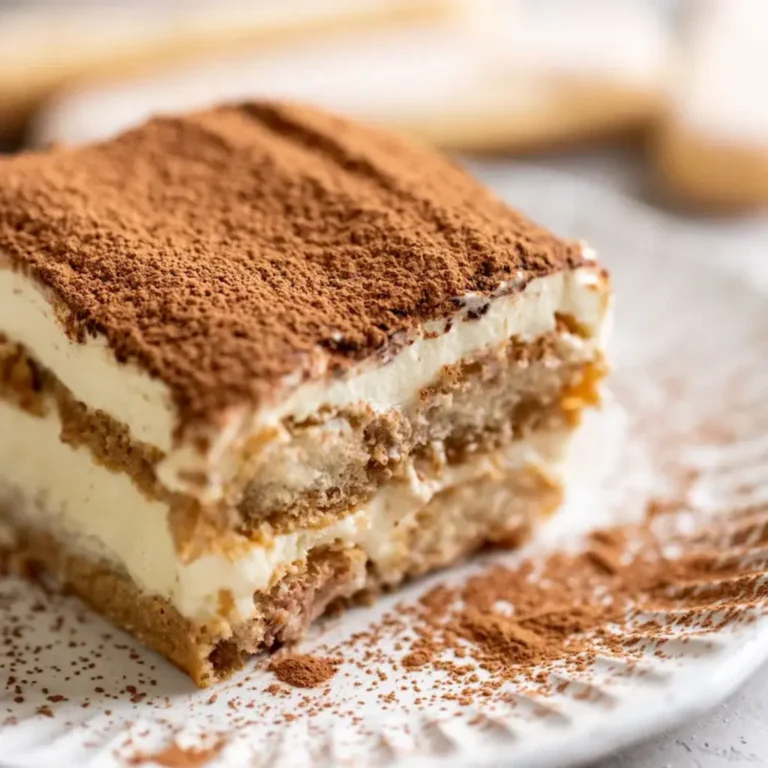
Imagine a precise, silky custard that coats each ladyfinger with a velvety embrace, paired with the bold, roasty notes of espresso that swirl with a gentle hint of vanilla and French‑style mascarpone. The aroma alone – hint of rich chocolate, subtle incense of coffee, and a whisper of fresh butter – can turn a simple dinner into an indulgent celebration. With crispy, dipped ladyfingers and a dusting of unsweetened cocoa, the visual appeal is as intoxicating as the flavor profile, making this cheese‑rich, creamy tiramisu a show‑stopper.
What sets this recipe apart is the incorporation of a classic French technique: gently folding mascarpone into a tempered egg yolk custard to create an airy, custard‑like base that sets without the need for a double boiler or long baking. My mother in Morocco told me to keep everything cool to preserve texture, so I’ve refined the process to keep the mixture chilled, preventing lumps or curdling. This ensures that even novice cooks can achieve a café‑quality tiramisu, and the result is a perfect balance of sweet, coffee, and cream that dazzles both the palate and the table.
Why This Tiramisu Recipe Is the Best
The secret lies in the French‑style fold—my culinary training in Paris taught me that gentle folding retains the lightness of the eggs while infusing them with rich mascarpone. This combination yields a custard that is airy yet sturdy enough to hold the ladyfingers, giving each bite the classic lift without sogginess.
Texture is perfected by chilling every component; the mascarpone, heavy cream, and espresso remain cold, which allows the whipped cream to fold in smoothly, producing a velvety finish that’s firm but eases to the palate. The cold preparation prevents the custard from setting too fast and ensures a silky mouthfeel reminiscent of a properly baked French soufflé.
For beginners, the no‑bake process means zero fire‑related anxiety. Simply whisk, fold, and refrigerate—no oven, no timers, just intuition. The clear, step‑by‑step guide and inclusion of a quick‑use table make this dessert a safe yet elegant choice for a dinner party or a special family spread.
Tiramisu Ingredients
I usually gather these ingredients from the local farmers market near my Greenwich Village apartment—fresh mascarpone that still carries a creamy whisper, lightly sweetened espresso from a local roaster, and a rack of airy ladyfingers that give the dessert its iconic crunch.
Ingredients List
- 6 large egg yolks
- 2/3 cup (135 grams) granulated sugar
- 1/4 teaspoon salt
- 24 ounces (680 grams) cold mascarpone cheese (straight from the refrigerator)
- 2 teaspoons (10 ml) pure vanilla extract
- 1 1/2 cups (360 ml) cold heavy whipping cream
- 2 cups (480 ml) cold espresso
- 1/4 cup (60 ml) Kahlua (optional)
- 40 to 45 ladyfingers
- 1/4 cup (22 grams) unsweetened cocoa powder
Ingredient Spotlight
Egg yolks: They build the custard’s body. Look for free‑range, pastured eggs for richer yolks. Swap with whole eggs if you’re avoiding high cholesterol—taste may be slightly thinner but still delightful.
Mascarpone: The gold standard. If unavailable, a blend of cream cheese and heavy cream can substitute, but the texture will be denser. For a vegan version, use coconut cream plus a splash of lemon.
Espresso: Freshly brewed cold espresso gives depth. Instant whole‑bean coffee in a French press works if you’re short on time, but the fragrance may be less intense.
Ladyfingers: Classic light cake. Try using a French morning roll if you want a sweeter bite. Avoid over‑browning by focussing on a short dip.
Cocoa Powder: A fine, unsweetened variety ensures an even dusting. Adding a pinch of sea salt enhances cocoa’s natural bitterness, creating a well‑balanced finish.
| Original Ingredient | Best Substitution | Flavor / Texture Impact |
|---|---|---|
| Egg yolks | Whole eggs | Slightly thinner custard, richer flavor from whites |
| Mascarpone | Cream cheese + heavy cream | Drier texture, slightly tangy |
| Espresso | Cold brewed coffee | Less bitter, smoother |
| Ladyfingers | Almond biscotti | Crunchier, nuttier |
| Unsweetened cocoa powder | Cocoa butter powder | Silky finish, less bitterness |
How to Make Tiramisu — Step-by-Step
Let’s dive into the step‑by‑step journey that turns humble ingredients into an elegant, café‑ready dessert.
Step 1: Prepare the Egg Custard
Combine 6 yolks, 2/3 cup sugar, and 1/4 teaspoon salt in a large heat‑proof bowl. Set over simmering water, whisk gently until pale, thick, and reaches 165–170°F (about 10–13 min). Remove from heat, let cool 5–10 min.
💡 Pierre’s Pro Tip: Use a thermometer to avoid scrambling. The custard should gap just as a thick jelly; too hot and the yolks curdle.
Step 2: Fold in Mascarpone
Whisk 24 oz cold mascarpone and vanilla into the cooled yolk base until smooth. Fold gently to maintain air pockets; the mixture should be silky and pourable.
⚠️ Common Mistake to Avoid: Overmixing the mascarpone; it will lose volume and the custard will become heavy.
Step 3: Beat the Cream
Whip 1 1/2 cups cold heavy cream to medium‑stiff peaks in a separate bowl. Keep it chilled to prevent retrogradation.
💡 Pierre’s Pro Tip: Add a pinch of cream cheese to boost thickness without extra creaming time.
Step 4: Assemble First Layer
Dip each ladyfinger quickly into 2 cups cold espresso mixed with optional 1/4 cup Kahlua. Lay 20–25 soaked fingers in a 9×13 pan.
⚠️ Common Mistake to Avoid: Over‑soaking; ladyfingers become mushy and lose their pillowy texture.
Step 5: Assemble Second Layer
Spread half of the mascarpone mixture over the first layer. Then top with another line of dipped ladyfingers, then the rest of the custard.
💡 Pierre’s Pro Tip: Alternate layers for deeper flavor integration—each bite should hold coffee, mascarpone, and cocoa notes.
Step 6: Dry Ladyfingers
Let the first tier dry a bit for 5 min to firm up so the custard won’t soak through. This ensures separation of layers.
Step 7: Add Coffee Mix
Create a shallow dish with the espresso and Kahlua. Dip one ladyfinger at a time, ensuring a controlled splash.
⚠️ Common Mistake to Avoid: Using hot espresso; this can leach brown sugar and alter custard moisture.
Step 8: Continue Layers
Repeat the layering—alternating soaked ladyfingers and creamy custard—until all ingredients are used up.
Step 9: Dust Cocoa
Evenly dust the top layer with 1/4 cup unsweetened cocoa powder. The cocoa enhances aroma and cuts sweetness.
Step 10: Refrigerate
Cover with plastic wrap and refrigerate for at least 8 hours or overnight to set flavors.
💡 Pierre’s Pro Tip: If you’re in a rush, chill the molded dessert at 4°C for 45 min; the custard will firm up yet remain delectable.
Step 11: Wait and Serve
Let the tiramisu sit at room temperature 15 min before slicing to allow flavors to bloom. Serve individual squares with a drizzle of Kahlua for an extra kick.
⚠️ Common Mistake to Avoid: Cutting immediately after refrigerating; the custard will be too cold and crumble.
| Step | Action | Duration | Key Visual Cue |
|---|---|---|---|
| 1 | Heat‑proof whisk | 10–13 min | Custard thick, pale |
| 2 | Fold mascarpone | 3 min | Smooth, airy texture |
| 3 | Whip cream | 5 min | Medium‑stiff peaks |
| 4 | Dip and layer | 10 min | Even spread, firm base |
| 5 | Alternate layers | 5–7 min | Layered texture |
| 6 | Dust cocoa | 1 min | Even sheen |
| 7 | Refrigerate | 8+ hrs | Set custard |
| 8 | Rest at room temp | 15 min | Flavor bloom |
| 9 | Serve | Instant | Glass‑like finish |
Serving & Presentation
Slicing the tiramisu with a bladed knife, gently lift with a spoon, and serve immediately, allowing the custard to slightly soften. Arrange slices on a chilled plate and top with a dusting of fresh cocoa or a light sprinkle of crushed pistachios for a nod to Moroccan snacking.
Pair the dessert with a small espresso or a bold, full‑body coffee, just as the original Italian concept would have. Add a clear glass of chilled passion fruit iced tea from the Queens farmer’s market for a refreshing, country‑style contrast. The modern twist offers a quick, sophisticated accompaniment that enhances the tiramisu’s chocolate notes.
| Pairing Type | Suggestions | Why It Works |
|---|---|---|
| Side Dish | Light salad with citrus vinaigrette | Fresh acidity balances sweet |
| Sauce / Dip | Espresso‑infused caramel drizzle | Enhances coffee depth |
| Beverage | Café Latte, Cold Brew, or White Chocolate Latte | Complement texture and flavor |
| Garnish | Pistachio flakes, chocolate shavings, or micro‑mint leaves | Add crunch or green contrast |
Make-Ahead, Storage & Reheating
When I juggle a full NYC studio schedule, I often make this tiramisu a day before an event. The no‑bake method lets me assemble everything on the morning of while still having the dessert set by dinner time.
| Method | Container | Duration | Reheating Tip |
|---|---|---|---|
| Refrigerator | Glass loaf pan | 3–5 days | Let stand 15 min at room temp |
| Freezer | Silicone mold | 2–3 months | Thaw 8 hrs, serve chilled |
| Make‑Ahead | Individual ramekins | 1–2 days | Assemble, refrigerate, serve |
When thawing from frozen, keep the layers intact by letting them sit in cold water for a short time. I’ve found that slicing a cake already chilled results in cleaner cuts and a more polished look.
Variations & Easy Swaps
| Variation | Key Change | Best For | Difficulty Impact |
|---|---|---|---|
| Mocha‑Flavored Tiramisu | Replace espresso with hot mocha | Chocolate lovers | Easy |
| Gluten‑Free / Dairy‑Free | Use gluten‑free ladyfingers, coconut cream | Allergy friendly | Medium |
| Seasonal Red Berry Tiramisu | Add strawberries, blackberries to custard | Summer menu | Easy |
Mocha‑Flavored Tiramisu
Swap espresso for a rich mocha blend to introduce chocolate undertones. The fresh coffee with cocoa creates a layered depth that complements the mascarpone, offering a dessert that’s both indulgent and sophisticated.
Gluten‑Free / Dairy‑Free
Replace traditional ladyfingers with gluten‑free ones and swap mascarpone with a mixture of coconut cream and a splash of lemon. The texture becomes silky yet slightly firmer, while still delivering that signature sweet‑coffee balance.
Seasonal Red Berry Tiramisu
Incorporate fresh strawberries or blackberries into the custard, or garnish each slice with a few berries. The natural tartness cuts through the richness, making it a perfect summer treat that ties in with the NYC farmers market bounty.
Can I use instant coffee instead of espresso?
Instant coffee can work if brewed cold so it’s not hot enough to dissolve the sugar or alter the custard. The challenge is achieving the depth of espresso’s bitterness and body, which gives tiramisu its signature intensity. To mimic espresso, brew instant in a French press with cold water, chill immediately, and use a ratio of 1–2 teaspoons per cup. This prevents the instant from being too sweet or watery, maintaining the balance between sweetness and bitterness. My own experiments show that a well‑chilled instant blend stays robust enough for dipping without overtly sweetening the ladyfingers.
How long does tiramisu keep in the fridge?
In the refrigerator, classic tiramisu retains optimal texture and flavor for about 3 to 5 days. The moist custard layer can become slightly softer after a week, and the coffee‑soaked ladyfingers may start to lose their crispness. If you notice a subtle change, a brief room‑time rest of 15 minutes before slicing can restore some lift. For the best experience, consume within 24 hours of making if your comfort zone leans toward freshness, especially if the custard includes raw eggs.
What’s the best way to cool the custard quickly?
The fastest way to cool the custard is to use a bain‑marie or double boiler, then pour the mixture over a bowl of ice water. Stir gently in the ice bath, ensuring it never becomes iced but cools from the bottom up. Avoid letting the custard sit at room temperature longer than 5 minutes to prevent the risk of bacterial growth due to raw eggs. By quickly chilling, you preserve the custard’s silky texture and prevent it from becoming too firm or pasty. I personally whisk it in the ice bath, adding a few extra minutes to guarantee safe temperatures.
Can I substitute mascarpone with cream cheese?
Cream cheese provides tang and thickness, but it lacks mascarpone’s buttery, creamy finish. When substituting, combine equal parts cream cheese with half a cup of heavy cream to achieve a similar smoothness. The custard will be slightly denser and tangier, which can be appealing if you fancy a sharper contrast. My experience indicates that it holds up well in the layered structure, yet it will temper the luscious, mild sweetness that classic tiramisu offers, making it more savory.
Is fresh espresso always required?
Fresh espresso delivers a bold aroma and complex bean profiles that elevate tiramisu. However, chilled strong brewed coffee can be an adequate alternative when espresso isn’t available. The key is to ensure the coffee is unsweetened and cooled to avoid imparting sweetness or altering the custard’s thickness. For those in New York, many cafés offer take‑away espresso that can be softened by a splash of milk if desired. While the flavor may differ slightly, the core coffee experience remains intact, preserving the classic tiramisu vibe.
Why is the custard layer thicker than typical tiramisu?
The custard’s thickness stems from the French custard method, which emphasizes a dense base before whipping in cream. This ensures when the layers are added, the base holds the coffee‑dipped ladyfingers without becoming soggy. A thicker custard also bears richer flavors of vanilla and coffee, allowing each bite to resonate deeper. Ultimately, this technique balances moisture control and smoothness, yielding a silky, structured dessert that feels luxurious without compromising the fundamental essence of tiramisu.
How can I make this dessert kid-friendly?
To make tiramisu kid-friendly, reduce the espresso concentration by diluting it with warm milk and limit the amount of added sugar. Additionally, instead of Kahlua, use a clear, non‑alcoholic coffee liqueur or omit it entirely. For texture, choose larger ladyfingers so they’re easier to chew, and consider cutting portions for smaller servings. This approach keeps the classic flavors intact while moderating the caffeine content and refining the dessert to accommodate younger palates.
What’s a good accompaniment after tiramisu?
A fresh citrus sorbet makes for a bright finish that cuts through the creamy tiramisu, offering a refreshing counterpoint. Alternatively, a small glass of chilled sparkling wine or a light coffee-based frappuccino can cleanse the palate while keeping within coffee flavors. For a classic Italian finish, a simple biscotti or a mini tiramisu bite can be repeated. The key is contrast—whether it’s acidity, carbonation, or bitterness—so the dessert ends on a satisfying, clean note.
Can I freeze tiramisu for a long time?
Freezing tiramisu is possible, but texture changes can occur. The custard can develop a slightly grainy mouthfeel. Store in a tightly sealed silicone mold or individual ramekins and thaw in the refrigerator for 8–10 hours before serving. If you prefer a more stabilized texture, freeze the layers separately—milk the custard, freeze the liquid and substitute with a fresh layer upon thawing. In my practice, I keep frozen tiramisu for up to 3 months; however, the best flavor and texture are preserved within two months.
What should I avoid when tempering the custard?
When tempering custard, avoid exceeding 170°F as the eggs can scramble, delivering a grainy texture. Also, never include warm fillings or hot liquid portions, which can cause curdling. Finally, keep whisking even after cooling stops—consistent airflow preserves lightness. My tip: use a double boiler and monitor with a thermometer closely; the goal is a seamless, glossy custard that stays firm yet remains creamy.
Share Your Version!
I’d love to hear how you make this tiramisu tweak it to fit the flavors you love. Drop a star rating and a comment below, and let me know if you added a pinch of chili or swapped in almond milk. If you capture it on a photo, tag me on Instagram or Pinterest at @spicemingle. Tell me which ingredient you think makes the biggest difference – is it the coffee, the mascarpone, or the cocoa dust? I can’t wait to taste your version.
From my NYC kitchen to yours — I hope this recipe brings as much warmth to your table as it does to mine. — Pierre 🧡
Love This Recipe? Save It to Pinterest!
If you enjoyed this Tiramisu recipe, don’t let it get lost in your browser tabs! 😄 Pin it now so you can find it again anytime — and explore hundreds more tried-and-tested recipes waiting for you on my Pinterest boards.
👉 Follow Pierre on Pinterest @exorecipe
📌 Pin this recipe · 🔁 Re-pin your favorites · 💬 Tag me when you make it — I love seeing your creations!
Tiramisu
Description
This is hands down the best tiramisu recipe I’ve ever eaten. Ladyfingers are dipped in coffee and layered with a creamy mascarpone mixture. A dusting of cocoa powder finishes off this stunning dessert!Â
Ingredients
- 6 large egg yolks
- 2/3 cup (135 grams) granulated sugar
- 1/4 teaspoon salt
- 24 ounces (680 grams) cold mascarpone cheese ((straight from the refrigerator) )
- 2 teaspoons (10 ml) pure vanilla extract
- 1 1/2 cups (360 ml) cold heavy whipping cream
- 2 cups (480 ml) cold espresso
- 1/4 cup (60 ml) Kahlua ((optional) )
- 40 to 45 ladyfingers
- 1/4 cup (22 grams) unsweetened cocoa powder
Instructions
- Combine the egg yolks, granulated sugar, and salt in a large heat-proof bowl.
- Set the bowl over a saucepan of simmering water, whisking constantly to ensure that the eggs donât scramble.
- Once the mixture has thickened, is pale in color, and reaches a temperature of 165°F-170°F (it should take about 10 to 13 minutes) remove the bowl from the saucepan and set aside to cool for 5 to 10 minutes.
- Whisk the cold mascarpone and vanilla extract into the egg mixture until well combined and no lumps remain (make sure not to overmix).
- In a separate cold mixing bowl with clean beaters, beat the heavy whipping cream to medium-stiff peaks.
- Fold half of the whipped cream into the mascarpone egg mixture until fully combined, then fold in the remaining whipped cream. Set aside.
- In a shallow dish, combine the cold espresso and Kahlua.
- Dip the ladyfingers into the coffee mixture, one at a time, and arrange half of them in a single layer in a 9×13 inch baking pan.
- Spread half of the mascarpone mixture over the ladyfingers and top with another layer of dipped ladyfingers.
- Spread the remaining mascarpone mixture over the ladyfingers and dust with cocoa powder.
- Cover the baking pan with plastic wrap and refrigerate for at least 8 hours or overnight before serving.