Table of Contents
Simple Lemon Caper Sauce – Easy, Tangy, Versatile Sauce for Any Meal
I still remember the first time I made a lemon caper sauce that truly sang. It was a quiet evening in my tiny Parisian apartment — I had just finished my culinary training, and my mother had sent me a jar of preserved lemons from Morocco. But tonight, I craved something simpler, fresher, and faster. I grabbed a lemon from the market, some capers I’d picked up on a whim, and within minutes, I had a sauce that tasted like sunshine. This simple lemon caper sauce is exactly that: a bright, tangy, and utterly versatile sauce that takes just 15 minutes and can transform any weeknight meal. Whether you’re drizzling it over pan-seared fish, tossing it with pasta, or spooning it over roasted chicken, this is the kind of recipe that makes you feel like a chef, even on a busy Tuesday. The magic is in the balance: the sharpness of fresh lemon juice, the briny pop of capers, and the silky richness of butter and olive oil. It’s a classic French technique that I learned in Paris, but it’s so simple that anyone can master it at home.
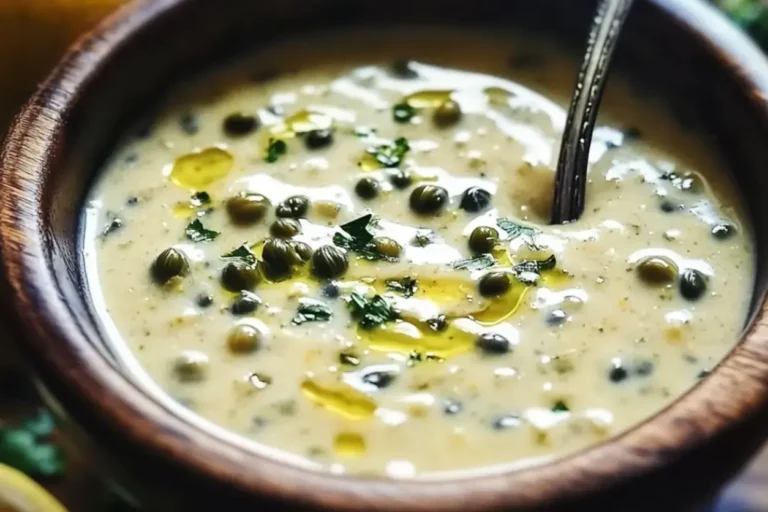
Let me walk you through the flavors here. The lemon caper sauce is a study in contrasts: the bright, citrusy tang of fresh lemon juice cuts through the richness of the butter, while the capers add a briny, almost pickled punch that wakes up your palate. A hint of garlic perfumes the oil, and the optional parsley brings a fresh, herbaceous note at the end. The texture is light yet luxurious — not heavy like a cream sauce, but with enough body to coat the back of a spoon. When you pour it over a piece of grilled salmon or a plate of tender steamed asparagus, the sauce glistens and clings, bringing everything together in one harmonious bite. A key technique I rely on is emulsifying the butter and olive oil with the lemon juice over low heat, which keeps the sauce from breaking and ensures a silky, uniform finish. This is the same method I use in my professional kitchen in New York, and it’s foolproof. I’ll share exactly how to get that restaurant-quality emulsion at home.
What makes my version of this classic sauce stand out? It’s all in the details. Many recipes overcook the garlic, which turns bitter, or add the lemon juice too early, which dulls its brightness. I’ve nailed down the timing so you get fragrant, golden garlic and a punchy citrus finish. This simple lemon caper sauce recipe is also incredibly forgiving — it works with dry white wine or chicken broth, and you can easily adjust the acidity to your taste. I’ve tested it with everything from delicate sole to hearty pork chops, and it never fails. One pro tip I’ll share later is how to fix a sauce that’s too sharp or too salty — because even chefs have off days. This recipe is about making you feel confident in the kitchen, armed with a simple technique that delivers big results. Whether you’re a beginner or a seasoned home cook, this sauce will become a staple in your repertoire.
Why This Simple Lemon Caper Sauce Recipe Is the Best
The flavor secret lies in the synergy between the lemon and the capers. Growing up in Morocco, I learned that capers are not just a salty garnish — they are a powerhouse of umami, capable of elevating a simple sauce into something unforgettable. The brininess of the capers contrasts beautifully with the bright acidity of fresh lemon juice, creating a sauce that is both vibrant and complex. My French training taught me to use a high-quality extra-virgin olive oil to round out the flavors, giving the sauce a fruity, peppery backbone that holds everything together. This is the kind of sauce that doesn’t just sit on the plate — it dances with the food, enhancing every ingredient it touches. The balance is so spot-on that you’ll find yourself making excuses to use it on everything.
Perfected texture comes down to one technique: low-and-slow emulsification. In my Parisian culinary school, we spent an entire week on sauce work, and the lesson I carry with me is that patience pays off. By melting the butter with the olive oil over medium heat and then whisking in the lemon juice gradually, you create a stable, creamy emulsion that won’t separate. This simple lemon caper sauce is not just about dumping ingredients into a pan — it’s about building layers. The capers and garlic infuse the oil, while the wine or broth deglazes the pan, picking up all those browned bits (the fond) that add depth. The result is a sauce that coats your food beautifully, without feeling greasy or thin.
Foolproof and fast is the motto I live by in my New York City kitchen. This simple lemon caper sauce recipe comes together in 15 minutes flat, making it perfect for busy weeknights when you still want a homemade meal. It’s also incredibly forgiving: if you accidentally add too much lemon juice, just stir in a pat of cold butter to balance the acidity. If it’s too salty from the capers, add a splash of water or broth to dilute it. The recipe works every single time, even for beginners, because the technique is grounded in basic principles that are easy to follow. I’ve taught this to dozens of home cooks, and they all come back with the same feedback — “I can’t believe how simple and delicious this is!” That’s the power of a well-crafted sauce.
Simple Lemon Caper Sauce Ingredients
When I shop for these ingredients, I often hit the Union Square Greenmarket in New York City — I love picking up fresh lemons from a local farm, and I always grab my capers from a specialty Italian deli in Little Italy. There’s something about using high-quality, seasonal ingredients that makes even the simplest sauce feel special. For this simple lemon caper sauce, each component plays a specific role, and getting them right makes all the difference.
Ingredients List
- 2 tablespoons unsalted butter
- 2 tablespoons olive oil
- 2 garlic cloves, minced
- ¼ cup dry white wine or chicken broth
- 2 tablespoons fresh lemon juice (about ½ a lemon)
- 2 tablespoons capers, rinsed and drained
- 1 teaspoon lemon zest
- Salt and black pepper, to taste
- 1 tablespoon fresh parsley, chopped (optional, for garnish)
Ingredient Spotlight
Lemons: Fresh lemon juice is non-negotiable here — bottled juice lacks the bright, floral notes that make this simple lemon caper sauce shine. At the grocery store, look for lemons that feel heavy for their size (they have more juice) with a smooth, thin skin. Meyer lemons can be used for a sweeter, less acidic sauce, but regular Eureka or Lisbon lemons are perfect. Substitution: In a pinch, use 2 tablespoons of white wine vinegar mixed with 1 teaspoon of sugar — but the flavor will be slightly sharper and less bright.
Capers: These little briny buds are the soul of the sauce. I prefer salt-packed capers preserved in brine, but jarred capers in vinegar work just fine. Always rinse them first to remove excess salt, unless you want a very salty sauce. Non-pareil capers are the smallest and most delicate; larger caper berries can be used but should be chopped finely. Substitution: Chopped green olives (such as Castelvetrano) can replace capers, offering a milder, buttery brininess without the intense saltiness.
Butter and Olive Oil: The combination of these two fats creates a rich, smooth base that carries the other flavors. Use unsalted butter so you can control the salt level from the capers. A good-quality extra-virgin olive oil adds a peppery fruitiness that complements the lemon. For the best simple lemon caper sauce, do not substitute all butter or all oil — the duo is essential for both flavor and texture. Substitution: For dairy-free, use a high-quality vegan butter (like Miyoko’s) and stick with olive oil — the sauce will be lighter but still delicious.
White Wine: A dry white wine like Sauvignon Blanc or Pinot Grigio adds acidity and depth, helping to deglaze the pan and meld the flavors. If you don’t cook with wine, chicken broth is an excellent substitute — it adds savory notes without the alcohol. Substitution: Vegetable broth also works, but the sauce will be slightly less complex; add a splash of apple cider vinegar to mimic the wine’s acidity.
| Original Ingredient | Best Substitution | Flavor / Texture Impact |
|---|---|---|
| Fresh lemon juice | White wine vinegar + sugar (2 tbsp vinegar + 1 tsp sugar) | Sharper, less bright; slightly sweeter finish |
| Capers | Chopped green olives (Castelvetrano) | Milder brininess, buttery texture, less salt |
| Unsalted butter | Vegan butter (e.g., Miyoko’s) | Lighter texture, dairy-free; still creamy |
| Dry white wine | Chicken broth + splash of apple cider vinegar | Less complex, more savory; add vinegar for acidity |
How to Make Simple Lemon Caper Sauce — Step-by-Step
Trust me, this is one of those sauces that feels almost magical in its simplicity. Follow these steps, and you’ll have a restaurant-quality lemon caper sauce ready to drizzle in just minutes.
Step 1: Heat the Fats
In a medium skillet, heat the butter and olive oil over medium heat until the butter melts and starts to bubble. Swirl the pan to combine them into a golden, fragrant base. Do not let the butter brown or burn — we want it gently foaming, not nutty. This takes about 1–2 minutes. The combination of butter and oil is key: the butter adds richness, while the olive oil raises the smoke point and adds fruity depth.
💡 Pierre’s Pro Tip: Use a stainless steel or non-stick skillet for even heat distribution. If the butter sizzles too aggressively, lower the heat slightly. A gentle bubble means you’re on the right track.
Step 2: Sauté the Garlic
Add the minced garlic to the hot fat and sauté for 1–2 minutes, stirring constantly with a wooden spoon or spatula. The garlic should become fragrant and just barely golden — do not let it turn brown or bitter. When you smell that heady, sweet garlic aroma, it’s ready. This step infuses the oil with garlic flavor, which will carry through the sauce.
⚠️ Common Mistake to Avoid: Burnt garlic ruins the sauce. If the garlic browns too quickly, remove the pan from the heat and stir it for a few seconds to cool down. Start over if needed; it’s worth the extra minute.
Step 3: Deglaze with Wine or Broth
Pour in the dry white wine or chicken broth. Stir immediately with a wooden spoon, scraping up any browned bits from the bottom of the pan (that’s the fond — pure flavor!). Let the liquid simmer for 2–3 minutes, allowing the alcohol to cook off (if using wine) and the broth to reduce slightly. The sauce will become more concentrated and savory. You should see small bubbles across the surface.
💡 Pierre’s Pro Tip: If using wine, choose one you’d actually drink — cheap cooking wine can make the sauce taste harsh. A Sauvignon Blanc or a dry Chardonnay works beautifully. For a non-alcoholic version, chicken broth is your best friend.
Step 4: Add Lemon, Capers, and Zest
Stir in the fresh lemon juice, rinsed capers, and lemon zest. Season with a tiny pinch of salt and a generous grind of black pepper. Let the sauce simmer for another 1–2 minutes, just long enough to meld the flavors. The capers will release their briny character, and the lemon zest will add a burst of citrus aroma. Taste the sauce — it should be bright, tangy, and savory with a pleasant saltiness from the capers.
⚠️ Common Mistake to Avoid: Over-salting. Capers are already salty, so wait until after adding them to season with salt. Taste first, then add salt in small increments. You can always add more, but you can’t take it out.
Step 5: Finish with Parsley
Remove the skillet from the heat. Stir in the chopped fresh parsley, if using, for a pop of green and a fresh, herbaceous finish. The residual heat will wilt the parsley slightly, releasing its flavor. Give the sauce a final taste and adjust seasoning if needed — a pinch more lemon juice for brightness, or a dash of pepper for warmth. The simple lemon caper sauce is now ready to serve.
💡 Pierre’s Pro Tip: For an extra-silky sauce, whisk in a tablespoon of cold butter off the heat. This “mounting” technique, learned in Paris, gives the sauce a glossy sheen and velvety texture. Stir until the butter is fully incorporated.
Step 6: Drizzle and Serve
Spoon or drizzle the warm sauce directly over your dish. It pairs beautifully with pan-seared fish (like cod or salmon), grilled chicken, steamed vegetables (asparagus or green beans), or tossed with al dente pasta. Serve immediately while the sauce is still warm and emulsified. If the sauce sits too long, whisk in a splash of hot water to revive it.
⚠️ Common Mistake to Avoid: Letting the sauce sit too long before serving. As it cools, the butter can solidify and the sauce may separate. Keep it warm over the lowest possible heat, or reheat gently with a splash of broth.
| Step | Action | Duration | Key Visual Cue |
|---|---|---|---|
| 1 | Heat butter and olive oil | 1–2 minutes | Butter melts, foam subsides, oil shimmers |
| 2 | Sauté minced garlic | 1–2 minutes | Garlic is fragrant, edges turn pale gold |
| 3 | Deglaze with wine/broth | 2–3 minutes | Liquid simmers, reduces slightly, fond releases |
| 4 | Add lemon juice, capers, zest | 1–2 minutes | Sauce turns translucent, capers brighten |
| 5 | Finish with parsley | 30 seconds | Parsley wilts slightly, green flecks appear |
| 6 | Drizzle and serve | Immediately | Sauce coats spoon, warm and glossy |
Serving & Presentation
This simple lemon caper sauce is incredibly versatile — I’ve used it in my New York City kitchen for quick weeknight dinners and even for elegant dinner parties. When serving, I like to plate the main dish (say, a pan-seared salmon fillet) and spoon the sauce directly over the top, letting it pool around the edges. Garnish with extra lemon zest or a few whole capers for a pretty, briny pop. A sprinkle of fresh parsley adds a touch of green that makes the dish look like it came from a restaurant. For a Moroccan-inspired twist
Print
Simple Lemon Caper Sauce
Description
This zesty and tangy lemon caper sauce is quick to make and perfect for drizzling over fish, chicken, pasta, or roasted vegetables. It’s bright, flavorful, and adds a gourmet touch to any dish!
Ingredients
- 2 tablespoons unsalted butter
- 2 tablespoons olive oil
- 2 garlic cloves, minced
- 1/4 cup dry white wine or chicken broth
- 2 tablespoons fresh lemon juice (about 1/2 a lemon)
- 2 tablespoons capers, rinsed and drained
- 1 teaspoon lemon zest
- Salt and black pepper, to taste
- 1 tablespoon fresh parsley, chopped (optional, for garnish)
Instructions
- In a medium skillet, heat the butter and olive oil over medium heat until the butter melts and starts to bubble.
- Add the minced garlic and sauté for 12 minutes, until fragrant but not browned.
- Pour in the white wine or chicken broth. Stir and simmer for 23 minutes to let the alcohol cook off or the broth reduce slightly.
- Stir in the lemon juice, capers, and lemon zest. Season with salt and black pepper to taste. Cook for another 12 minutes.
- Remove from heat and stir in the chopped parsley, if desired.
- Drizzle the sauce over your favorite fish, chicken, pasta, or veggies while still warm.