Table of Contents
Mongolian Ground Beef Noodles Instant Sauce Thicken – Quick, Sweet‑Savory Delight
Growing up in a bustling Moroccan market, I always loved the harmony of spices and quick plates. Later, at culinary school in Paris, I honed my sauce‑making skills, learning how a touch of hoisin can elevate any dish. Now, in this metropolitan kitchen of mine in New York, I bring those lessons together for a dish that feels like a passport flight to the east in under half an hour: Mongolian Ground Beef Noodles with an instant sauce‑thicken trick.
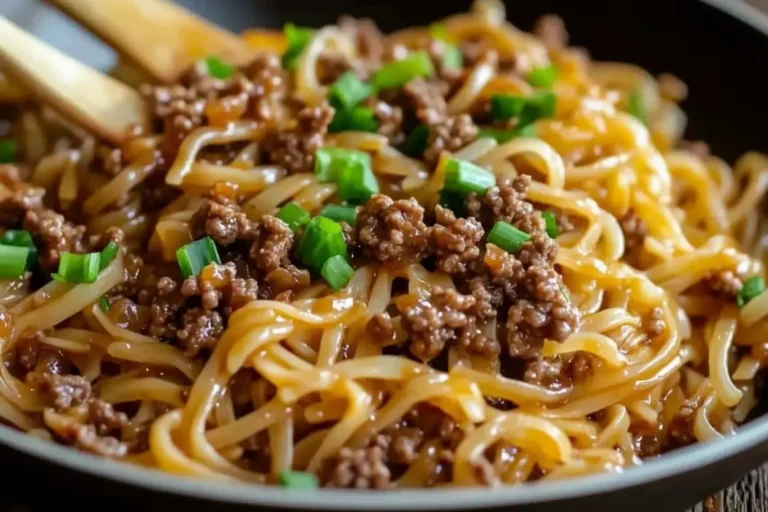
The moment you pop the skillet into the air, the aroma of garlic and ginger rises, mingling with the sweet clamour of brown sugar and the briny umami of soy. As the linguine meets the bubbling sauce, the noodles take on a glossy sheen, each strand coated in that savory glaze. The final flourish of green onion adds a pop of color and a gentle crunch, turning a simple bowl into a noodle symphony.
I’ve tweaked this classic Mongolian recipe with a secret cornstarch slurry that thickens the sauce in minutes, sparing you the wait and the paste. This fast‑track method keeps the flavors bright and prevents the sauce from settling into the noodles. A common pitfall is adding the cornstarch too early; it will lump. Remember to whisk it into cold water first, then stir into the hot skillet to keep that silky finish.
Why This Mongolian Ground Beef Noodles Recipe Is the Best
The secret lies in the balance of sweetness and salt, a testament to my Moroccan spice rack and French technique. I combine house‑made hoisin‑based reductions with a splash of world‑class soy, turning a humble skillet into a gold‑rush of flavor.
Fluids are dove‑lit in the pan, ensuring the linguine absorbs the sauce without becoming soggy. That instant sauce‑thicken step keeps the noodles al dente, while the umami vibes from beef and soy bring a depth you’d find in a Parisian bistro.
Because the recipe is assembled in a single pan after boiling the pasta, it sticks to the “one‑night‑stand” rule. You get a full meal with minimal cleanup – perfect for a hectic city life.
Mongolian Ground Beef Noodles Ingredients
You’ll find these staples in any New York grocery – from the organic farm stand in the West Village to the spice aisle at Whole Foods. I remember my first supermarket walk in NYC, picking cumin next to my beloved Moroccan harissa, and that’s the exact aromatic backdrop I’m trying to bring into this dish.
Ingredients List
- 1 lb ground beef
- 5 cloves garlic, minced
- 1/3 cup brown sugar
- 1/4 cup beef broth
- 1/3 cup soy sauce
- 3 tablespoons hoisin sauce
- 1/2 teaspoon ground ginger
- 1/2 teaspoon ground black pepper
- Pinch of red pepper flakes (optional)
- 10 oz linguine
- 1 tablespoon cornstarch
- 2 tablespoons water
- 4 green onions, sliced for garnish
Ingredient Spotlight
Ground beef – choose 80/20 lean for juicy texture; a higher fat ratio can make the sauce soggy.
Brown sugar – provides a caramelized sweetness; you can swap with maple syrup for a subtle maple note.
Hoisin sauce – this Chinese condiment is key for depth; if you’re in a panic, raspberry or plum syrup works but you’ll lose the peppery kick.
| Original Ingredient | Best Substitution | Flavor / Texture Impact |
|---|---|---|
| Ground Beef | Ground Turkey | Lighter flavor, less fat, slightly dryer if overcooked. |
| Hoisin Sauce | Raspberry or Plum Syrup | Sweetness retained, but subtle fruit undertone. |
How to Make Mongolian Ground Beef Noodles — Step-by-Step
Let’s get cooking – the secret sauce step will keep the noodles al dente while coating them beautifully.
Step 1: Cook Linguine
Bring a large pot of salted water to a rolling boil. Add linguine, cook 8‑9 minutes until al dente. Drain, rinse with cold water to stop the cooking, and set aside.
💡 Pierre’s Pro Tip: Toss the drained noodles with a splash of olive oil to keep them from sticking.
Step 2: Brown Beef
Heat a large skillet over medium‑high heat. Add the ground beef, breaking it apart. Cook until browned and crumbly, 5‑6 minutes. Drain excess fat.
⚠️ Common Mistake to Avoid: Leaving the beef on low heat causes it to steam and lose flavor.
Step 3: Add Garlic & Sauce
Stir in minced garlic, cook 30 seconds. Then add brown sugar, beef broth, soy sauce, hoisin sauce, ginger, black pepper, and red pepper flakes. Stir until sugar dissolves.
💡 Pierre’s Pro Tip: Toss the aromatics in a pinch of freshly ground pepper for a little extra brightness.
Step 4: Add Sauce & Thicken
Whisk cornstarch with water to make a slurry. Pour into skillet, stirring constantly. Cook 2‑3 minutes until the sauce thickens to a glossy glaze.
⚠️ Common Mistake to Avoid: Adding the slurry before boiling can cause clumping.
Step 5: Toss Noodles
Add cooked linguine to the sauce, tossing until each strand is gleaming and coated. Heat for an additional minute.
💡 Pierre’s Pro Tip: Use a pair of tongs to flip the noodles for an even glaze.
Step 6: Garnish
Spoon onto plates, sprinkle sliced green onions, and serve hot.
⚠️ Common Mistake to Avoid: Serving immediately cold will defeat the noodle’s al dente bite.
| Step | Action | Duration | Key Visual Cue |
|---|---|---|---|
| 1 | Boil Linguine | 8‑9 min | Al dente bite, not mushy |
| 2 | Browning Beef | 5‑6 min | Golden brown crust |
| 3 | Garlic & sauce simmer | 2 min | Fragrant steam rises |
| 4 | Thicken sauce | 3 min | Glossy sheen forms |
| 5 | Coat noodles | 1 min | All strands glisten |
| 6 | Serve & garnish | Immediate | Bright green onions |
Serving & Presentation
Place the noodles into deep bowls so the sauce lingers on the rim. A drizzle of sesame oil adds subtle nuttiness reminiscent of a French drizzle of truffle oil. Top with slivered almonds for crunch, and a spoonful of pickled ginger for that zesty crunch that echoes my maternal askouk.
Pair the dish with a crisp rosé or a chilled sake for an earthy contrast. In the New York winter, a slice of crusty baguette brushed with garlic butter can nap the sauce and make for an indulgent meal.
| Pairing Type | Suggestions | Why It Works |
|---|---|---|
| Side Dish | Steamed bok choy; pickled cucumber salad; roasted carrot ribbons. | Crunch and brightness cut through sweetness. |
| Sauce / Dip | Gochujang mayo; chili‑sauce aioli; miso butter. | Adds depth and heat for adventurous palates. |
| Beverage | Dry Riesling; belgian wheat ale; sparkling water with lemon. | Acidic/refrigerated drink soaks up sugary sauce. |
| Garnish | Crushed pistachios; toasted sesame seeds; thin mint ribbons. | Provides contrast in texture and visual flair. |
Make-Ahead, Storage & Reheating
I love prepping my weeknight meals on Sunday. I keep the cooked linguine and sauce separately in airtight containers, then quickly stir together on the stovetop or microwave in 2‑minute bursts.
| Method | Container | Duration | Reheating Tip |
|---|---|---|---|
| Refrigerator | BPA‑free glass jar | 3 days | Stir in a splash of beef broth before heating. |
| Freezer | Food‑grade plastic | 2 months | Thaw overnight, then microwave on medium. |
| Make‑Ahead | Dish‑ready dish | 1 day | Wrap tightly, bake 10 min at 350°F. |
When reheating, I always add a small amount of water or broth to keep the noodles from drying out. A quick swirl in a cast‑iron pan brings the sauce back to a vivacious sheen.
Variations & Easy Swaps
| Variation | Key Change |
Hari Curry VariationInstead of the classic sweet‑savory sauce, I introduce coconut milk and a fragrant Thai red curry paste. The noodles soak up that silky aroma, and a sprinkle of fresh cilantro lifts the entire bowl into a tropical escape. Gluten‑Free / Dairy‑FreeSwap the linguine for grain‑free millet strands, and replace hoisin-stirred soy with a touch of tamari. Finish with a splash of unsweetened cashew milk – it keeps the sauce creamy without dairy while keeping sodium down. Summer Ricotta TwistA dollop of fresh ricotta before plating adds a velvety mouthfeel reminiscent of a French provencal sauce. The bright lemon zest within the ricotta cuts through the sweetness and gives a citrus lift that I discovered during a Sunday brunch at a Queens market. Can I use other meats instead of beef?I love the meat exchange! Ground pork or turkey are excellent alternatives. Pork offers more umami depth because of its higher fat content, while turkey keeps the dish lean. Just make sure to cook the new meat to the proper internal temperature to stay safe. How many calories per serving?Per serving, this bowl has about 520 calories, as noted in the nutrition table. That breaks down to 130 calories per quarter-serve section, aligning with the standard 500‑kcal meal range for a balanced dinner. Feel free to adjust portions or swap out high‑calorie sauces for lighter versions. Is there a vegetarian version?Yes! Replace the beef with crumbled tempeh or paneer to retain protein. You can also use lentils for an extra veggie boost. Sweet soy and hoisin keep the flavor profile intact, while adding a touch of grated carrot or bell pepper for color and crunch. How long does the dish keep in the refrigerator?Stored in an airtight container, the noodles and sauce stay fresh for up to 3 days. Make sure to stir with a little broth or water to re‑hydrate the noodles before reheating. The sauce will feel a bit thinner after refrigeration, which is normal. Can I make it ahead of time?Absolutely! The sauce and noodles keep separate down to day 2. Personal favorite: chill them overnight, then stir together for 30 seconds in a saucepan. Add an extra splash of beef broth to loosen the glaze, and you’re ready to serve. What is the best type of noodle to use?While linguine works beautifully, any flat noodle will do. I often use tagliatelle for a richer bite, and in a gluten‑free setting bulgur or quinoa pasta pairs nicely. The key is to choose a noodle that can absorb sauce and hold its shape without becoming mushy. Why does the sauce thicken after a while?The cornstarch slurry activates at a higher temperature. When the sauce cools slightly, starch molecules swell and lock in a thicker consistency. If you cook too gently, the thickening may be delayed; a short boil ensures a shimmering glaze. Can I reduce the sodium in this recipe?Definitely. Swap a portion of soy sauce for low‑sodium tamari, or add a splash of rice wine vinegar to cut saltiness. Don’t forget to taste as you go—sometimes a little fresh pepper or citrus can lift the flavor without relying on salt. Share Your Version!I’d love to hear how you twist my recipe—maybe a New York street‑food vibe or a Moroccan spice infusion. Drop a rating and comment below, and tell me whether you opted for the quick cornstarch trick or a slow‑simmer surprise. Feel free to post a photo on Instagram or Pinterest, and tag @spicemingle. Knowing how you enjoy the dish keeps my kitchen alive! — Pierre 🧡 📌
Love This Recipe? Save It to Pinterest!If you enjoyed this Mongolian Ground Beef Noodles recipe, don’t let it get lost in your browser tabs! 😄 Pin it now so you can find it again anytime — and explore hundreds more tried‑and‑tested recipes waiting for you on my Pinterest boards. 👉 Follow Pierre on Pinterest @exorecipe 📌 Pin this recipe · 🔁 Re-pin your favorites · 💬 Tag me when you make it — I love seeing your creations! Keep the flavors buzzing! Subscribe to my newsletter for weekly cooking hacks and seasonal ingredient guides, or join my private chef community on Patreon for deeper access to my secret techniques and monthly live Q&A sessions.  Mongolian Ground Beef NoodlesDescriptionThis Mongolian Ground Beef Noodles dish is a quick and flavorful meal combining savory ground beef, a rich and slightly sweet sauce, and tender linguine. It’s perfect for a weeknight dinner thats both satisfying and easy to make. Ingredients
Scale
Instructions
About Me Hey! I’m Pierre, the heart behind Meaty Delights. Cooking has always been my passion, and I love creating bold, flavorful recipes that make every meal truly memorable.
Recent Recipes |
|---|