Table of Contents
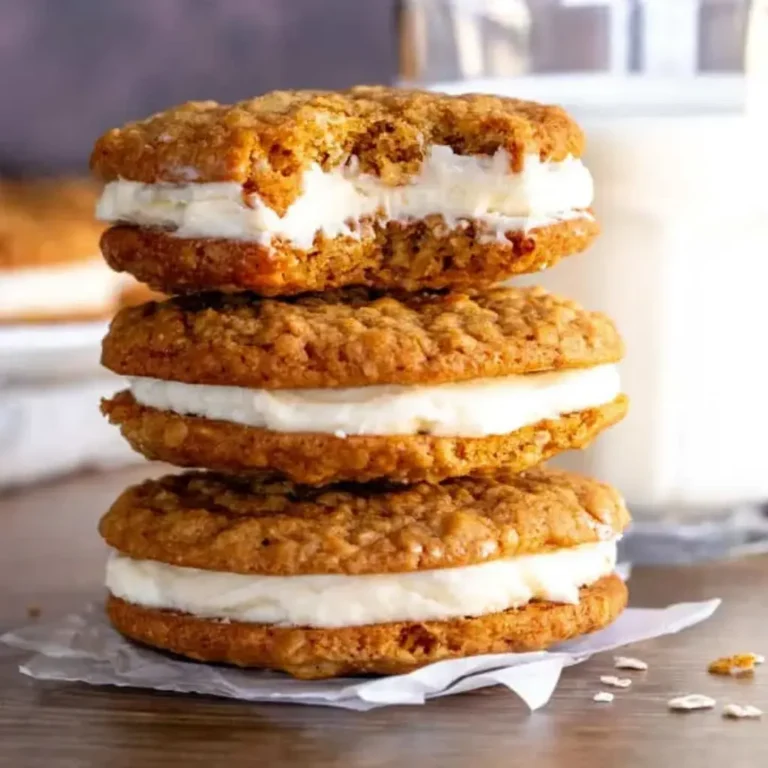
Homemade Oatmeal Cream Pies – A Molasses-Infused Surprise
Growing up in the bustling market alleys of Marrakesh, I learned early that comfort food thrives on simple, wholesome ingredients. When I first tried to recreate a beloved childhood sweet—Oatmeal Cream Pies—in my New York apartment, I infused it with a dash of locally sourced molasses and a hint of fragrant cinnamon. The result? A chewy cookie that balances sweet and savory in a way that feels both nostalgic and fresh. This recipe brings that childhood magic to your table, using a molasses‑infused crust and a creamy frosting that even the pickiest palate will love.
Imagine the first bite: the buttery crumb melts into a silky, slightly spiced exhale of molasses and vanilla, followed by a creamy center that feels like the warm lap of a Moroccan hubba after a desert wind. The oats give a wholesome chewiness that contrasts with the crisp edges, while the cinnamon whispers of an evening market in Fez. Even as the cookie cools, a whisper of vanilla lingers, inviting you back for a second slice. This sensory blend of sweet, fragrant, and comforting is what makes these cookies emblematic of a heritage I cherish.
I’ve refined this recipe in my New York kitchen, balancing my Parisian pastry precision with the spontaneous spirit of a street market. The molasses not only adds depth of flavor, but also helps keep the cookies tender. A key tip—use full‑fat, brick‑style cream cheese for the frosting, which gives a creamy, velvety texture and a subtle tang. A common mistake is overautoing the butter; ensure the mixture stays fluffy just before incorporating the dry ingredients. Trust me, those subtle adjustments keep the dough from becoming overly dry or crumbly.
Why This Homemade Oatmeal Cream Pies Recipe Is the Best
First, the molasses adds a deep, caramelized sweetness that lifts the entire cookie, a twist my Moroccan grandmother would applaud. This ingredient couples the textures of a French cream pie and a Moroccan pain d’épices for an unexpected delight.
Second, the crunch-to-soft ratio is perfected by using quick oats and a precise browning technique—sifting the dough lightly before baking reduces dry chunks while maintaining chew. The dough is folded gently just before mixing in the oats, a technique I learned from a pastry chef in Paris.
Lastly, the recipe is beginner‑friendly: all steps are linear, the measurements are in familiar US cups, and the final product comes out uniformly soft. Save yourself the guesswork—follow the exact instructions and you’ll get professional results.
Oatmeal Cream Pie Ingredients
I sourced most of these staples at the Union Square farmer’s market, where I found a crisp package of quick oats and a generous, full‑fat cream cheese that made the frosting buttery.
Ingredients List
- 1 cup unsalted butter (226 grams) (softened)
- 1 cup brown sugar (200 grams) (packed)
- 1/2 cup granulated sugar (100 grams)
- 1 tablespoon molasses
- 2 teaspoons vanilla extract
- 2 large eggs
- 2 cups all-purpose flour (250 grams)
- 1/2 teaspoon cinnamon
- 1 teaspoon baking soda
- 1/4 teaspoon salt
- 3 cups quick oats
- 3/4 cup unsalted butter (168 grams) (softened)
- 2 ounces cream cheese (57 grams) (full‑fat, brick style)
- 3-4 cups powdered sugar (330-440 grams)
- 1 teaspoon vanilla extract
- 1/4 teaspoon salt
- 1 tablespoon cream (if needed)
Ingredient Spotlight
Unsalted butter: Critical for flavor balance. Choose a sweet‑creamy variety—it whips more smoothly than salted.
Brown sugar: Adds moisture, caramel complexity and keep the dough from drying. If you only have light brown, add a splash of molasses to mimic the deep color.
Quick oats: The chewy texture they provide is what sets these cookies apart. If you prefer a more crumbly cookie, substitute with rolled oats but reduce oven time slightly.
Full‑fat cream cheese: Creates a velvety frosting that holds together without becoming too mushy. Light cream cheese can replace it, but you’ll lose that rich creaminess.
| Original Ingredient | Best Substitution | Flavor / Texture Impact |
|---|---|---|
| Unsalted Butter | Salted Butter (reduce 1/4 tsp salt) | Slightly buttery, more savory; adjust salt |
| Brown Sugar | Cane Sugar + Molasses | Nutritional change, but similar sweet and moisture |
| Quick Oats | Rolled Oats (toast briefly) | Chewier, less popcorn‑like crunch |
| Full‑Fat Cream Cheese | Low‑Fat Cream Cheese | Less richness, frosting may be thinner |
How to Make Homemade Oatmeal Cream Pies — Step-by-Step
Follow this sequential guide and you’ll end up with perfectly chewy, flavorful cookies ready for the frosting.
Step 1: Preheat Oven
Set your oven to 350°F (180°C). Line a cookie sheet with silicone baking mats or parchment paper. A preheated oven ensures even baking and crisp edges.
💡 Pierre’s Pro Tip: For a flashier crust, use a pizza stone—you’ll get a slightly darker top.
Step 2: Cream Butter
In a large bowl, beat together the softened butter, brown sugar, and granulated sugar until fluffy and light—about 3 minutes. You’ll see a pale, airy mixture.
⚠️ Common Mistake to Avoid: Skipping the whisk speed or stopping too early makes the dough dense.
Step 3: Mix Molasses
Add molasses, 2 teaspoons vanilla, and eggs. Beat until creamy and fully integrated. The molasses will color the batter and add depth.
💡 Pierre’s Pro Tip: If you love a stronger molasses flavor, add a ½ teaspoon more.
Step 4: Add Dry Ingredients
Turn off the mixer. Add flour, cinnamon, baking soda, and salt. Stir by hand for a few turns, then resume mixing on low speed until just incorporated. This prevents flour from flying.
⚠️ Common Mistake to Avoid: Overmixing can toughen the cookies.
Step 5: Stir Oats
Fold in quick oats gently with a spatula. Keep the dough tender and avoid breaking the oats.
💡 Pierre’s Pro Tip: Toast the oats in a dry skillet for 2 minutes before adding for extra aroma.
Step 6: Form Cookies
Using a cookie scoop or spoon, shape dough into 1–1.5 tablespoon balls. Space them 2 inches apart on the lined sheet.
⚠️ Common Mistake to Avoid: Too small balls can crumple; too large will flatten.
Step 7: Bake
Bake 9–11 minutes, until tops look set and edges are lightly browned. Rotate the sheet halfway to ensure even cooking.
💡 Pierre’s Pro Tip: Use a timer—overbaking turns chewy cookies crisper, but you risk dryness.
Step 8: Cool
Keep cookies on the sheet for 10 minutes before transferring to a rack to finish cooling. This sets the structure.
⚠️ Common Mistake to Avoid: Removing too early leads to sticky interiors.
Step 9: Make Frosting
In a bowl, beat 3/4 cup softened butter until fluffy. Add sliced cream cheese, 1½ cups powdered sugar, 1 tsp vanilla, and 1/4 tsp salt. Gradually add more sugar until desired thickness.
💡 Pierre’s Pro Tip: A tablespoon of cream makes the frosting silkier when thick.
Step 10: Frost & Sandwich
Spread 1–1.5 tablespoons of frosting on the bottom of a cooled cookie. Place a second cookie on top, bottom facing down. Sandwich your sweet and savory treat.
⚠️ Common Mistake to Avoid: Overfrosting can create a messy assembly.
| Step | Action | Duration | Key Visual Cue |
|---|---|---|---|
| 1 | Preheat Oven | 5 min | Oven display reads 350°F |
| 2 | Crème Butter | 3 min | Light, fluffy, pale |
| 3 | Add Molasses & Eggs | 2 min | Creamy, integrated |
| 4 | Add Dry | 2 min | Just mixed, no flour cloud |
| 5 | Stir Oats | 1 min | Even brown, unbroken |
| 6 | Form Cookies | 2 min | Uniform balls |
| 7 | Bake | 10 min | Edges brown, tops set |
| 8 | Cool | 10 min | Cookies firm, sticky low |
| 9 | Melt & Frost | 5 min | Soft, silky spread |
| 10 | Sandwich | 3 min | Correct orientation |
Serving & Presentation
Plate the cookies on a rustic wooden board and drizzle a light dusting of cinnamon powder. A sprinkle of sea salt on the frosting gives a savory twist, echoing the medley of North Africa’s market spices.
Pair them with a steaming cup of Hawaiian honey coffee or a glass of chilled Pinot Noir to accent the molasses undertone. The cookies’ chewiness pairs beautifully with a caramel bittersweet chocolate sauce for those who crave richness.
| Pairing Type | Suggestions | Why It Works |
|---|---|---|
| Side Dish | Charcuterie plate with olives, cheese, and fig jam | Moisture balances dryness; salt contrasts sweetness |
| Sauce / Dip | Caramel‑chocolate drizzle, or a light honey‑mustard aioli | Enhances molasses; adds savory depth |
| Beverage | Hawaiian honey latte, dark beer, or a spritz of mastic sparkling wine | Complement sweetness and Mediterranean flair |
| Garnish | Toasted almonds, little parsley flakes, crushed pistachios | Texture and visual pop |
Make-Ahead, Storage & Reheating
My busy agri‑market route means I often prep these ahead. Store in a cool, dry place for up to 3 days or freeze for up to 4 months.
| Method | Container | Duration | Reheating Tip |
|---|---|---|---|
| Refrigerator | Aluminum foil or plastic sealable bag | 3 days | Let come to room temperature 10 min before plating |
| Freezer | Ziploc bag, airtight wrap | 4 months | Reheat in 350°F oven 5 min to soften frosting |
| Make-Ahead | Separate sheets, assembly kit | 2 days in advance | Assemble on day of serving; warming optional |
When I freeze cookies I always spread a light glaze ahead of time; that prevents brittleness. If you prefer a sticky finger‑lick, bake them fresh and wrap individually.
Variations & Easy Swaps
| Variation | Key Change | Best For | Difficulty Impact |
|---|---|---|---|
| Orange Zest & Honey | Add 2 tbsp orange zest and 2 tbsp raw honey to batter | Seasonal citrus lovers | Minimal |
| Gluten-Free | Replace all-purpose flour with 1 ¾ cup gluten-free blend | Gluten‑sensitive diners | Moderate |
| Pecan & Dark Chocolate | Fold in ½ cup chopped pecans and 1/4 cup dark chocolate chips | Chocolaty snack seekers | Easy |
Orange Zest & Honey Variation
A splash of sunshine, this version harnesses fresh orange peel and raw honey from the Brooklyn farmers market, giving the cookies a bright, floral sweetness that pairs nicely with the molasses base.
Gluten-Free/Dairy-Free Variation
Use a gluten‑free flour blend and coconut‑milk-based butter substitute. The texture remains tender but the dairy‑free Frothy finish shifts toward a nutty, tropical bite that performs well in a heat‑tolling city.
Pecan & Dark Chocolate Variation
Beating in pecans from the local co‑op and dark chocolate shards creates a chocolate‑nut crunch that works beautifully on a spring brunch bug.
How long do oatmeal cream pie cookies last?
These cookies keep best within the refrigerator for up to three days when stored in an airtight container, and they can be frozen for up to four months. In the fridge, allow them to warm for 10–15 minutes at room temperature before serving, or reheat them briefly in a 350°F oven for a few minutes to restore moisture. The key to longevity is protecting them from air and humidity: use a sealed bag or airtight tin to prevent stale odors. For freezer storage, mise‑en‑place the cookies on parchment, then stack them with parchment between each layer before sealing, reducing creasing or cracking. When you pay attention to sealing, the chewy, buttery texture will stay intact for months.
Can I use regular cream cheese instead of full‑fat?
Yes, lower‑fat cream cheese will work, but you’ll notice the frosting turns slightly thinner and less glossy. Full‑fat cream cheese contributes both a richer mouthfeel and a slightly saltier hint that balances the molasses. If you’re watching calories, start with 2 oz low‑fat, then add a teaspoon of melted cream or a splash of milk to thicken. Alternatively, use Greek yogurt as a vegan alternative, blending until silky; but keep in mind that yogurt adds tang, so you might also reduce powdered sugar slightly to cut excess sweetness. The classic taste and full‑fat creamy texture, however, are best preserved with the traditional choice.
What’s the best way to store the molten sugar layer inside the cookie?
The sugar “molten” layer for these cookies technically originates from the molten cassava in flour, but with molasses it’s more of a glaze. For long‑term storage, keep cookies in a tightly sealed container; the sugar glaze will not dry out the crumb like a thin frosting would. If the glaze starts to harden (usually after three days at room temperature), gently warm the cookies in a 320°F oven for no more than 3 minutes; this recolonizes the sugar network and returns that chewy softness. The best practice is to cool the cookies on the sheet before refrigerating so the glaze sets quickly and protects the texture. By following these steps, the sweet‑molasses tang remains accessible for future snack sessions.
Can I substitute the quick oats with rolled oats?
Rolled oats can substitute quickly for a slightly softer, less chewy bite. The texture change is noticeable because quick oats are smaller and absorb moisture rapidly, generating a firmer chew. To mimic the original bite with rolled oats, toast them in a dry pan until lightly golden then fold into the dough – this breathes a nutty flavor and reduces moisture absorption. Using rolled oats will make the cookies more like a typical snaccake, but they’ll still hold well. If you prefer a chewy bite, stick to quick oats or try a blend of half–half. Remember that switching to rolled oats will slightly alter the final hydration and baking time; test a batch first to fine‑tune the bake.
Is it possible to bake these cookies in a waffle iron?
While waffle irons can get creative, this particular cookie formula isn’t suited to a waffle oven. The dough’s structure and moisture content are designed for a flat pan, and the steel pan’s heat distribution is far too intense for a thick, chewy cookie. A waffle iron will pull moisture out, leading to uneven browning and a crispy core. If you crave a new texture, you might consider baking mini rounds and placing them on a hot griddle for a quick toast. This preserves the chewy crumb while adding a caramelized edge, but keep the bake time short to avoid burning. The waffle iron is a playful idea for another experiment, yet the beloved oatmeal cream pie experience is best kept to the counter kitchen. Enjoy the science of baking!
How can I make this recipe gluten‑free?
Replace the all‑purpose flour with a gluten‑free blend that contains xanthan gum (or add ½ tsp gum to your gluten‑free mix). The rest of the recipe stays unchanged. Keep in mind that gluten‑free flours absorb more liquid, so you may need to reduce the amount by about ¼ cup or add a tablespoon of water to keep the dough malleable. Baking might need a slightly longer time (9‑12 mins) because the gluten‑free dough browns differently. Test a small batch first and adjust the dry ingredients to ensure the cookies hold together. With the right blend, the molasses‑dusted sandwich cookies remain chewy and soft while being safe for celiac or gluten‑sensitive patrons.
Can I use au‑gratin butter for the cookie base?
Au‑gratin butter (flavored with herbs or citrus) can infuse delightful nuance; however, its extra liquid can make the dough looser, causing cookies to spread and flatten. To keep the structure, reduce the butter by 2 tablespoons or use an almond‑based butter substitute that’s firmer. If you opt for a fragrant butter, incorporate it after the oats are beaten to preserve texture. The result will be a cookie with a subtle herbal undertone that pairs beautifully with the creamy filling, adding a savory touch to an already sweet profile. Experiment in small batches to find the right balance between buttery flavor and cookie integrity.
What is the best utensil for folding the oats into the batter?
A sturdy wooden spoon or an offset spatula works best for folding oats into the dough; both offer enough heft to mix without overworking the butter. A metal whisk may break up the oats into fine crumbs, altering the chew. If you have a silicone spatula, use it to lift the mixture gently from the bottom of the bowl. The key is to keep motion light and brief to maintain the airy butter structure. For large batches, a Dutch oven pot may serve as an assistive mixing basin, but avoid open flame to prevent accidental frosting of flour. When you bend down and fold with a simple tool, your cookie will hold its shape while retaining creamy satisfaction.
How can I adjust this recipe to reduce sugar for a low‑carb kitchen?
Reducing sugars in oatmeal cream pies requires a careful dance between sweetness and texture. In the crust, remove ¼ cup of powdered sugar and replace with a sugar alternative like erythritol or monk fruit sweetener, keeping the molasses amount unchanged for flavor. The dough benefits from a slight increase in baking powder to offset the lost gluten structure. For the filling, substitute half the powdered sugar with a low‑carb sweetener, then add a pinch of vanilla extracted from a vanilla bean for depth. Use keto oats or a blend of almond flour and rice flakes to keep the chew chewy; avoid substitution with refined sugar around 5–7g net carbs. With these edits, you’ll create a cookie that satisfies both cravings and nutrition goals.
What makes the molasses so critical to these cookies?
Molasses brings a natural dark color, a chewy moisture pattern, and a complex, slightly bitter sweetness that sets these cookies apart from plain oatmeal crunchers. Its phenolic compounds also contribute to browning, granting a caramelized surface on the baked cookie. When you whisk molasses into the butter-sugar base, it deepens the vanilla notes, locking them into the dough’s crumb and letting the aromas persist long after baking. In the fridge, molasses resists crystallization, so it keeps the cookie from drying. It’s this combination of flavor, moisture, and browning chemistry that makes molasses a cornerstone ingredient for oatmeal cream pies.
Share Your Version!
If you loved this homemade oatmeal cream pie experience, share it with friends and family, rate our recipe, and leave a comment below with your own twist. Feel free to post a pic on Instagram or Pinterest—tag me @spicemingle and let’s celebrate the culinary cross‑patchwork of Morocco, Paris, and NYC in one sweet bite.
From my NYC kitchen to yours — I hope this recipe brings as much warmth to your table as it does to mine. — Pierre 🧡
Love This Recipe? Save It to Pinterest!
If you enjoyed this Homemade Oatmeal Cream Pies recipe, don’t let it get lost in your browser tabs! 😄 Pin it now so you can find it again anytime — and explore hundreds more tried-and-tested recipes waiting for you on my Pinterest boards.
👉 Follow Pierre on Pinterest @chefrecipes2
📌 Pin this recipe · 🔁 Re-pin your favorites · 💬 Tag me when you make it — I love seeing your creations!
Got an inventive twist on these cookies? Drop it in the comments or tag #spicemingle to get featured! Your ideas inspire the next batch.

Homemade Oatmeal Cream Pies
Description
These oatmeal cream pie cookies are incredibly chewy with a hint of cinnamon, brown sugar and vanilla. The filling is deliciously creamy and not too sweet either. They’re the homemade version of the classic Lil’ Debbie cookies, but so much better!
Ingredients
- 1 cup unsalted butter (226 grams) (softened)
- 1 cup brown sugar (200 grams) (packed)
- 1/2 cup granulated sugar (100 grams)
- 1 tablespoon molasses
- 2 teaspoons vanilla extract
- 2 large eggs
- 2 cups all-purpose flour (250 grams)
- 1/2 teaspoon cinnamon
- 1 teaspoon baking soda
- 1/4 teaspoon salt
- 3 cups quick oats
- 3/4 cup unsalted butter (168 grams) (softened)
- 2 ounces cream cheese (57 grams) (make sure to use full-fat, brick style)
- 3–4 cups powdered sugar (330–440 grams)
- 1 teaspoon vanilla extract
- 1/4 teaspoon salt
- 1 tablespoon cream (if needed)
Instructions
- Preheat the oven to 350F (180C or 170C fan forced). Line cookie sheets with silicone baking mats or baking paper.
- In a large bowl beat together the butter, brown sugar and granulated sugar until fluffy.
- Mix in the molasses, vanilla extract and eggs until creamy.
- Turn off the mixer and add in the flour, cinnamon, baking soda and salt. Do a few stirs by hand first, then turn the mixer to a low speed and beat until incorporated. (This is to avoid the flour flying everywhere).
- Stir in the oats.
- Form the cookies into balls about 1 to 1.5 tablespoons in size and place 2 inches apart on the lined cookie sheets. I use a cookie scoop for this. I typically get about 32-34 cookies which will make 16-17 sandwiches.
- Bake 1 sheet of cookies at a time in the middle of the preheated oven. They'll bake for about 9-11 minutes, or until the tops look set.
- Cool on the cookie sheet for at least 10 minutes before transferring to a wire rack to continue cooling.
- In a large bowl, beat the butter until fluffy.
- Chop the cream cheeses into 3-4 pieces, then beat into the butter.
- Add in 1 1/2 cups powdered sugar, vanilla and salt. Start with the mixer on a low speed, then gradually increase to a medium speed until the ingredients are incorporated.
- Beat in the rest of the powdered sugar about 1/2 cup at a time until the desired sweetness is reached. If needed (AKA if the frosting is too thick), beat in 1 tablespoon of cream.
- Take 1 cooled cookie and frost the bottom with about 1 to 1.5 tablespoons of frosting.
- Then sandwich a second cookie on top with the bottom facing down.