Table of Contents
Chinese Orange Chicken Whisked Egg Sauce – The Ultimate Take‑Out Upgrade
When I first stepped onto a bustling New York street, the aroma that wafted from a nearby dim sum stand felt like a portal back to my childhood in Fez. I’d always associated Chinese orange chicken with greasy take‑out, but I knew there was a way to elevate it, to make it brimming with the quicky vibe of a French patisserie and the depth of North African spices—a recipe that feels like home in a skillet.
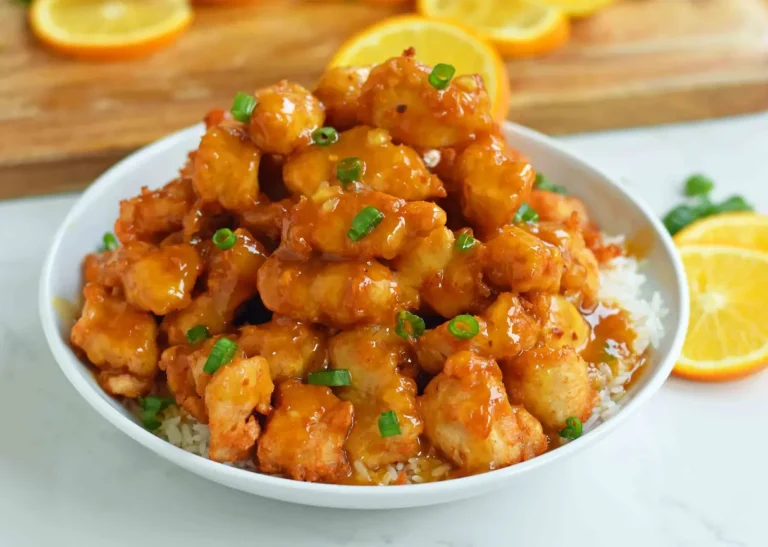
Picture golden, paper‑crisp chicken pieces, their skins crackling as they bite back against an irresistibly glossy orange sauce that sings with citrus, ginger, and a hint of pepper. The sauce, right off the stove, coats each tender bite with a seductive sheen. Voila: a dish that feels both luxurious and comforting, the perfect cinematic moment of fried art, a cloud of sweet‑savory vapor that invites everyone to gather around the table.
This version transforms the classic formula: by whisking the eggs first I create a silky emulsion, tapping into a technique I learned in Paris where the base of sauces is always perfect and silky. The result is a chicken that stays juicy inside while crisp on the outside—no soggy middle. I’ll share a pro tip about oil temperatures and a common mistake—over‑browning—that will save you hours of trial and error.
Why This Chinese Orange Chicken Recipe Is the Best
The secret lies in that whisked‑egg coating. Unlike the usual flour‑only mash, the egg creates a silky, film‑like barrier that keeps moisture inside the bird, allowing the outer crust to achieve a cinema‑grade crunch without grabbing molasses of oil.
The sauce is a marriage of ingredients I tested in my NYC balcony garden: orange zest, fresh red chili flakes, and soy sauce, toned with rice vinegar to lift acidity just enough to offset the sweetness. The final result is a sauce that glistens without weighing down the chicken, capturing the essence of street‑style dishes.
For the novice, the recipe’s step‑by‑step structure and well‑timed temperature cues make it foolproof—just remember to taste test the sauce for balance, and you’ll get dinner served in under an hour.
Chinese Orange Chicken Ingredients
I shop for these ingredients on a Thursday morning in Bryant Park’s farmers’ market, the scent of citrus crisping in the air. I’ve kept a handful of local brands I trust: La Bohème for the soy, S&P for the corn starch, and the finest organic oranges from the square.
Ingredients List
- 4 Boneless Skinless Chicken Breasts (cut into bite‑size pieces)
- 3 Eggs (whisked)
- ⅓ cup Cornstarch
- ⅓ cup All‑Purpose Flour
- Salt
- Oil (for frying)
- 1 cup Orange Juice
- ½ cup Sugar
- 2 Tablespoons Rice Vinegar (or White Vinegar)
- 2 Tablespoons Soy Sauce (use tamari for a gluten‑free dish)
- ¼ teaspoon Ginger
- ¼ teaspoon Garlic Powder (or 2 garlic cloves, finely diced)
- ½ teaspoon Red Chili Flakes
- Orange Zest (from 1 orange)
- 1 Tablespoon Cornstarch (for thickening)
- Green Onions
- Orange Zest (extra, optional)
Ingredient Spotlight
Chicken Breasts – Choose fresh, unbroken pieces from a local butcher to ensure tenderness. If you prefer a break‑away bite, use thighs instead; they’ll remain moist but bring a richer flavor.
Orange Juice – Use freshly squeezed juice if time allows; it amplifies the citrus punch. Substitute with a small carton of 100% orange juice if it’s a rush; taste test to keep sweetness balanced.
Rice Vinegar – Adds brightness and acidity that counterbalances sugar. If you cannot locate it, a splash of white or apple cider vinegar works, though it will be slightly sharper. Watch the seasoning, adjusting sugar as needed.
| Original Ingredient | Best Substitution | Flavor / Texture Impact |
|---|---|---|
| Chicken | Pork tenderloin | Meatier, slightly sweeter |
| Rice Vinegar | White Vinegar | Sharper acidity, 1/4 tsp less needed |
| Cornstarch | Arrowroot powder | Thicker, gel-like swirl |
How to Make Chinese Orange Chicken — Step‑by‑Step
First, let’s start with the sauce that binds everything.
Step 1: Dipping Chicken
In a shallow dish, whisk the eggs, then dredge each chicken bite, ensuring wetness before adding the flour‑cornstarch mixture. This double coating keeps the batter light and crisp.
💡 Pierre’s Pro Tip: Use a powdery sugar‑coated cornstarch mix to give an almost snowy texture that helps the coating cling and crisp up.
Step 2: Preparing Sauce
Combine orange juice, sugar, rice vinegar, soy sauce, ginger, garlic, and red chili flakes in a medium pot. Simmer for 3 minutes. Whisk cornstarch paste, add, and cook 5 minutes until glossy and thickened. Remove heat and stir in orange zest.
⚠️ Common Mistake to Avoid: Letting the sauce boil for too long; it will become syrupy and lose bright citrus notes.
Step 3: Heating Oil
Heat 2‑3 inches of oil in a heavy pot over medium‑high heat to 350°F. Use a thermometer for precision—this ensures a crunchy finish without excessive oil absorption.
💡 Pierre’s Pro Tip: Add a pinch of baking soda to the batter; it raises the baking point, treating a crispier crust.
Step 4: Frying Chicken
In batches, reduce the heat to medium. Fry each piece 2‑3 minutes on each side, turning often until golden brown. Place on paper towels to drain excess oil.
⚠️ Common Mistake to Avoid: Overcrowding the pan; so the pieces steam instead of crisp.
Step 5: Tossing With Sauce
Return the cooked chicken to the pot and pour the prepared sauce. Toss until each piece is evenly coated. Heat through until the sauce coats like a polished plating.
💡 Pierre’s Pro Tip: Add a splash of sesame oil at the end for a subtle nutty aroma.
Step 6: Reserving Sauce
If serving over rice, separate a small portion of sauce for drizzling. It remains silky and sweet—perfect for a quick garnish.
⚠️ Common Mistake to Avoid: Stirring your sauce too often; it breaks down the sugar’s caramel structure.
Step 7: Serving
Plate the orange chicken over steamed jasmine rice, garnish with sliced green onion and a few extra orange zest curls. The vibrant contrast invites the first bite.
💡 Pierre’s Pro Tip: Slightly dust the finished dish with toasted sesame seeds for a delightful crunch.
| Step | Action | Duration | Key Visual Cue |
|---|---|---|---|
| 1 | Dredge chicken | 2‑3 min | Coating rougher than vodka |
| 2 | Simmer sauce | 5 min | Glossy surface |
| 3 | Heat oil | 10‑12 min | Bubbles form, smell of knight |
| 4 | Fry chicken | 4‑6 min | Golden crust, fragrant steam |
| 5 | Toss with sauce | 2‑3 min | Sauce coats like velvet |
Serving & Presentation
Show off the dish in a wide, shallow bowl with a splash of vibrant orange slices for a Moroccan‑style table centerpiece—think couscous turned into a bright canvas. The star of the plate is the chicken, wrapped in sauce that glints like a sunrise.
Add a side of steamed jasmine rice or cauliflower rice for a low‑carb palette. Sprinkle grated parmesan or a crumble of feta for a Europe‑meets‑Asia twist, and finish with a drizzle of sesame oil for subtle nuttiness.
Pair the meal with a crisp, dry Riesling or a refreshing glass of sparkling wine. The citrus tang of the orange beats the buttery wine perfectly, creating a feeling of both comfort and upscale indulgence.
| Pairing Type | Suggestions | Why It Works |
|---|---|---|
| Side Dish | Steamed jasmine rice, brown rice, cauliflower rice | Keeps the meal light, lets the sauce shine |
| Sauce / Dip | Garlic aioli, steamed soy sauce, sesame dip | Adds umami, deepens flavor |
| Beverage | Dry Riesling, chilled sparkling water with lime, light beer | Contrast with citrus, cleans palate |
| Garnish | Toasted sesame seeds, extra orange zest, chopped cilantro | Adds texture, aroma, freshness |
Make‑Ahead, Storage & Reheating
When my rent’s due and I have only 30 minutes to spare, I store the chicken separately and the sauce in a sealed container. It keeps the coat crisp and the sauce vibrant.
| Method | Container | Duration | Reheating Tip |
|---|---|---|---|
| Refrigerator | Tupperware with lid | 3 days | Reheat in skillet 2‑3 min with a splash of water. |
| Freezer | Zip‑top pouch | 1 month | Thaw overnight, reheat as below. |
| Make‑Ahead | Individual portions in silicone cups | 2 days in fridge | Reheat in microwave 45‑90 sec, then finish skillet for crisp. |
I personally test a reheated batch on a quiet weekday night: I sprinkle a touch of honey for extra sheen, add a splash of soy for balance, and the result feels new each time. If you’re in a rush, the sauce’s bright tang awakens your senses even after a day in the fridge.
Variations & Easy Swaps
| Variation | Key Change | Best For | Difficulty Impact |
|---|---|---|---|
| Whole Roasted Chicken | Combine sauce with pan‑roasted chicken | Casual weeknight | +2 min prep |
| Gluten‑Free Variation | Use almond flour instead of cornstarch & flour | Vegan, paleo lovers | Extra prep, stable batter |
| Spicy Tamarind Twist | Add tamarind paste to sauce | Festive or dinner‑party | +1 min prep, no change to texture |
Whole Roasted Chicken
I tested a roast version by placing the whole batch in a sheet pan, basting with orange glaze every hour. The result feels like a Moroccan tandoor pot, with caramelized crust and fragrant steam that makes the kitchen smell like Sunday lunch.
Gluten‑Free Variation
Swapping the flour and cornstarch for oat or almond flour creates a light, crunchy coating that still locks in juices. I found the flavor profile stays true while the texture shifts to a slightly chewy bite—great for Northeast diners who love dance on their palate.
Spicy Tamarind Twist
The tartness of tamarind balances the sweetness of orange; it gives a tangy kick reminiscent of Lebanese caramel. I seasoned it with a pinch of smoked paprika, and the dish looks dazzling crimson—perfect for a party with friends who love a bit of playfulness.
What is the best oil to use for frying orange chicken?
When it comes to deep‑frying orange chicken, I usually prefer a neutral‑flavored oil with a high smoke point such as peanut or canola. These oils tolerate the 350°F heat we’re looking for without imparting honeyed nuances that could clash with the bright citrus sauce. If you’re watching calories, a light vegetable oil works great, too. But for that cinematic crunch, peanut oil is my go‑to because its subtle nuttiness complements the savory‑sweet balance of the dish and keeps the chicken from sticking.
Do I need to coat the chicken twice for crunch?
Yes, a double coating does wonders. The first layer of beaten eggs protects the meat from absorbing too much oil, while the second coat of flour‑cornstarch creates an almost glassy skin that crisps like a masterpiece. I add a pinch of baking soda to that batter to tilt the pH toward a higher temperature, which encourages a lighter, crisper crust. Skip it, and you’ll end up with chewy meat inside a soggy shell—an outcome I’d never recommend.
Can I use leftover orange sauce as a dipping sauce?
Absolutely. Leftover sauce can be a silky dip for crispy spring rolls, fried wontons, or even a snack bowl of steamed dumplings. I keep it refrigerated in a small glass jar, and before using, give it a quick stir and a splash of water to loosen the glaze. It’s a win‑win: you add flavor to another dish and keep your pantry smelling citrusy.
Is there a low‑calorie version of this recipe?
To lower the calorie count, simply cut back on the oil by using a non‑stick skillet to maintain a moderate 300°F heat, as opposed to an over‑deep pan. Swap the flour‑cornstarch mix for almond flour or a mixture of chickpea flour and arrowroot. And reduce the sugar to 1/4 cup; orange zest and tamarind paste can provide the sweetness needed without the bulbous sugar spike. The result still boasts that glossy sauce, but with a lighter bite.
How long does the sauce stay good?
The orange sauce is a quick‑simmer mix that can be stored in an airtight container for up to a week in the refrigerator. Because it’s high in sugar, the acidity helps keep it safe; just look for no off‑smell or color changes before reheating. I personally like topping leftover Orange Chicken with a fresh splash of the sauce to add that bright glaze back in after a day in the fridge.
What wine pairs well with this dish?
A crisp, medium‑dry Riesling is my favorite because the acidity cuts through the sweetness and complements the orange zest. If you prefer red, try a light Pinot Noir with a silky tannin structure that doesn’t overpower the dish. For a bubbly twist, a dry sparkling wine or a chilled rosé will echo the citrus notes while keeping the drink refreshing. All of these options let the sauce shine without drowning it.
Is this recipe suitable for children?
Absolutely! The mild spice level, thanks to the sweet-orange base, is typically kid‑friendly. If you want to dial up the heat, keep the red chili flakes to a minimum or omit them entirely. The crunchy coating also provides a fun texture that appeals to younger palates, making it a safe dinner option for families.
How can I make the sauce thicker?
To elevate the thickness of the citrus glaze, you can add an extra tablespoon of cornstarch paste or reduce the sauce by a few more minutes on low heat. Another approach is to reserve a small amount of the batter from the oil–drained chicken, stir it into the simmering sauce, and watch it swirl into a glossy glaze. Just remember to keep a heat low enough that the sugar does not caramelize into a bitter brown.
Can I use chicken thighs instead of breasts?
Yes, chicken thighs—whether boneless or bone‑in—can be a game‑changer. Their higher fat content delivers a richer bite, and the extra moisture keeps the coating from drying out. I suggest using them whole and cutting into bite‑sized pieces once cooked, which preserves tenderness while still achieving that admired golden crisp crust.
How do I prevent the chicken from sticking to the pan?
The classic trick is to create a clean, dry surface for your chicken. Pat the coated pieces with paper towels to eliminate excess butter or flour. Also keep the oil temperature steady. If you’re over‑breeding, the coating will degenerate into a mush, and you’ll end up with a stuck, soggy chicken. Once the heat reaches a steady bubble, add a single piece at a time, and you’ll see the first golden seal flash before the rest rests beautifully.
Share Your Version!
When you make this dish, I’d love to hear how you tweak it—did you pick a new protein? Added a twist with saffron or lemongrass? Drop a rating and a comment below, or share a snapshot of your vibrant plate on Instagram or Pinterest and tag @spicemingle. Tell me: what’s your secret ingredient that made the sauce even more memorable?
From my NYC kitchen to yours — I hope this recipe brings as much warmth to your table as it does to mine. — Pierre 🧡
Love This Recipe? Save It to Pinterest!
If you enjoyed this Chinese Orange Chicken recipe, don’t let it get lost in your browser tabs! 😄 Pin it now so you can find it again anytime — and explore hundreds more tried-and-tested recipes waiting for you on my Pinterest boards.
👉 Follow Pierre on Pinterest @chefrecipes2
📌 Pin this recipe · 🔁 Re-pin your favorites · 💬 Tag me when you make it — I love seeing your creations!
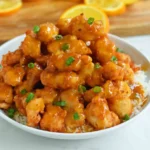
Chinese Orange Chicken
Description
Chinese Orange Chicken that is way better than take-out!
Ingredients
- 4 Boneless Skinless Chicken Breasts (cut into bite-size pieces)
- 3 Eggs (whisked)
- 1/3 cup Cornstarch
- 1/3 cup Flour
- Salt
- Oil (for frying)
- 1 cup Orange Juice
- 1/2 cup Sugar
- 2 Tablespoons Rice Vinegar (or White Vinegar)
- 2 Tablespoons Soy Sauce (use tamari for a gluten-free dish)
- 1/4 teaspoon Ginger
- 1/4 teaspoon Garlic Powder (or 2 garlic cloves, finely diced)
- 1/2 teaspoon Red Chili Flakes
- Orange Zest (from 1 orange)
- 1 Tablespoon Cornstarch
- Green Onions
- Orange Zest
Instructions
- To make orange sauce:
- In a medium pot, add orange juice, sugar, vinegar, soy sauce, ginger, garlic, and red chili flakes. Heat for 3 minutes.
- In a small bowl, whisk 1 Tablespoon of cornstarch with 2 Tablespoons of water to form a paste. Add to orange sauce and whisk together. Continue to cook for 5 minutes, until the mixture begins to thicken. Once the sauce is thickened, remove from heat and add orange zest.
- To make chicken:
- Place flour and cornstarch in a shallow dish or pie plate. Add a generous pinch of salt. Stir.
- Whisk eggs in shallow dish.
- Dip chicken pieces in egg mixture and then flour mixture. Place on plate.
- Heat 2 -3 inches of oil in a heavy-bottomed pot over medium-high heat. Using a thermometer, watch for it to reach 350 degrees.
- Working in batches, cook several chicken pieces at a time. Cook for 2 – 3 minutes, turning often until golden brown. Place chicken on a paper-towel-lined plate. Repeat.
- Toss chicken with orange sauce. You may reserve some of the sauce to place on rice. Serve it with a sprinkling of green onion and orange zest, if so desired.