Table of Contents
Beef Stir Fry with Vegetables (30‑Minute) Quick 30‑Minute Stir‑Fry with a Moroccan Twist – A Quick, Flavorful Night‑In Delight
Growing up in a Moroccan kitchen, I was always surrounded by the aromas of cumin, coriander, and fresh herbs. When I moved to New York City, I carried those flavors with me, experimenting with French techniques and the vibrant produce at local farmers markets. Today I’m thrilled to blend those influences into a quick 30‑minute stir‑fry that honors my heritage while satisfying the fast‑pace NYC life.
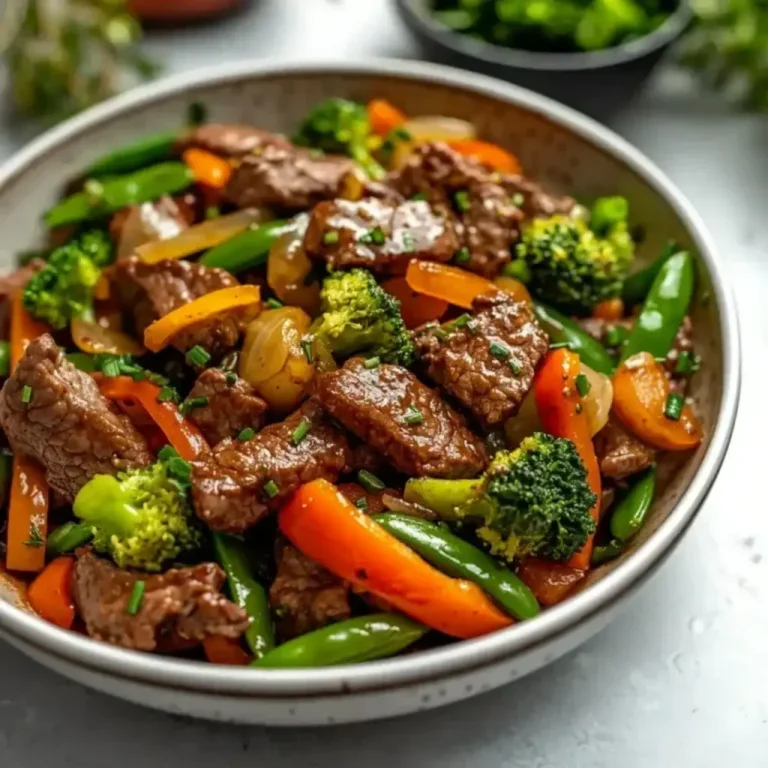
Picture a skillet sizzling with a shimmering coat of garlic, ginger, and honey, while tender teardrop‑sized beef slices crunch with a caramelized crust. The vegetables—bright bell pepper, crisp broccoli, and sweet snap peas—add depth and color, creating a medley that sings with caramelized glazes and subtle oil sheen. The final dish is a harmony of savory, sweet, and herbal notes that invite you to gather around a table that feels both intimate and indulgent.
This recipe is my signature take on the classic stir‑fry, achieving the perfect balance between speed and depth. I’ve incorporated a Moroccan‑inspired spice blend that elevates the sauce, and I strip the cooking steps into clean, easy phases that anyone can follow. A pro tip to keep the beef tender—slice against the grain—and a common mistake to avoid—overcrowding the pan—ensure this dish stays crisp and succulent.
Why This Quick 30‑Minute Beef Stir Fry with Vegetables Recipe Is the Best
The flavor secret lies in the mango‑honey glaze that I whisk into the sauce, echoing Moroccan sweet–salty palates while providing a glaze that caramelizes beautifully. A quick glance at the sauce reveals sesame oil that adds nutty aroma, while the soy and hoisin bring umami, all balanced with a pinch of heat from fresh ginger.
I perfected the texture by searing the beef in one single layer before adding vegetables, a technique taught in my culinary school in Paris. This step creates a crisp outside while keeping the inside juicy. The vegetables are cooked until just tender—this ensures a vibrant crunch that pairs with the sauce’s silky glaze.
The recipe is foolproof and fast: no marinating takes longer than 10 minutes, and each pan step takes under 5 minutes. Even novice cooks in a bustling New York apartment can follow these simple instructions and achieve a restaurant‑quality dish.
Beef Stir Fry with Vegetables Ingredients
I typically shop for these items at the Union Square Farmers Market and at Trader Joe’s. The beef is best in fresh flank steak or sirloin, while the vegetables come from a local grocery that markets the seasons. It’s always a joy to pull the same colorful plates from a vendor in Queens, giving the dish a truly local New York feel.
Ingredients List
- 1 lb (450g) beef (flank steak, sirloin, or ribeye), thinly sliced
- 2 tablespoons soy sauce
- 1 tablespoon hoisin sauce
- 1 tablespoon sesame oil
- 1 tablespoon honey
- 2 garlic cloves, minced
- 1 teaspoon fresh ginger, grated
- 2 tablespoons vegetable oil (for stir-frying)
- 1 bell pepper, thinly sliced
- 1 cup broccoli florets
- 1 carrot, julienned
- ½ cup snap peas, ends trimmed
- 2 green onions, chopped (for garnish)
- 1 tablespoon sesame seeds (optional, for garnish)
- Steamed rice (optional, for serving)
Ingredient Spotlight
Beef: The heart of the dish. Choose cut with moderate marbling for a sweet, tender bite. If you prefer lean, trim visible fat; a quick sear ensures juicy chew.
Broccoli: This cruciferous veggie keeps its crunch when cooked over high heat. Snap peas add a pop of color and a gentle sweetness. Gently boiling can soften them; keep them crisp by quick stir‑frying.
Sesame Oil: With its distinct aroma, it masks the stronger soy notes, adding nutty richness. A dash of toasted almond oil can substitute; however, it alters the signature scent slightly.
| Original Ingredient | Best Substitution | Flavor / Texture Impact |
|---|---|---|
| Beef | Chicken breast | Faster cooking, leaner texture |
| Vegetable Oil | Peanut oil | Higher smoke point, subtle nutty flavor |
| Sesame Oil | Almond oil | Slightly sweeter, less aromatic |
How to Make Beef Stir Fry with Vegetables — Step-by-Step
Let’s dive into a quick, step‑by‑step journey that keeps everything organized and star‑rated.
Step 1: Prepare the Beef
Thinly slice a 1‑lb steak against the grain into ¼‑inch strips. Pat the meat dry; this helps the sear. If you want extra tenderness, marinate with 2 tbsp soy sauce, 1 tbsp honey, 2 minced garlic cloves, and 1 tsp grated ginger for 15 minutes.
💡 Pierre’s Pro Tip: For ultra‑tender slices, add a teaspoon of cornstarch to the marination for a silky finish.
Step 2: Whisk the Sauce
In a small bowl, whisk together 2 tbsp soy, 1 tbsp hoisin, 1 tbsp sesame oil, 1 tbsp honey, 2 minced garlic cloves, and 1 tsp grated ginger. Taste; if too salty, reduce soy slightly.
⚠️ Common Mistake to Avoid: Over‑brisk the sauce—keep it smooth, don’t swirl too long.
Step 3: Sear the Beef
Heat 1 tbsp vegetable oil in a wok or large skillet over medium‑high. Add beef in a single layer, searing 2‑3 minutes per side without stirring to form a crust. Remove and set aside.
💡 Pierre’s Pro Tip: Use a high‑smoke‑point oil like peanut or canola to avoid burning.
Step 4: Cook Vegetables
Add the remaining 1 tbsp oil, then toss in carrots, bell pepper, and broccoli. Stir‑fry 3‑5 minutes until they just start to soften, maintaining a bright color.
⚠️ Common Mistake to Avoid: Overcooking the veggies—keep them crisp for texture.
Step 5: Add Snap Peas
Add snap peas, and continue stir‑frying another 2‑3 minutes until they’re tender but retain their snap.
💡 Pierre’s Pro Tip: Pulse snap peas in a jar, then add fresh for extra crunch.
Step 6: Return Beef & Sauce
Return beef to the pan, pour the pre‑made sauce, and toss everything together. Let cook 1‑2 minutes until sauce thickens slightly and coats each component.
⚠️ Common Mistake to Avoid: Stirring too vigorously can stir up steam; gentle tossing preserves the glaze.
Step 7: Finish & Garnish
Remove from heat, sprinkle chopped green onions and optional sesame seeds. Serve immediately over steamed rice or at room temp for a light dinner.
💡 Pierre’s Pro Tip: For extra aroma, give a quick squeeze of fresh lemon before serving.
| Step | Action | Duration | Key Visual Cue |
|---|---|---|---|
| 1 | Prepare Beef | 15 min | Golden crust |
| 2 | Whisk Sauce | 3 min | Smooth glaze |
| 3 | Sear Beef | 3‑4 min | Crust milestone |
| 4 | Cook Veg | 3‑5 min | Color pop |
| 5 | Add Snap Peas | 2‑3 min | Snap visible |
| 6 | Return Beef & Sauce | 1‑2 min | Glaze thickens |
| 7 | Finish & Garnish | 1 min | Final aroma |
Serving & Presentation of Beef Stir Fry with Vegetables
Serve this vibrant stir‑fry on a rustic ceramic plate, letting the colors of broccoli, bell pepper, and snap peas pop against the amber glaze. A dusting of toasted sesame seeds and a sprinkle of green onion add freshness, mimicking the bright streets of a Moroccan souk.
In New York, a simple side of quinoa or cauliflower rice complements the dish, adding a lightly nutty texture and keeping calories in check. Pair the meal with a chilled glass of rosé or a crisp cider from the Valley for a refreshing contrast.
| Pairing Type | Suggestions | Why It Works |
|---|---|---|
| Side Dish | Quinoa, cauliflower rice | Light, complements sauce |
| Sauce / Dip | Sweet chili, harissa | Adds heat & freshness |
| Beverage | Rosé, citrus‑infused simple syrup drink | Balancing acidity |
| Garnish | Fresh mint, crushed nuts | Texture & aroma |
Make‑Ahead, Storage & Reheating
I often pre‑cook my stir‑fry the night before, letting it chill in the fridge. This allows the sauce to meld with the beef and vegetables, enhancing flavors the next day.
| Method | Container | Duration | Reheating Tip |
|---|---|---|---|
| Refrigerator | Sealable plastic container | Up to 3 days | Microwave 2‑3 min, stir halfway |
| Freezer | Vacuum‑sealed bag | Up to 2 months | Thaw overnight, re‑heat over high heat for 2‑3 min |
| Make‑Ahead | Ready‑to‑serve dish | Up to 7 days in fridge | Re‑heat gently, add fresh greens to restore crunch |
During the week, I pair this with a quick sauté of diced potatoes and mushrooms to keep dinner varied. I prefer to keep the sauce light, adding just a splash of broth if I reheated the dish to avoid it getting too thick.
Variations & Easy Swaps
| Variation | Key Change | Best For | Difficulty Impact |
|---|---|---|---|
| Chicken Swap | Replace beef with sliced chicken breast | Fast protein | Same |
| Gluten‑Free | Use tamari instead of soy | Allergy friendly | Same |
| Seasonal Twist | Add roasted sweet potatoes | In-season produce | Minimal extra time |
Chicken Swap
Replacing beef with chicken breast gives a lighter milder flavor. The cooking time shortens by a minute; the sauce still clings well, presenting a comfortable, lean dish suitable for a health‑focused night.
Gluten‑Free
Switching soy sauce for tamari eliminates wheat, making this stir‑fry safe for gluten‑sensitive diners. The taste remains similar but with a slightly deeper umami, as tamari is more concentrated.
Seasonal Twist
Adding roasted sweet potatoes in late fall amplifies sweet undertones and creates a hearty, filling variation perfect for the colder months, all while using produce from local NYC markets.
How do I keep the beef from drying out during stir frying?
To preserve moisture in the beef, slice against the grain and pat the slices dry before searing. Heat the pan to a high temperature so the exterior cooks quickly, sealing in juices. Avoid overcrowding the pan, as too many pieces flood the surface with steam, leading to steaming rather than searing. A quick stir after a couple of minutes lets the beef claim a golden crust while remaining tender inside.
Can I use a different oil instead of vegetable oil?
Yes, choose oils with a high smoke point such as peanut, canola, or avocado. Peanut oil offers a subtle nutty flavor that complements the sweet glaze, while canola is neutral and less expensive. Avocado oil also works well and offers extra heart‑healthy fats. Avoid low smoke point oils like olive oil for searing, as they burn and can impart bitterness.
What substitutions can I make for the soy sauce?
Tamari or coconut aminos are great substitutes if you need a gluten‑free option. For a lower-sodium version, dilute soy with a splash of water and add extra ginger and garlic to maintain flavor. A dash of miso paste can replace some of the soy for depth of umami. Always taste the sauce before adding to the pan, as different brands vary in saltiness.
Do I really need the hoisin sauce?
Hoisin adds a slightly sweet, thickened depth to the sauce. If you prefer a lighter flavor, substitute with a mix of soy, a touch of sugar, and a splash of rice vinegar. A small amount of sweet chili sauce can provide similar sweetness, but be mindful of added heat. The core flavor profile will still be balanced with the sesame oil and honey.
What is the best way to finish the dish?
After removing the pan from heat, sprinkle a handful of chopped green onions and sesame seeds for crunch and freshness. A splash of fresh lemon juice enhances brightness and counteracts the sweetness. If serving over rice, fold the stir‑fry loosely into the grains to let the glaze distribute evenly. The dish is best enjoyed immediately, but if holding longer, keep it in a shallow pan and gently warm over low heat before serving.
Can I cook this in a wok?
Using a wok is ideal because the high, wide surface allows you to stir quickly, preventing vegetables from steaming. Keep the heat high, and add ingredients in stages: first the beef for searing, then the veggies. The swirling motion of a wok distributes heat evenly, giving each piece a beautiful sear while preserving the crispness of the vegetables.
What does storing the stir fry in the fridge do to the sauce?
Refrigerating allows the sauce to thicken as it cools, intensifying flavors. This results in an even glaze when reheated. However, too long can lead to separation. When reheating, add a splash of water or broth, whisking to re‑incorporate the sauce. If the dish feels too thick, a light drizzle of sesame oil can restore a silky finish.
Is this dish suitable for low‑carb diets?
Absolutely. Pair the stir‑fry with cauliflower rice or shirataki noodles to keep carbohydrate intake low. Skip the honey or reduce it to minimize sugar. The core vegetables and lean protein maintain a balanced, nutrient‑rich meal. Swap the rice entirely for spinach sautéed with garlic for extra fiber and vitamins.
Share Your Version!
I’d love to hear how you tweak this 30‑minute quick stir‑fry. Drop a comment below, rate the recipe, and let me know if you swapped anything or added your own twist. Upload a photo to Instagram with @spicemingle or pin it on Pinterest—tag me for a chance to be featured in next month’s newsletter.
If you’m experiment with a different protein, tell me what you tried, and if you’re a fan of a particular spice blend, share which spices influenced the final taste. The kitchen is a canvas—let’s paint it together!
From my NYC kitchen to yours — I hope this recipe brings as much warmth to your table as it does to mine. — Pierre 🧡
Love This Recipe? Save It to Pinterest!
If you enjoyed this Beef Stir Fry with Vegetables recipe, don’t let it get lost in your browser tabs! 😄 Pin it now so you can find it again anytime — and explore hundreds more tried‑and‑tested recipes waiting for you on my Pinterest boards.
👉 Follow Pierre on Pinterest @chefrecipes2
📌 Pin this recipe · 🔁 Re-pin your favorites · 💬 Tag me when you make it — I love seeing your creations!
Beef Stir Fry with Vegetables (30-Minutes)
Description
Beef Stir Fry with Vegetables is an easy, healthy, and versatile dish thats perfect for a busy weeknight dinner.With tender slices of beef, a colorful medley of vegetables, and a savory-sweet sauce, it offers both nutrition and flavor in every bite.
Ingredients
- 1 lb 450g beef (flank steak, sirloin, or ribeye), thinly sliced
- 2 tablespoons soy sauce
- 1 tablespoon hoisin sauce
- 1 tablespoon sesame oil
- 1 tablespoon honey
- 2 garlic cloves (minced)
- 1 teaspoon fresh ginger (grated)
- 2 tablespoons vegetable oil (for stir frying)
- 1 bell pepper (thinly sliced)
- 1 cup broccoli florets
- 1 carrot (julienned)
- 1/2 cup snap peas (ends trimmed)
- 2 green onions (chopped (for garnish))
- 1 tablespoon sesame seeds (optional, for garnish)
- Steamed rice (optional, for serving)
Instructions
- Thinly slice the beef against the grain for maximum tenderness. If you have time, marinate the beef in soy sauce, garlic, and ginger for 1530 minutes for added flavor.
- In a small bowl, whisk together 2 tablespoons soy sauce, hoisin sauce, sesame oil, honey, minced garlic, and grated ginger. Set aside.
- Heat 1 tablespoon of vegetable oil in a wok or large skillet over medium-high heat. Once hot, add the beef in a single layer. Let it sear for 2-3 minutes without stirring, so it forms a nice crispy crust. Once seared, remove the beef and set it aside.
- In the same pan, add the remaining tablespoon of vegetable oil. Add the carrots, bell pepper, and broccoli. Stir-fry for about 3-5 minutes until the vegetables start to become tender but still crisp.
- Add the snap peas to the pan and continue stir-frying for another 2-3 minutes.
- Return the beef to the pan along with the pre-made sauce. Stir everything together, making sure the beef and vegetables are evenly coated. Let it cook for another 1-2 minutes, allowing the sauce to thicken slightly.
- Remove from heat and garnish with chopped green onions and sesame seeds, if desired. Serve over steamed rice or enjoy it on its own.