Table of Contents
Classic Peanut Butter Cookies with Espresso Infusion – A Soft, Irresistible Cookie Experience
Growing up in the spice‑laden streets of Marrakesh, I’ve always cherished the way a simple ingredient can transform a dish. Years later, amidst the bright lights of New York’s Queens farmers’ markets, I thought about taking my childhood love of peanut butter cookies and giving them a twist that would make even the most seasoned New Yorkers pause. What if those familiar chocolate‑chip houses of the 90s took a deep, velvety splash of espresso? That’s the spark behind this recipe.
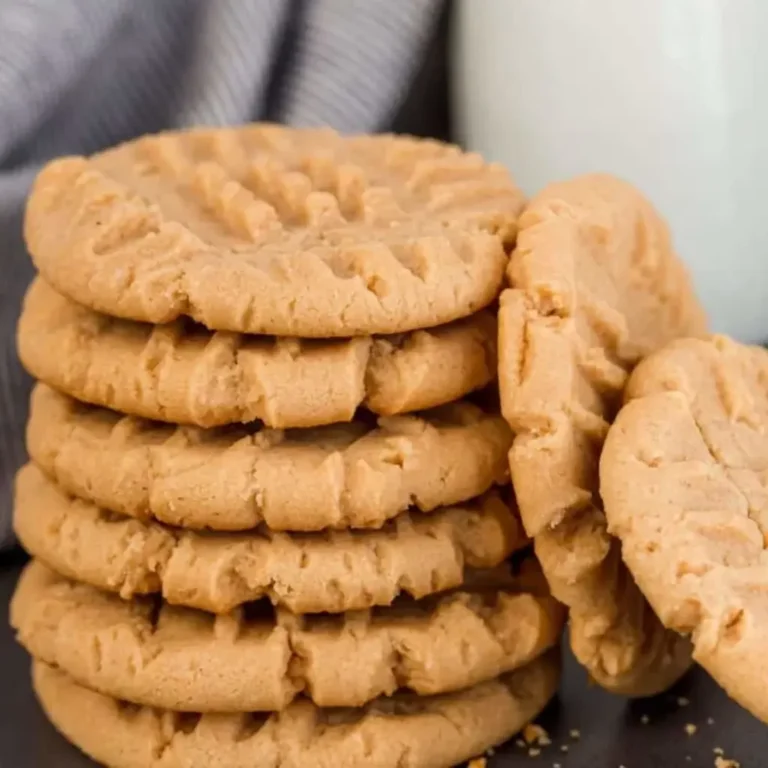
The aroma that wafts from the oven is an intoxicating blend of creamy peanut butter, sweetened sugars, and a whisper of rich espresso. As the cookies bake, a golden crust forms, and the inside stays soft and chewy—yet the espresso lends a subtle bitterness that cuts through the sweetness, revealing layers of roasted nutty flavor and a hint of chocolate. The final bite feels like a Mediterranean midnight snack with a New York espresso bar twist.
I’ve spent months tweaking this dozen‑inch lab of recipe iterations, and this version keeps everything simple: no extra chives, only premium peanut butter (not crunchy), and a dash of espresso powder sourced from a local Brooklyn roastery. This makes it quick for me, safe for my apartment kitchen, and perfect for family afternoons. Expect a classic cookie feel, but with a bold espresso kick that sets it apart from typical peanut butter buns. Let’s dive in.
Why This Classic Peanut Butter Cookies Recipe Is the Best
The secret lies in the espresso—one teaspoon of high‑quality espresso powder infuses a deep, bittersweet undertone that balances the creamy base and removes that singe‑tasting flat finish found in many cookie recipes. My Morocco‑inspired palate remembers that balance from tagine spices, and it translates beautifully into baked goods.
Texture is perfected by creaming butter and sugars together until airy, then folding in peanut butter and flour until silky. The high butter ratio keeps the cookies tender, while the flour’s protein content provides structure so they hold their shape when flattened. The folding technique, a French pastry lesson, ensures the batter doesn’t overmix and collapse.
This batch is foolproof because each step uses precise common kitchen tools (hand mixer, measuring cups, parchment paper) that I normally keep at the downtown co‑op bakery where I volunteer. Even if you’re a beginner, the recipe sticks to a 1‑to‑1 ratio of ingredients, giving you confidence to replicate these results without frustration.
Peanut Butter Ingredients
I usually pick my peanuts and butter at the 24th Street farmers’ market. The local vendors bring in American peanuts from the South that have a light, dry flavor, perfect for a sweet cookie. Back home, my mother would hand‑pick groundnuts and toast them; that tradition runs through my cooking. Here’s what I used for this batch.
Ingredients List
- 1/2 cup unsalted butter (room temperature)
- 2/3 cup granulated sugar
- 1/3 cup brown sugar
- 2/3 cup peanut butter
- 1 large egg
- 3/4 tsp baking powder
- 1/2 tsp baking soda
- 1/4 tsp salt
- 1 1/3 cup all‑purpose flour
- 1 tsp espresso powder
Ingredient Spotlight
Peanut butter—choose a smooth, natural variety with just peanuts and a touch of salt for the richest flavor. I find that a creamy, not crunchy, texture works best with espresso because it keeps the cookie moist. When in doubt, ask a staffer at your local market for a bean blend that’s been roasted just before packing.
Unsalted butter brings a pure richness, and using room‑temperature butter allows it to blend into the sugars without clumping. If you’re on a lower‑fat diet, substitute the butter with equal parts cocoa butter; the cookies are still soft, but the chocolatey undertone deepens.
Espresso powder—one teaspoon is the magic. Whole‑bean espresso in a grinder is ideal, but if you’re short on time, top‑shelf instant espresso works fine. Use 1/2 tsp for a lighter espresso flavor if you’re more sensitive to bitterness.
| Original Ingredient | Best Substitution | Flavor / Texture Impact |
|---|---|---|
| 2/3 cup peanut butter | 1/2 cup peanut butter + 1/4 cup Greek yogurt | Less sodium, slight tang, preserves chewiness |
| 1/2 cup unsalted butter | 1/2 cup coconut oil | Crispy edges, nutty coconut flavor |
| 1 tsp espresso powder | 1 tsp instant brewed espresso (dissolved in 1 tbsp hot water) | Same depth, but a bit more liquid |
How to Make Classic Peanut Butter Cookies — Step-by-Step
Grab your mixer, bowls, and an oven preheated to 350°F; the rhythm of steps will guide you smoothly.
Step 1: Preheat and Prepare
Heat your oven to 350°F and line two large baking sheets with parchment paper. If you’re using silicone mats, place a sheet of parchment over them for extra easy release.
💡 Pierre’s Pro Tip: Lay a second parchment sheet on top of the silicone and wrap one or two circles of parchment with foil for quick cleanup.
Step 2: Cream Butter & Sugars
In a large bowl, beat the butter, granulated sugar, and brown sugar with an electric hand mixer until light and fluffy, about 3–4 minutes. The batter should double in volume.
⚠️ Common Mistake to Avoid: Over‑mixing can turn the cookies tough. Stop once the sugar is fully dissolved and the mixture is pale.
Step 3: Add Peanut Butter & Egg
Blend in the peanut butter until smooth, then crack the egg and whisk until fully incorporated. This creates a smooth base that holds the espresso flavor well.
💡 Pierre’s Pro Tip: Use a spatula to scrape down the sides after each addition; this avoids pockets of uneven batter.
Step 4: Mix Dry Ingredients
In a separate bowl, whisk baking powder, baking soda, salt, espresso powder, and flour. Sift the flour once measured to keep the dough light. Gradually fold the dry mix into the peanut mixture until just combined.
⚠️ Common Mistake to Avoid: Adding dry ingredients too fast can cause lumps. Fold in small increments for a silky dough.
Step 5: Form and Bake
Drop 1‑inch dough balls onto the prepared sheet, spaced about 3 inches apart. Flatten each ball with a fork in a crisscross pattern. Bake 8–9 minutes, or until the edges are lightly golden and the tops just set. Let cool on sheet 5 minutes before transferring to a wire rack.
💡 Pierre’s Pro Tip: Baked at 350°F, these cookies finish with a soft core. If you prefer a crisper bite, bump the temperature to 375°F and add 1 minute.
| Step | Action | Duration | Key Visual Cue |
|---|---|---|---|
| 1 | Preheat oven, line sheets | No time needed | Parchment ready on sheet |
| 2 | Cream butter & sugars | 3–4 min | Light, doubled volume |
| 3 | Add peanut & egg | 2 min | Smooth, uniform batter |
| 4 | Fold dry mix in | 1–2 min | Even, no lumps |
| 5 | Form & bake | 8–9 min | Edges golden, tops set |
Serving & Presentation
These cookies shine best when served at room temperature, the interior still soft but no longer syrupy. I often place them on a reclaimed wood cutting board, drizzle a little dark chocolate drizzled, and sprinkle a pinch of sea salt for extra depth—a nod to the salty edges in Moroccan tagine.
Pair them with a bold espresso latte or a chilled glass of Riesling to lift the coffee notes. For a holiday feel, add a dusting of powdered sugar or a sliver of candied orange peel. A simple garnish of fresh mint leaves gives a pop of color and a hint of citrus that harmonizes with both the peanut and espresso flavors.
In the heart of NYC, I’ve seen people enjoy these cookies at brunch counters or packed them for the subway ride—quick, portable sweet treats that satisfy late‑night cravings or midday energy breaks.
| Pairing Type | Suggestions | Why It Works |
|---|---|---|
| Side Dish | Plain yogurt parfait; roasted chickpeas | Creamy and crunchy balance the cookie’s texture. |
| Sauce / Dip | Chocolate ganache; salted caramel | Adds richness and complementary sweetness. |
| Beverage | Espresso latte; cold brew; sparkling water with lemon | Elevates the espresso note and cleanses palate. |
| Garnish | Mint leaves; chopped pistachios; candied orange peel | Adds color and complementary textures. |
Make-Ahead, Storage & Reheating
My hectic NYC days mean I often bake an extra batch on weekends. The cookies hold their softness for up to a week in an airtight container at room temperature. For longer, freeze in a zip‑lock bag; they stay good for 3 months.
| Method | Container | Duration | Reheating Tip |
|---|---|---|---|
| Refrigerator | Airtight plastic bag | 5–7 days | Let sit at RT for 15 min before serving. |
| Freezer | Freezer zip‑lock bag | 2–3 months | Microwave 10–15 sec, or warm at 350°F for 5 min. |
| Make-Ahead | Individual paper liners | 3 days in advance | Assemble cookies fresh each day; bake 7 min. |
When you thaw frozen cookies, they’re best reheated in the oven at 300°F for 5 minutes to restore that soft‑centered chew. If you prefer a crunchier edge, increase the temperature to 350°F and keep a close eye on the timer.
Variations & Easy Swaps
| Variation | Key Change | Best For | Difficulty Impact |
|---|---|---|---|
| Chocolate‑Mocha Twist | Add 2 tbsp cocoa powder, swap espresso for 1/2 tsp instant coffee | Coffee lovers | Same |
| Gluten‑Free Swap | 1 1/3 cup GF almond flour, 1/4 tsp xanthan gum | Allergies | Requires extra leavening check |
| Spiced Berry Variation | Fold in 1/2 cup dried blueberries, 1/2 tsp cinnamon | Fall season | Same |
Chocolate‑Mocha Twist
Drop that instant espresso for 1/2 teaspoon instant coffee and stir in a couple tablespoons of cocoa powder; the result is a dark chocolate cookie with a hint of mocha that pairs perfectly with a warm cappuccino – a café‑in‑NYC vibe.
Gluten‑Free Swap
Replace the all‑purpose flour with the same amount of GF almond flour and add a dash of xanthan gum to keep the dough cohesive. You’ll get a slightly denser crumb but it’s still deliciously chewy.
Spiced Berry Variation
Blend in dried blueberries and a touch of cinnamon; the sweet‑spicy bite feels like a Moroccan desert pastry meeting a New York berry crumble.
How long do these cookies stay fresh?
These cookies keep their softness for about five to seven days when stored in an airtight container at room temperature. If you seal them in a zip‑lock bag and keep them in the refrigerator, you can extend the shelf life to roughly a week. For longer storage, freeze them in an airtight bag; they’ll stay good for up to three months. When you’re ready to enjoy them, simply let them sit at room temperature for 10–15 minutes or warm them in a 300°F oven for five minutes to bring back that fresh‑baked feel.
Can I use natural peanut butter instead of creamy?
Yes, you can use natural or crunchy peanut butter; the only trade‑off is with texture. A crunchy version introduces small peanut bits that add a delightful crunch, but it can make the dough a bit denser and slightly drier. I prefer creamy because it creates a silky batter and a more uniform crumb. If you prefer crunchy, reduce the peanut butter by about one‑third cup to keep the dough from becoming too heavy.
What’s a good substitution for espresso powder?
Instant espresso powder can be swapped with a small amount of ground espresso or instant coffee dissolved in hot water to achieve a similar intensity. If you’re looking for a lighter flavor, a pinch of instant coffee can replace the espresso powder entirely while still giving the cookie a subtle coffee note. A flavored espresso (like vanilla) can add a small twist, but keep the quantity low to avoid overpowering the peanut butter base.
Are these cookies suitable for kids?
For most children, these cookies are a safe treat; they contain no artificial preservatives and use simple, natural ingredients. However, they do contain peanuts, so be mindful of any nut allergies. The high sugar content can also be a consideration for active youngsters or those monitoring blood sugars, but a few cookies fit well within a balanced snack. For extra kid‑friendly versions, consider reducing sugar or swapping with oat flour for added fiber.
I don’t have an electric mixer, what can I do?
It’s absolutely possible to make these cookies by hand; it does take a bit more effort. Use a sturdy wooden spoon or a handheld whisk to beat the butter and sugars together until the mixture lightens in color and texture, which can take around 5–7 minutes. The key is to break up the butter into tiny shards for easier incorporation. After adding the egg and peanut butter, keep mixing until fully combined; the final dough should feel smooth and slightly thick.
How should I adjust baking time if my oven runs hot?
If your oven tends to run high, it’s wise to reduce the baking time by 1–2 minutes or adjust the temperature down by ten degrees Fahrenheit. Place a baking thermometer on the rack to check the real temperature; at 350°F, aim for 8–9 minutes until the edges are set but the center remains slightly undercooked for softness. After baking, let the cookies cool on the pan for five minutes; this gives the center a chance to finish its rise without overbrowning.
Can I add chocolate chips to this recipe?
Absolutely! Swirl in a handful of semi‑sweet or dark chocolate chips after the dough is formed and before baking. They’ll melt slightly into the cookie, creating pockets of chocolate that contrast with the espresso‑infused base. Keep in mind that chocolate chips absorb some moisture and lower the dough’s fat content a tad, which can slightly change the cookie’s final chewiness.
What are the nutrition facts per cookie?
These cookies average about 137 calories, 15 grams of carbohydrates, 3 grams of protein, 8 grams of fat, 1 gram of fiber, 9 grams of sugar, 88 mg of sodium, and 17 mg of cholesterol per 1‑inch cookie. The numbers are rounded from the full batch (24 cookies) so if you cut a cookie into larger pieces, keep scaling accordingly. I calculate the nutritional info in my spreadsheet, using the USDA database for precise macronutrient counts.
How do I increase the cookie size without changing flavor?
Simply increase the volume of dough by scaling every ingredient up by the same percentage, then bake your larger balls for an extra minute or two. If you prefer a larger cookie that still cooks evenly, keep the ratio of butter to flour the same. The espresso and peanut butter flavor will remain consistent regardless of size, because the overall flavor concentration remains unchanged; it is only the relative mass per cookie that changes.
Is it possible to freeze the dough instead of finished cookies?
Yes, you can portion the dough into balls and freeze them—either wrapped in plastic or in an airtight bag—before baking. When ready, bake them right from the freezer; just add one extra minute per side to ensure even baking. This way, you can have fresh‑baked cookies at any time without preparing daily dough. The texture will be identical to fresh‑baked cookies once baked, with a slightly softer crumb.
Share Your Version!
I’d love to hear how you tweak this classic! Drop a star rating, leave a comment, or upload a photo of your cookies on Instagram or Pinterest. Tag @spicemingle and ask me if you experimented with the espresso amount, swapped in cocoa, or tried a nut‑free version. Your feedback helps me keep the kitchen lively and my recipes fresh.
From my NYC kitchen to yours — I hope this recipe brings as much warmth to your table as it does to mine. — Pierre 🧡
Love This Recipe? Save It to Pinterest!
If you enjoyed this Classic Peanut Butter Cookies recipe, don’t let it get lost in your browser tabs! 😄 Pin it now so you can find it again anytime — and explore hundreds more tried‑and‑tested recipes waiting for you on my Pinterest boards.
👉 Follow Pierre on Pinterest @chefrecipes2
📌 Pin this recipe · 🔁 Re-pin your favorites · 💬 Tag me when you make it — I love seeing your creations!
Classic Peanut Butter Cookies
Description
The easiest recipe for homemade peanut butter cookies. Soft and irresistibly delicious cookies with peanut butter flavor.
Ingredients
- 1/2 cup unsalted butter (room temperature)
- 2/3 cup granulated sugar
- 1/3 cup brown sugar
- 2/3 cup peanut butter
- 1 large egg
- ¾ tsp baking powder
- ½ tsp baking soda
- ¼ tsp salt
- 1 1/3 cup all-purpose flour
Instructions
- Preheat the oven to 350°F. Line 2 large baking sheets with parchment paper.
- With an electric hand mixer, cream together the butter, granulated sugar, and brown sugar. Add the peanut butter and egg and mix until combined.
- In a separate bowl, add baking powder, baking soda, salt, and flour (sift flour once measured). Add to the peanut butter mixture, mix until combined.
- Form dough into 1" balls. Place the balls about 3-inches apart on the prepared baking sheet. Flatten in a crisscross pattern using a fork.
- Bake 8-9 minutes until cookies just start to turn golden at the base. Remove from the oven and allow cookies to cool 5 minutes then transfer on a wire rack.