Table of Contents
French Onion Pasta Recipe ONE POT Wonder – Creamy Budget-Friendly Delight
When I stepped onto a street in Marrakesh and watched vendors caramelize saffron‑spiced onions on open fires, I wondered how that depth of flavor could be tucked into a busy day in Manhattan. That’s why I invented the French Onion Pasta – a one‑pot trick that turns humble onions into a creamy, savory treat without the heaviness of heavy cream.
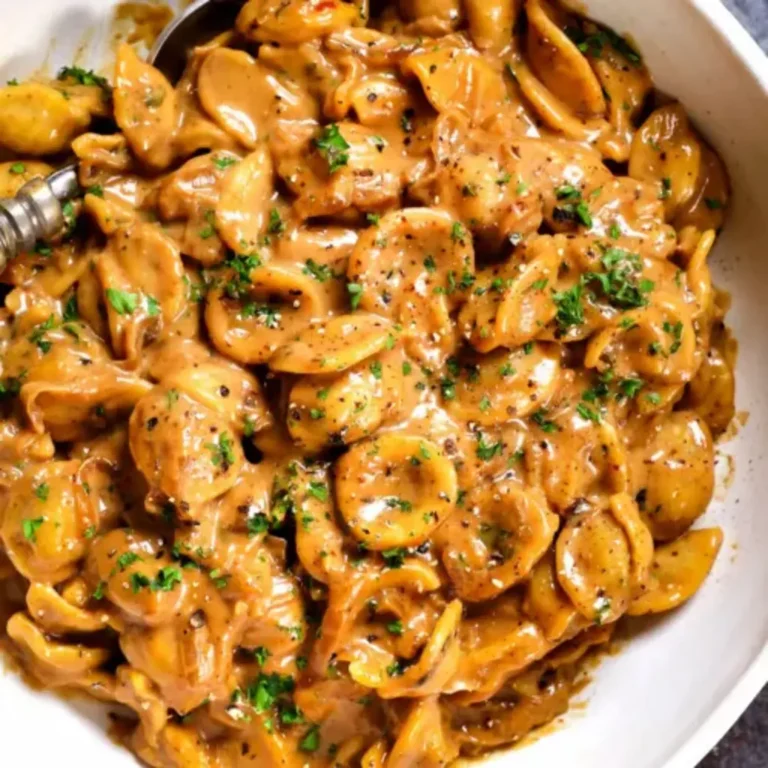
The moment the onion slices hit the pan, the scent of slow, buttery caramelization fills the kitchen. Dark amber rings settle on the bottom, sweetened by a touch of paprika and a splash of soy sauce, while a whisper of garlic and a pinch of red pepper flakes bring warmth. When Gruyère melts into the sauce, the whole dish becomes velvety, yet the pasta stays al dente, offering a satisfying bite that’s both comforting and sophisticated.
I trained in Paris, mastered the art of perfect stock, and now work in a NYC food hall where ingredients never sleep. This recipe blends that European technique with everyday pantry staples – the secret is the use of evaporated milk and beef bouillon, giving you richness without the fat. Pro tip: keep the sauce moving at the right speed and you’ll never end up with bitter hands or gritty onions. A common pitfall is letting the onions burn; to avoid it, lower the heat when they start turning dark.
Why This French Onion Pasta Recipe Is the Best
The flavor secret lies in the layering of umami-rich ingredients – Worcestershire sauce, soy sauce, and beef bouillon converge with caramelized onions to create a complex sweet‑savory base that puts French onion soup and classic pasta side lengths to shame. My North African upbringing taught me to value depth, and honed that skill in Paris’s meticulous broth‑making.
The texture is a triumph of technique; by simmering the pasta in the same pot that holds the sauce, the pasta releases its starches, which thicken the dish into a silky custard. I keep the sauce partially covered during boiling to allow the noodles to bathe without drying. The result: a dish that feels luxurious and still feels home‑cooked.
Foolproof and fast? Absolutely. The ingredients are pantry‑friendly and the single‑pot design means I can go from prep to dinner in less than an hour, even during a late shift at the restaurant. Even beginners will find the steps clear, and the secret sauce that takes the dish from simple to spectacular.
French Onion Pasta Ingredients
I pick my greens from the Union Square Greenmarket, and I source the oysters of the sea—Gruyère and Parmesan—at the fine cheese shop near LaGuardia. Below are the exact amounts that bring this dish to life.
Ingredients List
- 3 tablespoons olive oil
- 2 tablespoons unsalted butter
- 3 large yellow onions, sliced into 1/8-inch rings (mandoline recommended)
- 1/8 teaspoon salt, plus extra to taste
- 1/8 teaspoon pepper
- 4 minced garlic cloves
- pinch to 1/4 teaspoon red pepper flakes
- 1 tablespoon Worcestershire sauce
- 1 tablespoon reduced‑sodium soy sauce
- 5½ cups water (or beef broth)
- 1 12‑oz can evaporated milk
- ½ tablespoon cornstarch
- 2 tablespoons beef bouillon (granulated or cubes)
- 1 tablespoon chopped fresh parsley
- 2 teaspoons minced fresh thyme
- ½ teaspoon each of dried oregano, paprika, pepper
- 1 pound short‑cut pasta (I prefer orecchiette)
- 5 oz freshly shredded Gruyère
- ¼ cup freshly shredded Parmesan
- fresh parsley for garnish (optional)
Ingredient Spotlight
Onions are the backbone of this dish. Choose sweet yellow varieties. When you slice them thinly, the surface area increases, letting them caramelize evenly. If you’re short on time, pre‑sliced onions work fine but buy a firm pack at the market.
Gruyère gives authentic nutty creaminess. Opt for a French label; American brands can be lighter. If you can’t find Gruyère, Swiss cheese or a blend of aged cheddar and mozzarella substitutes well and retains the melt.
Beef bouillon elevates the flavor with deep umami. Granulated spikes faster and blends smoothly. As a substitute, 2 teaspoons dried mushroom sauce or a small splash of beef broth adds a similar depth without the extra sodium.
| Original Ingredient | Best Substitution | Flavor / Texture Impact |
|---|---|---|
| Yellow onions | Red onions | Milder sweetness, more crunch if not cooked long enough. |
| Gruyère cheese | Swiss cheese | Similar nutty flavor, slightly less melt. |
| Beef bouillon | Mushroom bouillon | Adds earthy umami and slightly thicker sauce. |
How to Make French Onion Pasta – Step-by-Step
I’ll walk you through each stage, turning ordinary ingredients into a vertical feast that all will rave about.
Step 1: Add Onions
Melt 2 Tbsp butter in 3 Tbsp olive oil over medium heat in a 7‑quart Dutch oven. Add the sliced onions, 1/8 tsp salt and pepper. Stir to coat.
💡 Pierre’s Pro Tip: Use a heat‑resistant skillet so the oil doesn’t splatter when the onions hit the pan.
Step 2: Caramelize
Cook, stirring every 5 minutes, until dark golden brown, about 30‑35 minutes. Reduce heat or add a splash of oil if the onions scorch.
⚠️ Common Mistake to Avoid: Letting onions burn – keep the heat medium and stir frequently.
Step 3: Sauté Garlic
Add minced garlic, red pepper flakes, soy sauce, and Worcestershire sauce. Cook 30 seconds, just until fragrant.
💡 Pierre’s Pro Tip: Toast the garlic lightly to avoid raw bite.
Step 4: Add Liquids
Pour 5½ cups water and half the evaporated milk. Whisk ½ Tbsp cornstarch with the remaining milk; stir into pot. Bring to a boil while adding beef bouillon, thyme, oregano, paprika, and pepper.
⚠️ Common Mistake to Avoid: Skipping the cornstarch leads to a watery sauce.
Step 5: Boil Pasta
Add pasta, reduce to a simmer, and cook uncovered for 20‑25 minutes, stirring often. Keep the pasta submerged and adjust using a ladle of extra liquid if needed.
💡 Pierre’s Pro Tip: Toss the pasta into a smooth layer so the sauce coats every noodle evenly.
Step 6: Add Cheeses
Take pot off heat. Stir in Gruyère 1‑handful‑at‑a‑time until melted, then add Parmesan. Season with salt and pepper; if you want more sauce, stir a splash of milk or water. Garnish with parsley.
⚠️ Common Mistake to Avoid: Adding cheese too early can curdle; wait until the pot is off heat.
| Step | Action | Duration | Key Visual Cue |
|---|---|---|---|
| 1 | Add onions to butter‑oil blend | 5 min prep | Onions swirl in oil |
| 2 | Caramelize until dark brown | 30–35 min | Golden‑brown rings form |
| 3 | Sauté garlic and sauces | 30 sec | Aroma releases |
| 4 | Add liquids and thicken | 5 min | Thickened amber sauce |
| 5 | Boil pasta in sauce | 20–25 min | Noodles bob, sauce coats |
| 6 | Add cheeses and finish | 3–4 min | Melted, silky crema |
Serving & Presentation
Plate in warmed bowls to keep the creamy sauce from cooling. Sprinkle extra parsley and a dusting of grated Parmesan on top. A drizzle of truffle oil adds a French hook, while a side of crusty bread from a local bakery completes the meal.
In my Moroccan kitchen I’d pair this with a couscous salad; in Paris I’d plate it with a simple beurre blanc; here in NYC, a wedge of fresh tomato salad provides a bright counterpoint. The dish feels comforting yet refined, just the way I like my food.
| Pairing Type | Suggestions | Why It Works |
|---|---|---|
| Side Dish | Garlic roasted potatoes, mixed greens with vinaigrette, caramelized apple slaw | Adds crunch and freshness to balance richness. |
| Sauce / Dip | Caramelized onion jam, aioli, Greek yogurt dip | Enhances umami and offers a light contrast. |
| Beverage | Dry white wine (Sauvignon Blanc), sparkling water with lime, or a crisp rosé | Cleans palate and complements buttery notes. |
| Garnish | Microgreens, shaved citrus zest, grated nutmeg | Adds pop and aromatic lift. |
Make-Ahead, Storage & Reheating
I love prepping in advance because the flavors meld further. After cooking, let the pot cool to room temperature, then transfer to a covered container and refrigerate. When you’re ready to serve, just warm it up gently on the stove, adding a splash of water to keep the sauce silky.
| Method | Container | Duration | Reheating Tip |
|---|---|---|---|
| Refrigerator | Ziploc or glass jar | 3 days | Reheat over low heat with 2 tbsp water. |
| Freezer | Vacuum‑sealed bag | 2 months | Thaw overnight, then reheat gently. |
| Make‑Ahead | Separate pasta | 1 day | Reheat sauce and stir in pasta last. |
When reheating, I always add a little flour or cornstarch slurry to keep the sauce thick. A splash of milk can revive the velvety finish and bring it back to the same indulgent texture I get when cooking fresh.
Variations & Easy Swaps
| Variation | Key Change | Best For | Difficulty Impact |
|---|---|---|---|
| Gluten‑Free Edition | Use polenta or GF pasta; add a dash of xanthan gum when boiling | GF diners | +1 level |
| Dairy‑Free Transform | Swap milk for coconut milk and use vegan cheese | Lactose‑intolerant | +1 level |
| Summer Twist | Add diced peaches and a splash of balsamic reduction | Seasonal freshness | same level |
Gluten‑Free Edition
Swap the orecchiette for a spiral of MCC or a small packet of certified gluten‑free pasta. To maintain the sauce’s thickness, sprinkle a pinch of xanthan gum into the water before cooking; it will give the noodles a silkier chew while preserving the dish’s heartiness.
Dairy‑Free Transform
Replace evaporated milk with unsweetened coconut milk, and use a block of plant‑based cheese that melts well, such as a Daiya mix. The result is a cream‑like texture with a faint tropical nuttiness that pairs perfectly with the robust onion base.
Summer Twist
During my visit to the Brooklyn farmers’ market, I found juicy peaches that turned the dish into an orange‑sweet, savory bowl. Dice the peaches, fold them in at the end, and drizzle a light balsamic reduction for acidity—an unexpected but delightful foil to the classic.
Can I actually make this dish ahead of time?
Absolutely. The caramelized onions and the sauce develop deeper flavor the next day, so the dish is even better reheated. Store it in an airtight container in the refrigerator for up to three days, then reheat gently on the stove with a splash of water or milk to restore the creamy texture. If you plan a larger batch, freeze portions in vacuum‑sealed bags for up to two months and thaw slowly overnight before reheating.
What could I substitute for Gruyère if it’s not available?
I’ve tested Swiss cheese, aged cheddar, and a mix of mozzarella‑ricotta for meltability. While Swiss gives a slightly lighter nutty profile, aged cheddar deepens the caramel notes, and the mozzarella‑ricotta combo adds a silky mouthfeel. The key is a blend that melts smoothly; avoid low‑quality American cheeses that hack the sauce’s richness.
Is the dish safe for kids to eat?
Yes, the recipe is entirely kid‑friendly. It contains no chili flakes (unless you add them), no garlic or onion overload, and the dairy is brushed to a gentle richness that eases digestion. I recommend using a softer pasta shape like ditalini or small shells for younger children to enjoy the velvety sauce without choking on the starch.
What if I don’t have evaporated milk?
You can replace evaporated milk with an equal volume of whole milk or half‑and‑half; it will be a bit lighter, but still silky. If you want a richer consistency, use heavy cream, though then the dish’s zero‑cream promise changes. Alternatively, a small scoop of unsweetened cashew cream thickens the sauce with a mild nutty undertone.
Do I need a Dutch oven for this recipe?
Not at all. A deep, wide skillet or saucepot works just as well. The key is a container large enough to hold all the liquid and pasta without splashing. A heavy‑bottom pan ensures even caramelization. Be careful to keep the heat medium‑low when onions are caramelizing to prevent scorching.
Can I use store‑bought beef broth instead of water?
Absolutely. Substitute an equal cup of savory beef broth for the water to intensify the umami flavor, or use vegetable broth for a lighter tone. Just keep in mind the broth’s sodium content; if it’s high, trim back the added salt and bouillon accordingly so the sauce doesn’t become soggy.
How do I keep the sauce from thickening too much when I reheat it?
When warm, add a splash of liquid—water, milk, or broth—while stirring vigorously. This helps the sauce loosen back to its silky consistency. If it’s too thick, add a teaspoon of cornstarch or just a more generous splash of milk; the starch dissolved in a small amount of cold liquid will integrate smoothly without clumping.
What are some good side dishes to serve with this pasta?
You can offer roasted vegetables, a simple green salad tossed in vinaigrette, or a crisp baguette for dipping. For a nostalgic twist, serve the pasta over a bed of sautéed mushroom risotto to amplify umami. A warm scoop of creamy gnocchi also pairs nicely if you have extra noodles to melt into the saucy depth.
Will this dish melt when I put it in the oven?
It will finish nicely, but because the sauce is already thickened and the noodles are not baked, it would be best to heavy‑coat a baking dish with extra oil and heat at 350°F for about 15 minutes. The cheese will melt and a golden crust will form, giving it a casserole feel—useful for holiday gatherings or a slow cooker.
Is there a way to make this dish vegan?
Indeed. Swap the beef bouillon for a mushroom or vegetable bouillon. Use dairy‑free cheese—like a vegan cheddar or mozzarella that melts—plus coconut or almond milk instead of evaporated dairy. The ginger–cumin blend in the broth adds a warmth that keeps the dish rich and satisfying for anyone following a plant‑based diet.
Share Your Version!
I’d love to see what tweaks you bring to this staple. Drop a star rating and a comment below—your feedback fuels my next kitchen experiment. Star me on the site or fan a photo over Instagram; just tag @spicemingle and show off your twists. Tell me: which one of the secret ingredients surprised you the most? — Pierre 🧡
Love This Recipe? Save It to Pinterest!
If you enjoyed this French Onion Pasta recipe, don’t let it get lost in your browser tabs! 😄 Pin it now so you can find it again anytime — and explore hundreds more tried‑and‑tested recipes waiting for you on my Pinterest boards.
👉 Follow Pierre on Pinterest @exorecipe
📌 Pin this recipe · 🔁 Re‑pin your favorites · 💬 Tag me when you make it — I love seeing your creations!
French Onion Pasta Recipe
Description
This French Onion Pasta is a pantry friendly, budget friendly, ONE POT wonder that’s luxuriously creamy WITHOUT any heavy cream! The onions are deeply caramelized (all you do is stir) then simmered with sauce spiked with a few secret ingredients for unparalleled complex sweetness and rich umami. This deceptively simple recipe is also wonderfully versatile – see post for variations!
Ingredients
- 3 tablespoons olive oil
- 2 tablespoons unsalted butter
- 3 large yellow onions, (sliced into rings 1/8-inch thick (Mandoline recommended))
- 1/8 tsp EACH salt and pepper
- 4 garlic cloves, (minced)
- pinch-1/4 teaspoon red pepper flakes
- 1 tablespoon Worcestershire sauce
- 1 tablespoon reduced sodium soy sauce
- 5 1/2 cups water ((may sub beef broth and omit bouillon))
- 1 12 oz. can evaporated milk
- 1/2 tablespoon cornstarch
- 2 tablespoons beef bouillon (granulated, base or cubes) ((may omit and use beef broth instead of water))
- 1 tablespoon fresh parsley, (minced (or 1 tsp dried))
- 2 teaspoons fresh thyme, (minced (or 3/4 tsp dried))
- 1/2 tsp EACH dried oregano, paprika, pepper
- 1 pound short cut pasta, (uncooked (I use orecchiette))
- 5 oz. freshly shredded Gruyere cheese
- 1/4 cup freshly shredded Parmesan Cheese
- fresh parsley for garnish ((optional))
Instructions
- Add onions: Melt butter in olive oil in a large (7 quart) Dutch oven over medium heat. Add the onions, 1/8 teaspoon salt and 1/8 teaspoon pepper.
- Caramelize: Cook, stirring occasionally, until onions are caramelized and dark golden brown, about 30-35 minutes. Turn down the heat and/or add additional butter/olive oil if the onions start to scorch.
- Sauté garlic, etc. Once the onions are caramelized, add the garlic, red pepper flakes, soy sauce and Worcestershire sauce and cook for 30 seconds.
- Add liquids and seasonings: Add the water and half of the evaporated milk. Whisk the cornstarch with remaining evaporated milk and add to the pot. Increase heat to high to bring to a boil while you stir in the beef bouillon and remaining herbs and seasonings.
- Boil pasta: Once boiling, add the pasta and reduce to a simmer over medium-high heat for 20-25 minutes (uncovered) OR until al dente, stirring often so the bottom doesnt burn and pushing the pasta into an even layer so its covered in liquid. Once the pasta is done cooking, it should still have some excess liquid (that will become the sauce). *Simmering times may vary, so be patient and be prepared to add more water as needed.
- Add cheeses: Remove the pan from the heat and stir in the Gruyere cheese a handful at a time until melted, followed by the Parmesan until melted. Taste and season with salt and pepper if desired. If you would like a saucier pasta, stir in additional water or milk. Garnish with fresh parsley if desired.