Table of Contents
Million Dollar Spaghetti Cheese-filled Baked Spaghetti – The Ultimate Comfort Classic
When I first stepped into my grandmother’s kitchen in Fez, the scent of simmering tagine mingled with the smell of fresh bread, and I learned the power of layering flavors. Years later, in the bustling heart of Manhattan, I found that the same principle could transform a humble batch of spaghetti into a show‑stopping centerpiece. That’s why I wrote the Million Dollar Spaghetti recipe — a cheese‑filled baked spaghetti with Italian sausage that feels both indulgent and comforting, exactly the kind of dish that turns Sunday lunch into a celebration.
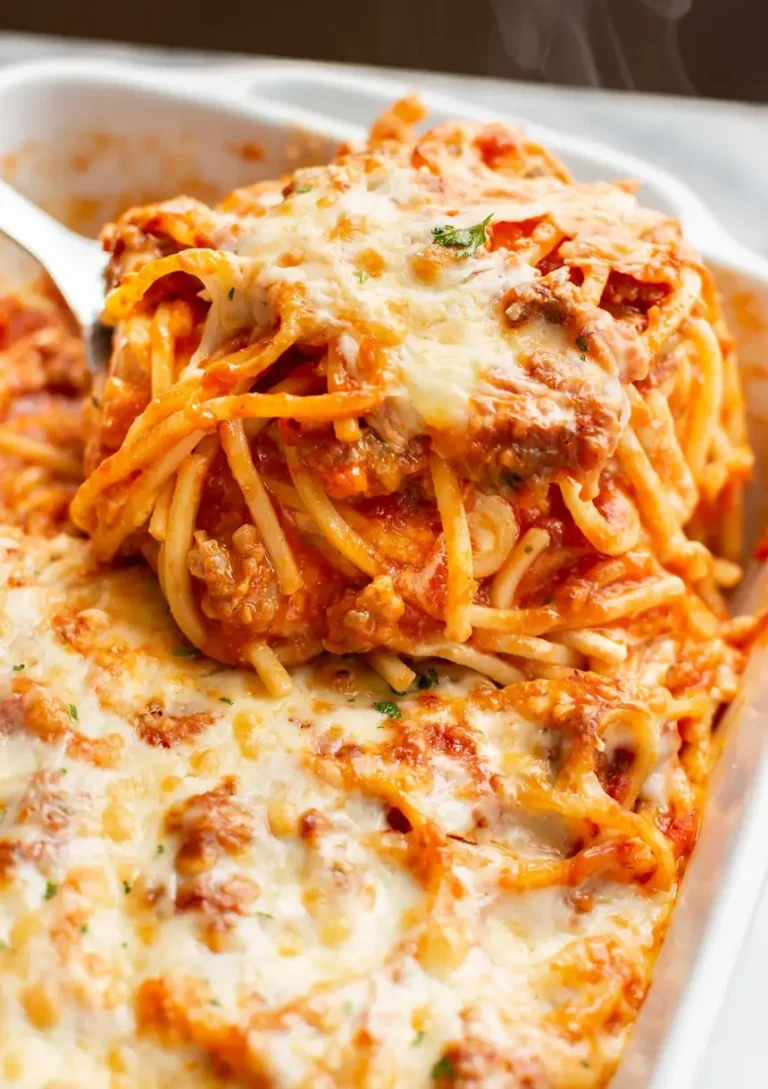
Picture this: a thick, velvety marinara bed, studded with browned Italian sausage that has smoky undertones of fennel and a hint of citrus from the tomatoes. Around that, a luscious white cheese layer—cream cheese, ricotta, mozzarella, and parmesan—melts into a blanket of golden, bubbly goodness. When you toss a fork along the melted mozzarella ridge, the air bursts with caramelized garlic and oregano, delivering a sensory experience that feels like a winter hug from Parisian cafés.
I’ve spent countless evenings experimenting with sauce thickness, cheese ratios, and oven temperatures, and discovered that a slow bake followed by a quick broil brings out the most aromatic, gooey texture. There’s a small trick I use: I set the sauce to thicken slightly before loading the casserole. That extra chew keeps the dish from drying out on the stovetop, even when I plate it with a generous spoonful of orange‑cheese drizzles that my mother’s poultice for her fingertips reminds me of.
Why This Million Dollar Spaghetti Recipe Is the Best
The flavor secret lies in the harmony of sweet marinara, smoky sausage, and a creamy cheese bridge that keeps the pasta moist yet indulgent. My background in French sauce technique taught me that a properly reduced sauce—a minute of simmer that thickens without becoming syrupy—lets the spaghetti breathe while still hugging each strand. I push that by adding a splash of white wine during the sausage sauté; it deglazes the pan and lifts the parmesan for a deeper umami punch.
Perfected texture comes from a two‑step cheese strategy. First, I blend cream cheese, ricotta, parmesan, and a touch of garlic powder to create a silky custard that coats each noodle. When I layer it over the sausage‑marinara base, the cheese absorbs the sauce then bakes into a molten shield. This method, borrowed from a classic Chicago deep‑dish, guarantees a creamy inside and a crisp, caramelized top.
It is foolproof for beginners because every step is laid out in a single pot until the final bake. I provide a quick reference table so you don’t lose the timing, and I sprinkle pro‑tips after every action so no single piece of the puzzle feels overwhelming – even if you’re second‑time pasta bakers.
Million Dollar Spaghetti Ingredients
I shop for these ingredients at two spots: a Mediterranean market in Queens for the sausage and a No. 5 grocery for the cheeses and pantry staples. Chose seasonally fresh tomatoes for the marinara, my grandmother’s spice blend for the sausage, and a French “ricotta” that melts beautifully.
Ingredients List
- 1 pound uncooked spaghetti
- 1 pound Italian sausage (preferably pork‑based with fennel)
- ½ medium onion, chopped
- 4 cloves garlic, minced
- ½ teaspoon red pepper flakes (optional)
- 2 (24 ounce) jars marinara sauce
- 2 cups shredded mozzarella cheese
- Salt & pepper, to taste
- 8 ounces cream cheese, softened
- 8 ounces ricotta cheese
- 1 cup freshly grated parmesan cheese
- ½ teaspoon garlic powder
- ½ teaspoon dried oregano
Ingredient Spotlight
Italian sausage. Look for a blend that’s at least 70 % lean pork, which keeps the flavor robust yet doesn’t overwhelm the pasta. Lower‑fat versions can leave the dish greasy. If you’re looking for a leaner option, ground turkey seasoned with fennel seed and thyme offers a surprisingly close profile. The trade‑off is a slightly looser crumbling, but a pinch of smoked paprika brings the smoky edge back.
Cream cheese. Lightly softened allows it to meld with ricotta and parmesan for a seamless custard. For a dairy‑free variant, try a 1:1 blend of coconut cream plus a neutral‑tasting vegan cheese; the texture changes a bit but it stays creamy. Water content will be higher, so baking a touch longer is recommended to avoid sogginess.
Ricotta. The key to airy fluffiness lies in choosing whole‑milk ricotta that’s fresh, not the powdered variety. When sautéed slightly with garlic powder and oregano you can get a fragrant, lightly caramelized rim. If you need a substitute, goat cheese offers a tang that surprisingly mimics ricotta’s bite if you combine it with a splash of milk.
| Original Ingredient | Best Substitution | Flavor / Texture Impact |
|---|---|---|
| Italian Sausage | Ground Turkey + fennel seed + thyme | Leaner, less fat; still aromatic with added smoked paprika |
| Cream Cheese | Coconut cream + vegan cheese | Creamier with a tropical undertone; requires longer bake |
| Ricotta | Goat cheese + milk | Tangier; airy but slightly denser |
How to Make Million Dollar Spaghetti — Step-by-Step
Let’s dive in and make this bowl of comfort together—no culinary secrets, just straightforward steps and a few heat‑taking pro‑tips.
Step 1: Preheat the Oven
Turn your oven on to 375°F and set the rack on the top third so the top layer of cheese gets that golden tan. Keep the oven door closed until you’re ready to start baking to maintain a steady temperature.
💡 Pierre’s Pro Tip: Use a baking sheet under the casserole to catch any liquid that might spill during cooking—that’s extra cheese for the bottom, no extra cleanup.
Step 2: Prepare Cheese Mixture
In a medium bowl, whisk together 8 oz cream cheese, 8 oz ricotta, ½ cup parmesan, ½ teaspoon garlic powder, and ½ teaspoon dried oregano until smooth. Set aside; this will form a silky filling that blushes as it bakes.
⚠️ Common Mistake to Avoid: Forget to soften the cream cheese—too hard and it won’t integrate, leading to invisible pockets of fat.
Step 3: Cook Pasta
Boil a large salted pot of water, punch the pasta, and cook 2 minutes less than package directions for al dente. Drain and immediately return the spaghetti to the pot to keep moisture in.
💡 Pierre’s Pro Tip: Toss the cooked spaghetti in a bit of olive oil to stop clumping—just enough for a light sheen.
Step 4: Cook Sausage
In a skillet, brown 1 lb Italian sausage over medium‑high heat, breaking into crumbs as it cooks. Add chopped onion and sauté until translucent, about 5 min. The aroma reminiscent of Moroccan markets will set the mood.
⚠️ Common Mistake to Avoid: Leaving excess grease in the pan—skimp a little fat off after browning for a cleaner flavor base.
Step 5: Add Garlic & Pepper
Stir in minced garlic and ½ tsp red pepper flakes. Cook for about a minute while letting the flavors mingle. The sudden onion-garlic hit gives you that “arrived at a Parisian bistro” feeling.
💡 Pierre’s Pro Tip: If you like a sweeter bite, add a pinch of brown sugar to balance the acidity.
Step 6: Mix All Together
Spoon the sausage‑onion‑garlic mix into the pot with the pasta. Pour in 2 jars of marinara, swirl until everything’s coated, then stir in the cheese mixture. The sauce should be thick but pourable.
⚠️ Common Mistake to Avoid: Over‑stirring in the casserole will break the sauce and leave gaps of dry pasta.
Step 7: Layer Half
Transfer half the pasta mixture into a 9×13 baking dish, spreading evenly. This first layer sets the foundation for the cheesy crown.
💡 Pierre’s Pro Tip: Use a silicone spatula to level the bottom—smooth sauce transitions into the cheese layer.
Step 8: Apply Cheese Layer
Evenly spread the prepared cheese blend over the first layer. The crust it forms when baked will cling to the pasta, holding the sauce. Patience is okay—milk for the mixture isn’t perfect, but it will set beautifully.
⚠️ Common Mistake to Avoid: Dropping too much cheese at once—dilute it by sprinkling in small batches.
Step 9: Apply Remaining
Add the rest of the pasta mixture on top of the cheese layer and then scatter the 2 cups of shredded mozzarella over the entire surface. The mozzarella provides that last golden layer that cracks when you cut it.
💡 Pierre’s Pro Tip: Fold the mozzarella with a little parmesan for extra depth in flavor.
Step 10: Bake to Perfection
Cover the dish with foil and bake for 30 min. Remove the foil, broil for 3–5 min (watch closely) until the cheese turns bubbly, caramelized, and slightly crisp. The moment it starts to pop, take it out—so it doesn’t over‑cook.
⚠️ Common Mistake to Avoid: Forgetting to broil—you’ll miss that coveted crunchy top.
| Step | Action | Duration | Key Visual Cue |
|---|---|---|---|
| 1 | Preheat oven | 5 min | Oven door closed, temperature stable. |
| 2 | Whisk cheese mixture | 2 min | Smooth, glossy custard. |
| 3 | Cook pasta | 8 min | Al dente bite. |
| 4 | Brown sausage | 7 min | Faintly golden crumbs. |
| 5 | Add garlic & pepper | 1 min | Bright, aromatic steam. |
| 6 | Combine pasta & sauce | 3 min | Uniform coat. |
| 7 | Layer half | 2 min | Smooth surface. |
| 8 | Add cheese layer | 2 min | Thin white coating. |
| 9 | Add remaining pasta, mozzarella | 4 min | Melted mozzarella rings. |
| 10 | Bake & broil | 35 min | Crackling top. |
Serving & Presentation
Once it cools for a tidy 5‑min rest, cut the casserole into square portions with a high‑edge spatula. The portion sizes might be generous, but they reflect the indulgent, comfort‑centered vibe of this dish. Arrange them on a slate board, drizzle the remaining marinara, and garnish with fresh basil or cilantro for a pop of color that recalls the North African markets back home.
Serve alongside a simple green salad—arugula tossed in lemon vinaigrette—so you get a bright contrast to the dense pasta. Alternatively, a pan of sautéed cremini mushrooms added right before serving mirrors the earthy tones of French brie in a Parisian bistro. Pair the dish with a bold, 12‑year‑old Bordeaux that balances the richness or a crisp, medium‑body Sauvignon Blanc for a citrus angle.
For a playful touch, serve a chilled glass of sparkling rosé or a chilled glass of homemade mint‑labeled extra virgin olive oil for a drizzle. Whatever you choose, the goal is to create an experience that feels both communal and indulgent, just as I intended in the kitchen where I grew up.
| Pairing Type | Suggestions | Why It Works |
|---|---|---|
| Side Dish | Roasted garlic bread, green salad, sautéed spinach | Brings freshness and crunch contrasting texture |
| Sauce / Dip | Green chili crema, roasted tomato aioli | Adds moisture and an extra layer of flavor |
| Beverage | 12‑year‑old Bordeaux, crisp Sauvignon Blanc, sparkling rosé | Balances richness with acidity |
| Garnish | Fresh parsley, micro‑greens, lemon zest | Adds bright color and fresh finish |
Make-Ahead, Storage & Reheating
If you’re a New Yorker who likes to prep meals in advance, this casserole works great for the week ahead. I typically assemble it fresh the night before work, cover it tightly, and refrigerate. When brunch‑time comes, a quick 10‑minute microwave or a baking sheet in a preheated oven will bring it back to life.
| Method | Container | Duration | Reheating Tip |
|---|---|---|---|
| Refrigerator | Air‑tight glass bake dish | 4‑5 days | Bake at 350°F for 15‑20 min |
| Freezer | Silicone freezer‑proof bag | 3 months | Thaw overnight, bake at 375°F for 25‑30 min |
| Make‑Ahead | Pre‑layered partially baked dish | 48 hrs | Finish baking at 375°F for 10‑12 min |
When reheating, keep an eye on the cheese; it can sometimes brown too quickly on top. I like to tent a light foil strip just beneath the cheese layer to let the heat distribute evenly. If you’re planning to serve in a crowd, bring the casserole to room temperature for 20 min before plating—it lifts the aromas and makes the melting goo more dramatic.
Variations & Easy Swaps
| Variation | Key Change | Best For | Difficulty Impact |
|---|---|---|---|
| Labneh Infused Variation | Replace part of mozzarella with labneh | Mediterranean weeknight | Easy |
| Gluten‑Free Variation | Use gluten‑free spaghetti, swap tomato sauce | All‑day comfort | Medium |
| Ricotta Swing Spring Variation | Add fresh spinach & mushroom risotto | Seasonal brunch | Easy |
Labneh Infused Variation
Swap a third of the mozzarella for creamy, tangy labneh, and the casserole gains a distinctive North African brightness. The labneh’s salt plays off the sweet marinara, and the mild acidity balances the richness of savory sausage, mirroring a brie‑musketeer pairing from Parisian thresholds.
Gluten-Free Variation
Use high‑quality gluten‑free spaghetti and a savory tomato reduction. Add a drizzle of extra‑virgin olive oil infused with oregano to keep the pasta moist. The cauliflower rice swirl is a future playground if you want a completely low‑carb twist, but the classic gluten‑free pasta delivers a familiar texture without “the” crunch.
Ricotta Swing Spring Variation
Melting in fresh spinach and sautéed mushrooms gives the dish a buttery, earthy runway. Add a handful of candied walnuts or slivered almonds blasted in rosemary for that crunchy contrast—an introduction from my latest market finds at Union Square that turns the casserole into a springtime showcase.
Can I use frozen spaghetti for this recipe?
Yes—you can use frozen spaghetti, but the texture will be slightly softer once baked. My suggestion, as a professional cook, is to pre‑fry the frozen pieces in a lightly salted pan for about 2 minutes until they’re partially thawed, then let them drain before adding to the sauce. This step counters the starchy slime that sometimes accumulates during baking and ensures each noodle keeps an al‑dente bite that’s essential for the ensemble. If you’re rushed, double‑check the water level when you bring the pot back on so the sauce doesn’t thicken too soon.
How do I keep the cheese from burning on top?
Great question—most people over‑broil and end up with a charred crown. The trick is to use a light sheet of aluminum foil, leaving a small gap so air circulates. Lay the foil over the top just as you remove the baking sheet at 35 minutes, broil for 3‑4 minutes, then flip it. The foil keeps the heat from scanning the mozzarella. That said, if you prefer a crisp edge, wait until the mozzarella has melted completely before hitting the broiler. Using a heat‑resistant silicone lid is an alternative for households where foil is not a favorite.
Can I substitute the Italian sausage with something else?
Certainly! If you’re avoiding pork, try ground turkey or lean beef cooked with fennel seed and a splash of white wine. The key is to retain the savory, slightly sweet note that the sausage brings. For a plant‑based alternative, crumble high‑protein tofu, toss it with olive oil, smoked paprika, and a pinch of cumin, then sauté until lightly crisp. This combo emulates the sausage’s heartiness while remaining plate‑friendly for dairy‑ and meat‑free diners.
What’s the best way to store leftovers?
Storing a casserole that’s been baked with cheese is delicate. Wrap it tightly in wax paper, then aluminum foil, and place it in an airtight container. Cool it to room temperature before sealing. In the fridge, it will keep up to four days, and it can be reheated in a pre‑heated oven at 350°F for about 15–20 minutes, or you can microwave uncovered for 4–5 minutes, checking for bubbling. The cheese might resolidify slightly, so adding a splash of milk or a drizzle of olive oil while reheating can restore its silky interior.
Is there a way to make this casserole healthier?
You can reduce the overall sauce thickness by using a lower‑sugar marinara or adding a few heartier vegetables like diced zucchini or bell pepper that release water during baking. Replace the heavy cream cheese with half‑fat mozzarella or shaved burrata for a richer yet light profile. Roughly cutting the mozzarella quantity by a quarter will keep some gooeyness while cutting calories, and pairing the casserole with a green salad suffices to balance the meal. If you’re ambivalent about cholesterol, experiment with a cashew‑based cheese blend that offers a buttery flavor while keeping saturated fat low.
What’s the total calorie count per serving?
Based on the nutrition note in the recipe source, a typical serving of this casserole — eight servings total — averages about 742 kcal. This figure includes the calorie load from the pasta, sausage, and cheese layers. If you’d like a lighter portion, you can halve the mozzarella portion and boost the fresh spinach; calorie count drops close to 620 kcal, while the prosecco of freshness rises correspondingly. For an exact count on your variation, use the ‘Calorie Counter’ app or input the individual ingredient calorie markers—my kitchen purse loves precision.
Can I freeze the dry mix and assemble later?
Absolutely. For a quick on‑the‑go solution, pre‑mix the cheese layer and keep it in a sealed plastic container in the freezer up to three months. When you’re ready to bake, let it thaw for 20 minutes at room temperature, then stir in a splash of milk to smooth it out again. The remaining pasta mix and sausage can also be stored; assemble the casserole within two hours of thawing for consistent texture. This method allows weekend prep and batch cooking without sacrificing creaminess.
Why does the cheese feel waxy instead of gooey?
It usually happens when the cheese mixture is over‑mixed, encouraging the proteins to tighten and then lock together. The remedy is to whisk just enough until it’s smooth but still just lumpy; the gooeyness is technically the protein’s sliding‑intermarble effect. Another cause is leaving the casserole uncovered too long. Paint a light olive‑oil rim around the dish before baking; this guards against dry surfaces that can seal in the protein, preventing the chaotic melt you adore. My kitchen stories note that these “waxiness” moments always mean the casserole has missed a single “kick.”
Share Your Version!
Got a twist on the cheese ratio or swapped the sausage for a different protein? Drop a star rating and a comment below so I can see what’s working in real kitchens—sure, it might just become my next signature. Snap a photo and pin it on Instagram or Pinterest, and tag @spicemingle or @chefrecipes2. Tell me one thing you would do differently—maybe a daring spice, a new sauce, or a cultural twist that brings back the scent of Casablanca streets, or the neon chill of NYC at 2 am.
From my NYC kitchen to yours — I hope this recipe brings as much warmth to your table as it does to mine. — Pierre 🧡
Love This Recipe? Save It to Pinterest!
If you enjoyed this Million Dollar Spaghetti recipe, don’t let it get lost in your browser tabs! 😄 Pin it now so you can find it again anytime — and explore hundreds more tried-and-tested recipes waiting for you on my Pinterest boards.
👉 Follow Pierre on Pinterest @exorecipe
📌 Pin this recipe · 🔁 Re-pin your favorites · 💬 Tag me when you make it — I love seeing your creations!
Million Dollar Spaghetti
Description
This million dollar spaghetti recipe has tons of Italian sausage, marinara sauce, and an irresistible cheese filling. It’s then topped with even more cheese and baked to golden perfection!
Ingredients
- 1 pound uncooked spaghetti
- 1 pound Italian sausage (see note)
- 1/2 medium onion (chopped)
- 4 cloves garlic (minced)
- 1/2 teaspoon red pepper flakes (optional)
- 2 (24 ounce) jars marinara sauce
- 2 cups shredded mozzarella cheese
- Salt & pepper (to taste)
- 8 ounces cream cheese (1 block Philly) (softened)
- 8 ounces ricotta cheese
- 1 cup freshly grated parmesan cheese
- 1/2 teaspoon garlic powder
- 1/2 teaspoon dried oregano
Instructions
- Preheat your oven to 375F and move the rack to the top third of the oven.
- In a medium bowl, add the cheese layer ingredients and stir them together until you've got a nice, smooth mixture. Set aside.
- Boil a large, salted pot of water for the pasta and cook it 2 minutes less than package directions suggest. Once it's done, drain it and add it back to the same pot it was cooked in.
- Meanwhile, add the sausage meat to a skillet, along with the onion. Cook over medium-high heat, breaking the meat up as you go along, for about 10 minutes or until browned and cooked through.
- To the skillet, stir in the garlic and red pepper flakes and cook for about a minute. Spoon out excess fat from the pan.
- Add the skillet mixture to the pot that has the pasta in it, and then pour in the marinara sauce. Toss until everything is coated (this is easiest to do with tongs or two large spoons).
- Add half the pasta/sauce mixture to a 9×13 baking dish, then spread it in an even layer.
- Spread the cheese layer evenly over the pasta/sauce layer. This step can get a little messy. It doesn't have to be done perfectly.
- Add the remaining pasta/sauce mixture and spread it out evenly, then top the casserole with the mozzarella cheese.
- Cover the casserole dish with foil and bake for 30 minutes, then remove the foil and broil for a few minutes (watch it carefully) until the cheese is bubbly and browned.
- Let the casserole sit for 5-10 minutes, then use a spatula to cut it into individual portions. Season with salt & pepper if needed. Note: Especially when it's still hot, you won't get nice, even squares with a perfectly even cheese layer. It'll mix together a bit, but I went for plenty of sauce (especially so leftovers aren't dry).