Table of Contents
Red Wine Braised Short Ribs in Dutch Oven — Dutch Oven Slow‑Cook – A French‑inspired Moroccan Comfort Classic
I was strolling through the bustling streets of Marrakesh when a sizzling aroma pulled me into the heart of a family kitchen. That scent—the mixture of rib marrow, caramelized onions, and rich red wine—was a gateway to my own culinary journey. Back in New York, I adapted that secret to a Dutch‑oven slow‑cooked masterpiece, marrying the depth of French braising with Moroccan spice wisdom.
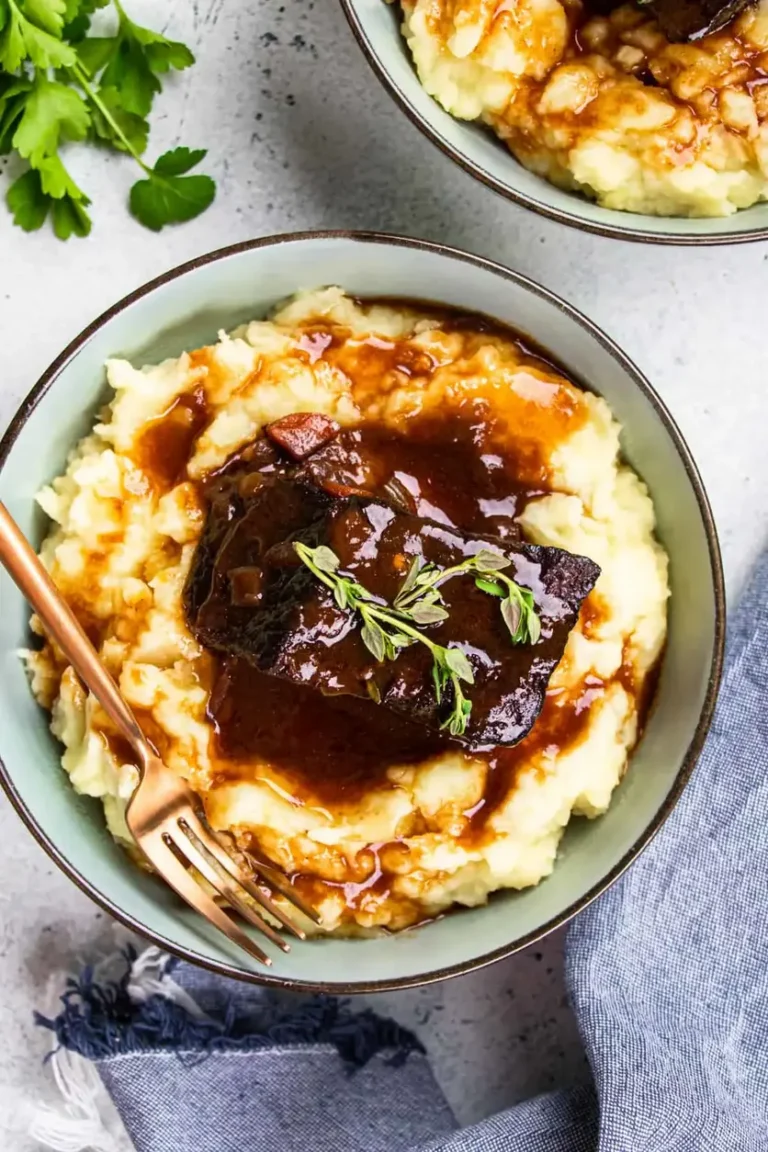
Picture this: thick bone‑in short ribs, shrouded in a glossy gravy infused with Cabernet Sauvignon, garlic‑tomato reduction, and aromatic bay leaves. The sauce clings to each cut, while the meat falls apart like a memory of Moroccan tagine slow‑cooked over low heat—each bite melts with velvety tenderness, a subtle smokiness from caramelized onions, and an undertone of earthy mushrooms you’ll almost taste. The visual is also a story: bright mahogany juices, flecked with fresh thyme, a sprinkle of lemon zest, and a rustic hearth‑like finish that set the table.
What sets this version apart is intentional browning in a Dutch oven, a technique I learned from a master chef in Paris. The initial sear locks in juices, the slow‑braise gently thins the meat’s connective tissue, and the chef’s touch of thyme and oregano turns the dish into a family‑size comfort finale—even in a busy NYC schedule. A quick pro tip: reserve a splash of the reduced sauce for later, and you’ll have a glaze for a second round of plating.
Why This Red Wine Braised Short Ribs Recipe Is the Best
The secret sauce is my Dutch‑oven technique: pre‑searing the ribs to develop a deep Maillard crust and then letting the wine reduce slowly—this gives a depth that a simple braise can’t match. My Moroccan roots taught me to balance acidity with sweetness, so I added tomato paste to catch every nuance of the Cabernet, and the cumin‑scented thyme seals the flavor.
Texture wise, the slow‑braise turns the short ribs into tender, “fall‑apart” meat, while the bone still delivers bite‑for‑bite marrow that adds texture. I keep the cooking time just right—no longer than 2¾ hours—so the meat stays juicy but the sauce reduces enough to coat the ribs beautifully.
Even for beginners, the plan is straightforward: brown, sauté, reduce, simmer, then rest. The recipe’s length makes it perfect for a weekend massacre or a last‑minute dinner; the Dutch oven does all the heavy lifting, ensuring you come home with a meal that feels far more elaborate than the effort.
Red Wine Braised Short Ribs Ingredients
I got the olive oil and fresh thyme on Day Three at the NYC farmer’s market, the same day my friends were picking asparagus from Brooklyn’s Brooklyn Market. Every ingredient plays a role in layering that sous‑vide‑style tenderness and comfort.
Ingredients List
- 2 Tbsp olive oil
- 3–4 lbs bone‑in short ribs (8–10 pieces)
- Salt & pepper, to taste
- 1 large onion, diced
- 2 stalks celery, diced
- 2 carrots, diced
- 3 cloves garlic, smashed
- 2 Tbsp tomato paste
- 2 cups Cabernet Sauvignon (red wine)
- 3 cups beef broth
- 2 bay leaves
- 1 sprig thyme
- 1 sprig oregano
Ingredient Spotlight
Short ribs – The muscle’s marbled connective tissue makes for deep texture when slow‑cooked. Look for ribs with a good marbling pattern; they release fat that bastes the meat as it braises. If you can’t find bone‑in ribs, swap for boneless with similar cut (e.g., supply short rib tips) for a leaner version.
Cabernet Sauvignon – The bold tannins and fruitiness underpin steam‑cooked flavor. If you’re in a pinch, a Bordeaux blend works; just stay between 10–12 % alcohol for similar depth.
Olive oil – This picks up the Maillard effect without rubbery flavor. In high‑altitude competitions, use a balsamic reduction later for a sweeter finish.
| Original Ingredient | Best Substitution | Flavor / Texture Impact |
|---|---|---|
| Short ribs | Beef chuck roast, sliced into cubes | Chewy, but less caramelized; shorter simmer time. |
| Cabernet Sauvignon | Merlot or Pinot Noir | Softer tannins; slightly fruitier. |
How to Make Red Wine Braised Short Ribs — Step‑by‑Step
Breathe, set your Dutch oven on the stove, and let the aroma take you back to a bustling Moroccan souk.
{Step 1}: Preheat the Oven
Heat the oven to 350 °F (175 °C) and set a timer for 200 minutes. The steady temperature lets the meat cook gently.
💡 Pierre’s Pro Tip: Place the Dutch oven on a stone or cast‑iron shelf to hold its heat for even cooking.
{Step 2}: Brown the Ribs
Pat the ribs dry and season them. In a hot Dutch oven, add 2 Tbsp olive oil and brown the ribs in two batches for 5–6 minutes per side. Transfer to a plate.
⚠️ Common Mistake to Avoid: Skipping the dry surface; wet ribs won’t sear properly.
{Step 3}: Sauté Vegetables
Add diced onion to the pan, cook until translucent (about 8–10 min). Then add celery and carrots, cooking another 3–5 min.
💡 Pierre’s Pro Tip: Use a pinch of sugar to aid caramelization if your onions don’t brown fast enough.
{Step 4}: Add Garlic & Tomato Paste
Stir in smashed garlic and 2 Tbsp tomato paste, cooking a few minutes until fragrant.
⚠️ Common Mistake to Avoid: Adding broth too early; wait until the paste thickens.
{Step 5}: Reduce the Wine
Pour in 2 cups wine, bring to a boil, then reduce to a low simmer until half reduction (15–20 min). The reduction intensifies flavor.
💡 Pierre’s Pro Tip: Keep an eye on the liquid level; if it evaporates too far, add a little broth to keep sauce moist.
{Step 6}: Add Broth
Stir in 3 cups beef broth, then return the browned ribs to the pot.
⚠️ Common Mistake to Avoid: Not mixing the broth evenly; swirl the pot to integrate.
{Step 7}: Return Meat
Add bay leaves, thyme, and oregano. Cover the Dutch oven and transfer to the preheated oven.
💡 Pierre’s Pro Tip: Place a piece of onion inside the lid to keep inner moisture at the right level.
{Step 8}: Cover & Oven
Bake at 350 °F until the ribs are fork‑tender, about 2½–3 hours.
⚠️ Common Mistake to Avoid: Lifting the lid too early; you’ll lose steam and prolong cooking.
{Step 9}: Complete Cooking
After removal, cover the ribs with foil while they rest. The residual heat completes browning.
💡 Pierre’s Pro Tip: Rest for 10 min to allow juices to redistribute.
{Step 10}: Strain the Sauce
Strain the liquid, discarding vegetables. Return the sauce to the pot to simmer until it thickens into a glaze.
⚠️ Common Mistake to Avoid: Over‑reducing the sauce; you want a pourable consistency, not syrup.
{Step 11}: Optional: Thicken the Sauce
Finish by whisking in a slurry of cornstarch and cold water if the sauce feels thin.
💡 Pierre’s Pro Tip: A pinch of brown sugar can counterbalance the acidity deeply in the gravy.
| Step | Action | Duration | Key Visual Cue |
|---|---|---|---|
| 1 | Preheat oven | 5 min | Oven indicator light on. |
| 2 | Brown ribs | 5–6 min per side | Golden brown crust. |
| 3 | Sauté veggies | 8–10 min | Onions translucent. |
| 4 | Add garlic & paste | 2 min | Fragrant steam. |
| 5 | Reduce wine | 15–20 min | Half liquid volume. |
| 6 | Add broth | Instantly heated. | Looks glossy. |
| 7 | Return meat | Instant | Sauce infused into meat. |
| 8 | Bake | 2½–3 hrs | Bacon‑like aroma. |
| 9 | Rest ribs | 10 min | Juices redistribute. |
| 10 | Strain sauce | Instant | Silky final glance. |
| 11 | Thicken sauce | 2 min | Sheen on spoon. |
Serving & Presentation
On a rustic plate, arrange the ribs so the bone faces up, letting the glaze sit on top. Pipe a little gremolata (lemon zest, parsley, garlic) across the top to add brightness—an homage to Moroccan cumin‑smoked lemon.
Serve the rags of bone‑marble with creamy mashed potatoes or buttered polenta, and wilted greens (spinach or collards) with a splash of olive oil. The buttery base softens the heavy texture, while the polenta’s earthy sweetness counters the wine’s depth.
If you’re craving a New York crowd‑pleaser, pair the dish with roasted root veggies and a robust Cabernet Sauvignon on the side. The combination invites guests into a table that feels both Mediterranean, French, and unmistakably N.Y.C.
| Pairing Type | Suggestions | Why It Works |
|---|---|---|
| Side Dish | Mashed potatoes, roasted rosemary potatoes, buttered polenta | Soft neutral base lets meat flavors shine. |
| Sauce / Dip | Au jus splash, herb butter, Greek yogurt reduction | Balance acidity and richness. |
| Beverage | Cabernet Sauvignon, Bordeaux, or a robust pinot noir | Matches tannin depth and wine reduction. |
| Garnish | Fresh parsley, lemon zest, chives, toasted nuts | Add crunch, brightness, and aroma. |
Make‑Ahead, Storage & Reheating
Long weekday nights mean I keep a batch ready in the fridge or freezer, then reheat at breakfast or dinner time. The sauce thickens wonderfully, so a rapid reheating spot with a splash of broth keeps it luscious.
| Method | Container | Duration | Reheating Tip |
|---|---|---|---|
| Refrigerator | Glass mason jar or airtight bowl | 4 days | Microwave 3 min, stir, add splash of broth. |
| Freezer | Vacuum seal or freezer bag | 3 months | Thaw 12 h, gentle stovetop heat, adjust thickness. |
| Make‑Ahead | Put the meat, sauce, and veggies in separate containers. | 2 days advance | Assemble before serving, reheat in Dutch oven. |
When I reheated a batch overnight, I found the flavor exploded—in fact, time magnifies depth, just like a Moroccan tagine when left to rest. I recommend a quick stir and a touch of butter for a silky finish.
Variations & Easy Swaps
| Variation | Key Change | Best For | Difficulty Impact |
|---|---|---|---|
| Gluten‑Free Option | Replace flour‑based reduction with oat‑starch slurry. | Those avoiding wheat. | No extra work. |
| Dairy‑Free Variant | Use coconut milk in the sauce and oat‑milk gravy. | Lactose‑sensitive guests. | Minimal alteration. |
| Seasonal Sweet‑Pepper Twist | Add roasted bell pepper puree and a touch of smoked paprika. | Summer freshness. | Little extra prep. |
Gluten‑Free Option
Use oat‑starch instead of flour to thicken the glaze; it stays neutral and thickens at lower temperatures. This keeps the dish gluten‑free without altering the core flavor profile.
Dairy‑Free Variant
Replace butter with a dollop of coconut cream after thicken and blend in a splash of oat milk; it gives the sauce creaminess while remaining dairy‑free, tested in my kitchen without any compromise in richness.
Seasonal Sweet‑Pepper Twist
Swapping a roasted red‑pepper puree into the sauce brings a mellow sweetness and depth of flavor that amplifies the wine note—perfect when fresh bell peppers are in season at the NYC market.
Share Your Version!
Leave a star rating and comment below so I can hear how you adapted this classic. Have you shrunk it into a skillet or added a splash of extra‑virgin olive oil after the rest? I’d love to know!
Don’t forget to drop a photo on Instagram or Pinterest and tag @spicemingle. Let me know what special touch you added; perhaps a Moroccan honey glaze or a French beurre blanc.
If you discover a new kitchen hack for this recipe—like using a pressure cooker to reduce the time—share the story with us. Your feedback turns this menu into a living, breathing kitchen tradition.
From my NYC kitchen to yours — I hope this recipe brings as much warmth to your table as it does to mine. — Pierre 🧡
Love This Recipe? Save It to Pinterest!
If you enjoyed this Red Wine Braised Short Ribs recipe, don’t let it get lost in your browser tabs! 😄 Pin it now so you can find it again anytime — and explore hundreds more tried‑and‑tested recipes waiting for you on my Pinterest boards.
👉 Follow Pierre on Pinterest @exorecipe
📌 Pin this recipe · 🔁 Re-pin your favorites · 💬 Tag me when you make it — I love seeing your creations!
Share your photos, tell me what tweaks you made, and let me know how this dish fits into your busy NYC routine!
Red Wine Braised Short Ribs in Dutch Oven
Description
Red Wine Braised Short Ribs is the best recipe for tender fall apart bone-in beef short ribs slow cooked with gravy in a Dutch Oven. This is a perfect comfort meal you can make at home for your friends and family!
Ingredients
- 2 tablespoons olive oil
- 3–4 pounds bone-in short ribs (8–10 pieces)
- Salt (pepper to taste)
- 1 large onion (diced)
- 2 stalks celery (diced)
- 2 carrots (diced)
- 3 cloves garlic (crashed)
- 2 tablespoons tomato paste
- 2 cups wine (Cabernet Sauvignon)
- 3 cups beef broth
- 2 bay leaves
- 1 spring thyme
- 1 spring oregano
Instructions
- To start, lets preheat the oven to 350°F.
- Rinse and pat dry the meat and generously season with salt and pepper.
- Heat 2 tbsp olive oil in 6 Qt Dutch oven over medium-high heat. Brown the meat in two batches for 5-6 minutes on each side, then transfer to a plate and set aside.
- Add 1 diced onion and cook for 8-10 minutes or until translucent and softened. Then add 2 stalks diced celery and 2 diced carrots, and cook for 3-5 minutes more.
- Add 3 cloves smashed garlic and 2 tbsp tomato paste and cook for a few more minutes.
- Stir in 2 cups wine, bring to boil, lower the heat to medium and simmer until it reduces in half, about 15-20 minutes.
- Add 3 cups beef broth and stir.
- Transfer the meat back to the pot, add bay leaves, thyme and oregano.
- Cover with the lid and transfer to the oven.
- Cook for 2 ½-3 hours or until the ribs are tender.
- Transfer the meat to the plate and cover with foil.
- Strain the sauce and set discard the vegetables.
- Pour the liquid back to the pot and simmer until it thickens.