Table of Contents
High-Protein Honey Garlic Shrimp – Ultimate Sweet & Savory Delight
I grew up in a bustling Moroccan home where every meal carried stories of spices, family, and the scent of saffron and cumin swirling through the air. When I first discovered the sweet glaze of honey combined with a garlic‑infused soy sauce, I realized it echoed the simple yet profound flavors of a Parisian patisserie, only now with a lean protein twist. This High-Protein Honey Garlic Shrimp recipe marries those worlds—Moroccan vibrancy, French technique, and the quick‑fire spirit of NYC—into a single, satisfying plate that delivers 220 calories, a punch of protein, and a silky sweetness that makes it the perfect quick‑fire dinner.
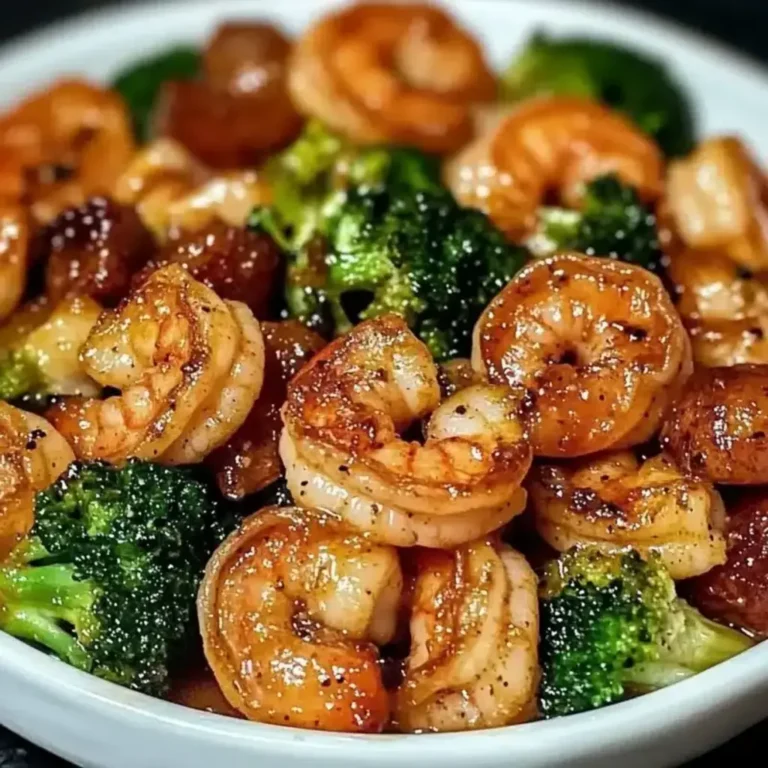
From the first bite, you’ll taste the buttery caramelization of honey balanced by the briny sting of soy, while the garlic gives an almost smoky undertone that reminds me of my grandmother’s slow‑cooked tagines. The shrimp themselves become tender morsels that practically melt, their pink blush enhanced by a subtle shimmer of olive oil—a nod to the olive groves of the French Riviera. The final dish is a canvas: golden shrimp glistening in a glossy glaze, speckled with fresh green onions and sesame seeds, delivering an orchestra of textures—soft, glossy, crunchy, and aromatic—all under the watchful eye of the city’s night sky.
What sets this recipe apart is the intentional high‑protein focus, achieved not by adding extra meat, but through meticulous technique: quick searing to lock in juices, a sauce that coats and thickens just enough to cling without overwhelming, and a garnish that adds color and crunch. My go‑to pro tip is to keep the heat medium‑high when searing so the shrimp don’t release too much water—this ensures a crisp skin and a silky sauce finish. A common mistake is to overcook the shrimp, resulting in rubbery texture, so I always watch for that perfect pink blush. Trust me, with this balance, you’ll end up with a dish that impresses both the palate and the Instagram feed.
Why This High-Protein Honey Garlic Shrimp Recipe Is the Best
The secret sauce here is a French‑inspired caramelization technique, perfected after years of training at Le Cordon Bleu. By searing the shrimp at medium‑high heat, I create a golden crust that retains a delicate interior, a hallmark of Parisian seafood dishes. This contrast elevates the humble shrimp into a luxurious bite, all while keeping calories low.
Texture is paramount. I whisk the honey‑garlic sauce until it’s silky and slightly viscous, then let it thicken over low heat. The result is a glossy coating that clings to each shrimp without weighing them down, mirroring the delicate balance of sauces in my Moroccan stews.
For beginners, the simplicity of the steps, the clear color cues, and the minimal equipment needed make this quick, foolproof dish an ideal evening meal for busy NYC nights.
Honey Garlic Shrimp Ingredients
I source my seafood from the local market on the Lower East Side, where the fishermen still bring in shrimp fresh from the Atlantic. The honey comes from the family farm in the Hudson Valley, and the olive oil is a Spanish extra‑virgin that carries a buttery note that’s essential for this dish.
Ingredients List
- 1 pound large shrimp, peeled and deveined
- 1/4 cup honey
- 4 cloves garlic, minced
- 2 tablespoons soy sauce
- 1 tablespoon olive oil
- 1 teaspoon cornstarch (optional, for thickening)
- Salt and pepper to taste
- 2 green onions, sliced (for garnish)
- Sesame seeds (for garnish, optional)
Ingredient Spotlight
Shrimp: The star of the show; look for bright pink shells and clear, firm flesh. They should be free of any black specks or a fishy odor. A quick pinch test—if the flesh stays pink, you’re good to go. If you prefer an alternative, grilled chicken or firm tofu work wonderfully.
Honey: Opt for raw, unpasteurized honey to preserve natural antioxidants. A light, floral honey enhances sweetness without overpowering. If honey is unavailable, maple syrup can substitute, though it introduces a distinct undertone.
Garlic: Fresh garlic gives a sharp, aromatic burst. Minced finely to ensure even distribution. Substitute with garlic powder for a quicker prep, but note the intensity will differ.
Soy Sauce: The umami backbone. Use low‑sodium soy sauce to control salt levels. Tamari can be used for a gluten‑free version, adding a slightly richer flavor.
| Original Ingredient | Best Substitution | Flavor / Texture Impact |
|---|---|---|
| Shrimp | Chicken breast | Lean protein, slightly firmer texture |
| Honey | Maple syrup | Smoother sweetness, lighter color |
| Garlic | Garlic powder | Less intense, more subtle |
| Soy sauce | Tamari | Gluten‑free, richer umami |
How to Make High-Protein Honey Garlic Shrimp — Step-by-Step
Let’s get the shrimp dancing! I’ll guide you through the quick and flavorful journey.
Step 1: Rinse Shrimp
Under cold running water, give the shrimp a quick swirl, then pat dry with a paper towel. A dry surface ensures a golden sear. If you’re in a hurry, simply shake away excess moisture.
💡 Pierre’s Pro Tip: For a cleaner look, use a paper towel to blot the shrimp, then sprinkle a pinch of coarse sea salt—this helps draw out any lingering moisture.
Step 2: Mix Sauce
In a small bowl, whisk together honey, minced garlic, soy sauce, and olive oil. If a thicker glaze suits your palate, stir in the optional cornstarch for a silky coat.
⚠️ Common Mistake to Avoid: Mixing the sauce too late; wait until the shrimp are almost done to preserve the fresh sweetness of the honey.
Step 3: Cook Shrimp
Heat a skillet over medium‑high heat, add a splash of olive oil. Once shimmering, add shrimp in a single layer—no crowding. Sear for 2–3 minutes per side until they just start turning pink.
💡 Pierre’s Pro Tip: If the skillet smokes, reduce the heat slightly—this prevents the olive oil from burning and altering the sauce.
Step 4: Season Shrimp
Season the shrimp with salt and pepper to taste. The seasoning should be subtle so the honey glaze remains the star.
⚠️ Common Mistake to Avoid: Over‑salting early; salt the shrimp at the end of cooking to keep the glaze sweet.
Step 5: Add Sauce
Pour the pre‑made honey garlic sauce over the shrimp. Toss gently to coat all pieces evenly. The glaze will start to thicken slightly.
💡 Pierre’s Pro Tip: Use a spatula to gently lift the shrimp from the bottom and let the sauce flow around them for even coating.
Step 6: Simmer
Lower the heat to medium and let the shrimp simmer in sauce for 3–5 minutes. The sauce should become glossy and cling to the shrimp without turning syrupy.
⚠️ Common Mistake to Avoid: Letting the sauce boil; a gentle simmer keeps the sugars from caramelizing too quickly.
Step 7: Garnish
Remove from heat and sprinkle with sliced green onions and optional sesame seeds for a pop of color and crunch.
💡 Pierre’s Pro Tip: Lightly toast the sesame seeds on a dry pan before adding; this brings out a nutty aroma.
Step 8: Serve
Plate the shrimp immediately while they’re hot and glossy. Pair with steamed rice or a crisp salad for a balanced meal.
⚠️ Common Mistake to Avoid: Leaving the shrimp to sit on a hot plate for too long, which can cause the sauce to thicken and lose shine.
| Step | Action | Duration | Key Visual Cue |
|---|---|---|---|
| 1 | Rinse & Dry Shrimp | 2 mins | Shrimp dry, no water droplets |
| 2 | Whisk Sauce | 1 min | Glaze smooth, no lumps |
| 3 | Sear Shrimp | 4-5 mins | Golden crust, pink center |
| 4 | Season Shrimp | 30 sec | Even sprinkling of salt |
| 5 | Add Sauce | 1 min | Sauce coats shrimp |
| 6 | Simmer | 4-5 mins | Sauce glossy |
| 7 | Garnish | 10 sec | Color contrast |
| 8 | Serve | Immediate | Shrimp bright, sauce shiny |
Serving & Presentation
Plate the shrimp artfully on a shallow white plate, letting the glossy glaze spill over the edges. Sprinkle fresh green onions and a few sesame seeds, creating a vibrant contrast reminiscent of a North African tagine bowl. Serve over fluffy jasmine rice or a crisp cucumber salad for an elegant balance; the acidity of the cucumber cuts through the sweetness, while the rice soaks up the sauce, creating a comforting bite. If you’re in a rush, serve it over a bed of pre‑made quinoa; the nutty flavor complements the honey’s caramel notes.
For a touch of luxury, garnish with a drizzle of olive oil and a pinch of cracked pepper, echoing the French culinary principle of “a little extra” that transforms a dish. The final plating should feel light yet indulgent, reflecting the quick, high‑protein nature of the meal while honoring the flavors of Moroccan spice and Parisian refinement.
| Pairing Type | Suggestions | Why It Works |
|---|---|---|
| Side Dish | Steamed jasmine rice, roasted asparagus | Rice soaks up sauce; asparagus adds crunch and earthy tone |
| Sauce / Dip | Crispy garlic aioli, lime‑coconut yogurt dip | Adds creaminess and a zesty contrast |
| Beverage | Chilled Riesling, sparkling rosé, or a light ginger‑ale | Sweetness balances sauce; fizz lifts palate |
| Garnish | Micro parsley, lemon zest, chopped cilantro | Adds freshness and visual pop |
Make-Ahead, Storage & Reheating
After a quick NYC lunch break, I like to prep the sauce in bulk. I store the sauce (with the shrimp still uncooked) in the fridge for up to 24 hours, then add fresh shrimp when ready to serve. This technique saves time during the week while preserving flavor.
| Method | Container | Duration | Reheating Tip |
|---|---|---|---|
| Refrigerator | airtight glass jar | 24 hrs | Reheat gently in skillet |
| Freezer | heavy‑duty freezer bag | 1‑2 months | Thaw overnight; reheat on stove, stir to combine |
| Make‑Ahead | plastic container with sauce separated from shrimp | 3‑4 days in advance | Assemble immediately before eating |
When reheating, I like to use low heat and add a splash of water or broth to keep the shrimp moist. A quick sear at the end restores the original golden crunch, giving the dish that fresh‑just‑made feel.
Variations & Easy Swaps
| Variation | Key Change | Best For | Difficulty Impact |
|---|---|---|---|
| Spicy Cajun Twist | Add smoked paprika, cayenne, and a squeeze of lime. | Heat lovers, quick spice boost. | Easy |
| Gluten-Free Version | Use tamari instead of soy and cornstarch as thickener. | Those on gluten‑free diets. | Very easy |
| Spring Vegetable Mix | Add sliced bell pepper, snow peas, or zucchini. | Seasonal freshness. | Easy |
Spicy Cajun Twist
Introduce a smoky heat with a pinch of smoked paprika and a dash of cayenne pepper—think of the fiery bouillabaisse from Marseille, but with a Cajun kick. The citrus zest from a lime squeeze cuts through the sweetness for a balanced, invigorating dish.
Gluten-Free Version
Swap regular soy sauce for tamari, which is naturally gluten‑free, and replace cornstarch with arrowroot powder for a smooth thickener. The flavor remains silky, and the texture keeps shrimp tender without compromising that signature glaze.
Spring Vegetable Mix
Add diced bell pepper, snow peas, or thinly sliced zucchini to the skillet after searing the shrimp. The crisp vegetables add bright color, extra fiber, and seasonal vibrancy—perfect for a brunch or light dinner.
Can I substitute the shrimp with other proteins?
Absolutely! If you’re looking to keep the dish protein‑dense but want a different texture, grilled chicken breast or firm tofu make great substitutes. For chicken, use 1 ½ lbs of cut‑up breast fillets and follow the same searing steps, just cook a bit longer for a thorough doneness. Tofu works best when pressed, cubed, and lightly browned before adding the honey‑garlic glaze, ensuring a firm bite that holds its shape in the sauce. Both options maintain the sweet‑savory harmony that defines this recipe.
How do I store leftover honey garlic shrimp?
Store any leftovers in an airtight container in the refrigerator for up to two days. Keep the sauce and shrimp separate if possible so the shrimp don’t become waterlogged. When you’re ready to reheat, gently warm the shrimp in a skillet over low heat, adding a splash of water or broth to keep moisture from evaporating. Reheating over medium‑high for a minute or two will restore the golden glaze without overcooking the shrimp, ensuring every bite remains tender and flavorful.
Is this recipe gluten‑free?
By default, the recipe uses soy sauce, which contains gluten. However, it can be made 100% gluten‑free by replacing regular soy sauce with tamari or a gluten‑free soy alternative. The cornstarch thickener is naturally gluten‑free, so no changes are needed there. This swap gives the same umami depth while accommodating gluten sensitivities without compromising the glaze’s texture or taste.
What kind of sauce does this shrimp pair well with?
Besides the signature honey‑garlic glaze, a fresh lime vinaigrette or a tangy cilantro‑coconut yogurt dip provides bright, creamy contrast. A chilled, lightly sweet Riesling or sparkling rosé complements the dish’s sweet‑savory profile, while a ginger‑ale adds fizz and mild spice. If you prefer a richer accompaniment, a light butter‑based sauce with a hint of lemon can enhance the shrimp’s natural sweetness without overpowering it.
How much honey does it actually need?
The recipe’s ¼ cup of honey is designed to coat the shrimp lightly, offering a subtle sweetness rather than a honey glaze. If you’re a sweet‑tasting person, feel free to bump the amount up to ½ cup; just keep in mind that more honey will thicken the sauce faster, so it may need a slightly longer simmer to reach the desired consistency. Conversely, for a less sweet version, reduce to 2 tablespoons and increase the soy sauce for more umami balance.
Can I use frozen shrimp?
Yes, frozen shrimp can work well as long as you thaw them properly. Thaw them overnight in the refrigerator or rinse under cold water for 10–15 minutes. Pat them dry thoroughly before searing; this prevents excess steam and ensures a crisp sear. Once thawed and dry, follow the exact same cooking instructions—shrimp will still turn pink and juicy within the same 2–3 minute per side.
How do I avoid overcooking the shrimp?
Shrimp cooks extremely quickly; overcooking turns them rubbery. The trick is to watch for color changes: when the shrimp start turning pink around the edges, that’s the cue to flip and move them toward the sauce. If you’re cooking in a larger batch, consider removing them briefly from the pan once the edges are bright, then finish them in the sauce to preserve tenderness. Keeping the heat at medium‑high for the sear and lowering it for the simmer phase balances heat evenly.
Can I make this ahead of time?
Yes, you can prep the sauce a day ahead and store it in the fridge, then add fresh shrimp right before serving. Alternatively, you can pre‑cook the shrimp, chill them, and reheat gently in the sauce on the day of. When refrigerating, keep the sauce and shrimp separate to avoid the shrimp absorbing too much liquid. Reheat on low heat, adding a small splash of water or broth to keep moisture and re‑create the glossy finish.
Share Your Version!
Did this dish become your favorite quick‑hit dinner? Drop a star rating and a comment below—your feedback helps me improve every recipe. If you captured any photos while cooking, share them on Instagram or Pinterest and tag @spicemingle. Curious about swapping the honey for maple syrup or adding a pinch of smoked paprika? Tell me about your tweaks—I love hearing how I can adapt a dish to fit your palate.
From my NYC kitchen to yours — I hope this recipe brings as much warmth to your table as it does to mine. — Pierre 🧡
Love This Recipe? Save It to Pinterest!
If you enjoyed this High-Protein Honey Garlic Shrimp recipe, don’t let it get lost in your browser tabs! 😄 Pin it now so you can find it again anytime — and explore hundreds more tried‑and‑tested recipes waiting for you on my Pinterest boards.
Follow Pierre on Pinterest @exorecipe
📌 Pin this recipe · 🔁 Re-pin your favorites · 💬 Tag me when you make it — I love seeing your creations!
If you’d like a deeper dive into the culinary techniques that go into this dish, feel free to leave a question in the comments—whether it’s about searing shrimp or balancing sweetness. I’m always excited to share tips from my Moroccan roots and Parisian training to help you elevate everyday cooking.
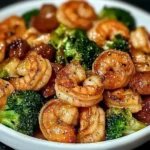
High-Protein Honey Garlic Shrimp: An Amazing Ultimate Recipe
Ingredients
- 1 pound large shrimp, peeled and deveined
- 1/4 cup honey
- 4 cloves garlic, minced
- 2 tablespoons soy sauce
- 1 tablespoon olive oil
- 1 teaspoon cornstarch (optional, for thickening)
- Salt and pepper to taste
- 2 green onions, sliced (for garnish)
- Sesame seeds (for garnish, optional)
Instructions
- Making High-Protein Honey Garlic Shrimp is straightforward. Follow these steps for best results:
- Rinse the shrimp under cold water and pat dry with paper towels.
- 2. Mix the Sauce: In a bowl, combine honey, minced garlic, soy sauce, and olive oil. If you prefer a thicker sauce, stir in cornstarch.
- 3. Cook the Shrimp: In a large skillet, heat some olive oil over medium-high heat. Add the shrimp in a single layer.
- 4. Season the Shrimp: Sprinkle the shrimp with salt and pepper to taste. Cook for 2-3 minutes until they start turning pink.
- 5. Add the Sauce: Pour the honey garlic mixture over the shrimp. Toss to ensure all pieces are coated evenly.
- 6. Let it Simmer: Lower the heat and let the shrimp simmer in the sauce for an additional 3-5 minutes, or until cooked through and the sauce has thickened.
- 7. Garnish: Remove from heat and garnish with sliced green onions and sesame seeds if desired.
- 8. Serve: Enjoy your dish immediately, while its still warm. By following these simple instructions, youll have a fabulous high-protein meal that dazzles and satisfies.