Table of Contents
Teriyaki Chicken Skewers with Homemade Sauce – Sticky, Sweet & Savory Perfection
I’ll never forget the first time I made teriyaki chicken skewers in my tiny New York City apartment. It was a rainy Sunday, and I was missing the vibrant, spice-laden markets of my childhood in Morocco. My mother would make lamb skewers over an open flame, basting them with a simple blend of cumin, coriander, and olive oil. That memory ignited something in me: I wanted to create a teriyaki version that captured that same char and sticky sweetness. The key, I realized, was a homemade teriyaki sauce that caramelizes beautifully on the grill. The result? The most delicious marinated teriyaki chicken grilled to perfection and finished with a rich, glossy sauce that clings to every bite. It’s a recipe that blends my Parisian training in sauce work with the soulful fire of my North African roots.
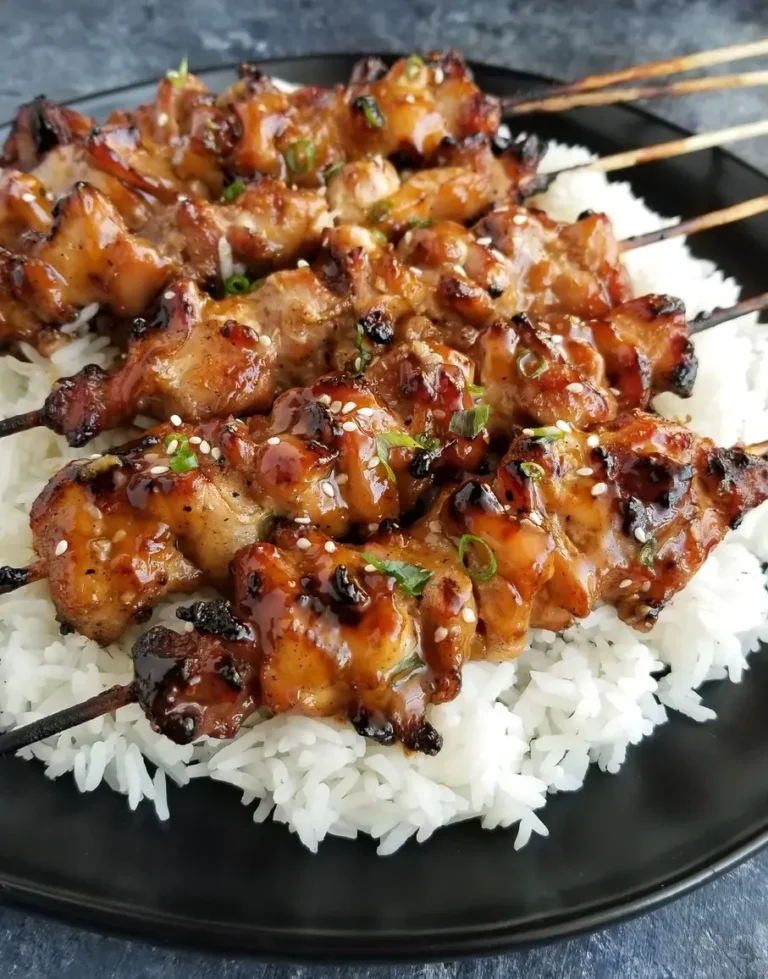
Imagine pulling these skewers off the grill: the chicken is deeply browned, edges slightly charred, glistening with a dark amber sauce. As you take a bite, the first thing you notice is the sweet-savory punch of soy and brown sugar, followed by a whisper of garlic and fresh ginger. The chicken is incredibly juicy—thanks to a quick cornstarch slurry that helps the sauce cling—and each piece is tender, with a slight chew from the thigh meat. A sprinkle of sesame seeds and a shower of chopped green onions add a nutty crunch and a fresh, sharp contrast. The aroma is intoxicating: smoky, sweet, and slightly garlicky, filling your kitchen with the scent of a summer cookout, no matter the season.
What sets my version of teriyaki chicken skewers apart is the two-part sauce method. I reduce half into a thick, concentrated glaze for basting and reserve the other half as a finishing sauce. This ensures every bite is packed with flavor, not watered down. In my years as a professional cook in NYC, I’ve learned that the secret to restaurant-quality teriyaki is patience with the sauce. I’ll show you Pierre’s Pro Tip for achieving that perfect sticky consistency without burning it, and also a common mistake that home cooks often make—skipping the cool-down step, which leads to a watery marinade. Trust me, follow these steps, and you’ll never go back to bottled teriyaki again.
Why This Teriyaki Chicken Skewers Recipe Is the Best
The Flavor Secret: The soul of this recipe is the homemade teriyaki sauce, which I learned to perfect during my time at Le Cordon Bleu in Paris. Most store-bought versions rely on high-fructose corn syrup and preservatives. I use a balanced blend of low-sodium soy sauce, brown sugar, honey, and fresh ginger—each ingredient playing a crucial role. The garlic adds depth, the rice vinegar cuts the sweetness, and the sesame oil brings a subtle nuttiness that ties everything together. It’s the same principle my mother used in Morocco: a few quality ingredients, layered carefully, make all the difference.
Perfected Texture: I insist on using chicken thighs for their superior moisture and flavor. When you marinate them in cooled sauce, the proteins absorb the flavors without becoming mushy. Grilling over medium heat—the same technique I use for lamb kebabs in Marrakech—creates a smoky char that contrasts with the tender interior. The cornstarch in the sauce creates a light coating that caramelizes beautifully on the grill, giving you that irresistible sticky glaze. I’ve tested this with chicken breasts too, but thighs are non-negotiable for the juiciest results.
Foolproof & Fast: This recipe is designed for busy weeknights or weekend entertaining. The sauce comes together in under 10 minutes, and the active grill time is only about 25 minutes. Even if you’re a beginner, the step-by-step instructions with visual cues ensure success. I’ve taught this to home cooks in my NYC cooking classes, and they always rave about how simple it is. The only patience required is letting the sauce cool completely before marinating—a small step that prevents a watery mess.
Teriyaki Chicken Skewers Ingredients
I source most of my ingredients from the Union Square Greenmarket or my local Asian grocery in Chinatown. The fresh ginger and garlic you grab there make all the difference. Growing up in Morocco, I remember my mother insisting on the freshest spices and aromatics from the souk—a lesson that’s stuck with me. For this recipe, you’ll need a few pantry staples and some fresh produce. Let’s dive into the list.
Ingredients List
- 2 lbs. chicken thighs (or breasts) (cut into 1″ cubes)
- 2 tbsp cornstarch
- 1 cup water
- 1/3 cup brown sugar
- 1/3 cup low-sodium soy sauce (recommended)
- 2 cloves garlic (minced)
- 1 tbsp rice vinegar
- 1/2 tbsp fresh ginger (minced)
- 1 tbsp honey
- 1/2 tsp sesame oil
- 8 skewers (wooden or metal)
- Sesame seeds (for garnish)
- Chopped green onions (for garnish)
Ingredient Spotlight
Low-Sodium Soy Sauce: This is my go-to for teriyaki. Full-sodium soy sauce can make the dish overwhelmingly salty, especially as the sauce reduces. Low-sodium allows the sweetness of the brown sugar and honey to shine while still delivering that savory umami punch. I always use Kikkoman or a high-quality Japanese brand. If you can only find full-sodium, reduce the amount by 1–2 tablespoons and add a splash of water to compensate.
Fresh Ginger: Ground ginger just won’t cut it here. Fresh ginger adds a bright, zesty warmth that’s essential to authentic teriyaki. I buy a knob from the market, peel it with a spoon, and mince it finely. A good trick: freeze the ginger and grate it directly—it releases more juice and avoids stringy bits. My Parisian chef taught me this, and it saves so much time.
Chicken Thighs: I strongly recommend boneless, skinless chicken thighs for their higher fat content, which keeps the meat juicy on the grill. Breasts can work but require careful monitoring to avoid drying out. If using breasts, pound them to even thickness and cut slightly larger cubes (1.5 inches) to prevent overcooking. In Morocco, we often use lamb or beef for skewers, but chicken thighs are a fantastic, budget-friendly American alternative.
| Original Ingredient | Best Substitution | Flavor / Texture Impact |
|---|---|---|
| Low-sodium soy sauce | Coconut aminos (tamari for GF) | Slightly sweeter, less salty; tamari is identical but gluten-free |
| Brown sugar | Honey or maple syrup | Honey adds floral notes; maple syrup gives a woodsy sweetness. Reduce liquid slightly. |
| Fresh ginger | 1/2 tsp ground ginger | Less bright, more earthy; use sparingly to avoid bitterness. |
| Rice vinegar | Apple cider vinegar or white wine vinegar | Slightly fruitier; white wine vinegar is more neutral. Use same amount. |
How to Make Teriyaki Chicken Skewers — Step-by-Step
Don’t worry—this is easier than you think! With a few simple steps, you’ll have the most incredible homemade teriyaki skewers that taste like they came from a Japanese grill house. Let me walk you through each stage with my chef-tested tips.
Step 1: Make the Teriyaki Sauce
In a small bowl, whisk together the cornstarch and 1/4 cup of the water until smooth. In a medium saucepan, combine the brown sugar, soy sauce, remaining 3/4 cup water, minced garlic, rice vinegar, minced ginger, honey, and sesame oil. Add the cornstarch slurry and stir well. Place the saucepan over medium heat and bring to a simmer, stirring frequently. Cook for 3–5 minutes until the sauce thickens slightly—it should coat the back of a spoon. The sauce will be dark brown and glossy. Remove from heat and let cool completely. To speed this up, transfer to the fridge for about 20 minutes.
💡 Pierre’s Pro Tip: Don’t walk away while the sauce simmers! If it boils too vigorously, the cornstarch can clump. Stir gently and constantly. For an even smoother sauce, strain it through a fine-mesh sieve after cooking.
Step 2: Marinate the Chicken
Once the sauce is completely cooled (this is crucial—warm sauce will cook the chicken’s exterior and create a gluey mess), place the cubed chicken in a large ziplock bag. Pour half of the sauce over the chicken. Seal the bag, removing as much air as possible, and gently massage to coat every piece. Refrigerate for at least 30 minutes, or up to 4 hours for deeper flavor. Reserve the remaining half of the sauce in a separate container for basting later.
⚠️ Common Mistake to Avoid: Marinating for too long (over 6 hours) can make the chicken mushy due to the acidic rice vinegar. Stick to the 30-minute minimum—it’s enough for the flavors to penetrate.
Step 3: Skewer and Prep the Grill
When the chicken is done marinating, preheat your grill to medium heat (about 350–375°F). If you’re using wooden skewers, soak them in water for at least 30 minutes beforehand to prevent burning. Thread the chicken cubes onto the skewers, leaving a small gap between each piece for even cooking. Don’t overcrowd—use 4–5 cubes per skewer. Lightly oil the grill grates with a paper towel dipped in vegetable oil to prevent sticking.
💡 Pierre’s Pro Tip: For even cooking, try to cut the chicken cubes into uniform 1-inch pieces. If some are larger, they’ll take longer to cook and may dry out the smaller ones.
Step 4: Grill the Skewers
Place the skewers on the preheated grill. Cook, turning every 3–4 minutes, until the chicken is cooked through and has an internal temperature of 165°F, about 20–30 minutes total. During the last 2–3 turns, baste the skewers with the reserved teriyaki sauce using a brush. Be careful not to apply too early—the sugar in the sauce can burn. The skewers are done when they’re nicely charred and the sauce is sticky and glossy.
⚠️ Common Mistake to Avoid: Basting too early! If you brush on the sauce in the first 10 minutes, the sugar will burn before the chicken is cooked. Wait until the last 5–7 minutes of grilling for that perfect caramelized finish.
Step 5: Rest and Serve
Remove the skewers from the grill and let them rest for 2–3 minutes. This allows the juices to redistribute. Transfer to a platter, sprinkle generously with sesame seeds and chopped green onions. Serve immediately over steamed rice or alongside your favorite sides. The aroma will have everyone gathering around the table!
💡 Pierre’s Pro Tip: For an extra layer of flavor, brush the hot skewers with a little extra reserved sauce right before serving. It’s like a final glaze that makes them shine.
| Step | Action | Duration | Key Visual Cue |
|---|---|---|---|
| 1 | Make the sauce | 5 mins | Sauce thickens and coats spoon; dark brown color |
| 2 | Marinate chicken | 30+ mins | Chicken evenly coated, no pooling liquid |
| 3 | Skewer & prep grill | 10 mins | Uniformly threaded skewers; grill at medium heat |
| 4 | Grill & baste | 20–30 mins | Internal temp 165°F; charred edges; sticky glaze |
| 5 | Rest & serve | 2–3 mins | Juices run clear; shiny surface with garnishes |
Serving & Presentation
I love serving these skewers family-style on a large wooden platter, reminiscent of the mezze spreads in Tangier. The contrast of the dark, glossy chicken against white rice is stunning. For an extra touch, I often add a small bowl of extra teriyaki sauce for dipping, along with pickled ginger and a side of steamed edamame. The freshness of the green onions and the nuttiness of sesame seeds make every bite pop.
When I host backyard barbecues in Brooklyn, I pair these skewers with a crisp cucumber salad or a simple Asian slaw with rice vinegar dressing. For a heartier meal, serve them over coconut rice or with grilled pineapple slices. The sweetness of the pineapple echoes the honey in the sauce, creating a beautiful harmony. In Paris, we’d serve this with a glass of chilled Sancerre, but for NYC I recommend a cold Japanese rice lager or a dry rosé.
| Pairing Type | Suggestions | Why It Works |
|---|---|---|
| Side Dish | Steamed jasmine rice, cucumber salad, grilled pineapple | Rice soaks up the sauce; cucumber adds crunch; pineapple mirrors sweetness |
| Sauce / Dip | Extra teriyaki sauce, sriracha mayo, spicy peanut sauce | Adds heat and creaminess; peanut sauce offers nutty contrast |
| Beverage | Japanese rice lager, dry rosé, iced green tea | Crisp beers cut sweetness; rosé’s acidity balances; tea is refreshing |
| Garnish | Toasted sesame seeds, sliced green onions, micro cilantro | Adds visual appeal, texture, and fresh herbal notes |
Make-Ahead,
Print
Teriyaki Chicken Skewers
Description
The most delicious marinated teriyaki chicken grilled to perfection and finished with a delicious teriyaki sauce. Serve with a sprinkle of sesame seeds, fresh chopped green onions over steamed rice.
Ingredients
Scale
- 2 lbs. chicken thighs (or breasts) (cut into 1" cubes)
- 2 tbsp cornstarch
- 1 cup water
- 1/3 cup brown sugar
- 1/3 cup soy sauce (*low sodium recommended )
- 2 cloves garlic (minced )
- 1 tbsp rice vinegar
- 1/2 tbsp fresh ginger (minced )
- 1 tbsp honey
- 1/2 tsp sesame oil
- 8 skewers
- sesame seed
- chopped green onion
Instructions
- First make the sauce: Combine cornstarch and water in a small bowl. In a medium saucepan, add remaining ingredients along with the cornstarch/water mixture. Stirring frequently, bring sauce to a simmer. Cook until sauce lightly thickens. Sauce will be dark brown. Once sauce has thickened up, remove from heat and let cool completely. (place in fridge to speed up the process)
- Once the sauce is completely cooled, place cubed chicken in a large ziplock bag. Pour half of the sauce over the chicken and gently shake to coat chicken. Let chicken marinate in the fridge for at least 30 minutes. Place remaining sauce aside for later.
- When the chicken is done marinating, place your chicken on skewers and heat the grill to medium heat.
- Once the grill is hot, place skewers on lightly oiled grill. Turn the skewers every 3-4 minutes until the chicken is cooked through (internal temp 165 degrees), about 20-30 minutes. During the last few turns baste with remaining teriyaki sauce.
- Remove skewers from grill and serve with chopped green onion and a sprinkle of sesame seeds(optional).
Teriyaki Chicken Skewers
Description
The most delicious marinated teriyaki chicken grilled to perfection and finished with a delicious teriyaki sauce. Serve with a sprinkle of sesame seeds, fresh chopped green onions over steamed rice.
Ingredients
- 2 lbs. chicken thighs (or breasts) (cut into 1" cubes)
- 2 tbsp cornstarch
- 1 cup water
- 1/3 cup brown sugar
- 1/3 cup soy sauce (*low sodium recommended )
- 2 cloves garlic (minced )
- 1 tbsp rice vinegar
- 1/2 tbsp fresh ginger (minced )
- 1 tbsp honey
- 1/2 tsp sesame oil
- 8 skewers
- sesame seed
- chopped green onion
Instructions
- First make the sauce: Combine cornstarch and water in a small bowl. In a medium saucepan, add remaining ingredients along with the cornstarch/water mixture. Stirring frequently, bring sauce to a simmer. Cook until sauce lightly thickens. Sauce will be dark brown. Once sauce has thickened up, remove from heat and let cool completely. (place in fridge to speed up the process)
- Once the sauce is completely cooled, place cubed chicken in a large ziplock bag. Pour half of the sauce over the chicken and gently shake to coat chicken. Let chicken marinate in the fridge for at least 30 minutes. Place remaining sauce aside for later.
- When the chicken is done marinating, place your chicken on skewers and heat the grill to medium heat.
- Once the grill is hot, place skewers on lightly oiled grill. Turn the skewers every 3-4 minutes until the chicken is cooked through (internal temp 165 degrees), about 20-30 minutes. During the last few turns baste with remaining teriyaki sauce.
- Remove skewers from grill and serve with chopped green onion and a sprinkle of sesame seeds(optional).