Table of Contents
Homemade Tartar Sauce Recipe – 5-Minute Creamy Dip
This homemade Tartar Sauce is one of my favorite condiments to make at home. It’s ready in 5 minutes and has all of the classic flavors of store-bought or restaurant tartar sauce using just 7 ingredients! I remember watching my mother in our tiny Moroccan kitchen whip up fresh sauces with whatever she had on hand—always with a vibrant, bright finish. Now, living in New York City, I’ve taken that same playful spirit and blended it with French technique to create a tartar sauce that’s creamy, tangy, and bursting with dill and lemon. This five-minute recipe is a game-changer for fish fries, fried chicken, and even as a dip for crunchy veggies. No more boring store-bought jars—this version is fresher, more flavorful, and so simple you’ll never go back.
The first time I made this tartar sauce for a dinner party in my Brooklyn apartment, the guests couldn’t stop raving about how bright and clean it tasted. The key is the double-hit of dill—from both the relish and the fresh herb—which adds a garden-fresh complexity that jarred sauces lack. The lemon juice cuts through the richness of the mayonnaise, while a hint of horseradish (or stone ground mustard) gives it a gentle kick that wakes up your palate. It’s creamy without being heavy, tangy without being sharp, and the little pops of pickle brine are pure joy. One spoonful, and you’ll taste years of my training from Paris and Morocco.
I’ve been a professional cook for over 15 years, and I’ve learned that the best condiments are about balance. In this recipe, the sugar isn’t for sweetness—it’s to round out the acidity and enhance the savory notes. My secret touch is adding a pinch of black pepper that I grind right over the bowl, to give it a subtle warmth. Many home cooks make the mistake of using sweet pickle relish, which throws off the entire flavor profile. Stick with dill relish, and you’ll get that classic, unmistakable tartar sauce taste. This is one of those quick sauces that will become your go-to—I promise.
Why This Tartar Sauce Recipe Is the Best
The flavor secret here is my Parisian technique of balancing acidity with a touch of sugar—something I learned at Le Cordon Bleu while mastering sauces. Most home recipes rely on straight mayonnaise and relish, but I add a squeeze of fresh lemon juice and a whisper of sugar to brighten everything without making it sweet. This creates a tartar sauce that tastes like it came from a fine-dining seafood restaurant. With roots in Morocco, I also know the power of fresh herbs, so the fresh dill is non-negotiable here. It elevates the entire dip into something aromatic and deeply satisfying.
The texture is another reason this recipe wins. I use full-fat mayonnaise (never Miracle Whip) because it gives a luxuriously smooth base that clings perfectly to fish or potato wedges. The relish adds little chunks of pickle, while the fresh dill gives it a delicate, almost feathery feel. In my NYC kitchen, I’ve found that letting the sauce rest for ten minutes before serving helps the flavors meld together beautifully. It’s thick enough to stay on your taco but fluid enough to dip a flaky piece of cod without breaking apart.
Foolproof and fast—this is what I tell my cooking students in Manhattan. You literally just stir everything together in one bowl. No cooking, no soaking, no waiting. It works for beginner cooks and busy families alike. I’ve demonstrated this recipe on my blog spicemingle.com, and hundreds of readers have told me it’s the only tartar sauce they’ll ever need. This homemade version also lets you control the salt and sugar, making it far healthier than the preservative-laden stuff from the grocery store. Plus, it stays fresh in the fridge for up to a week—perfect for meal prep your weeknight fish sticks.
Tartar Sauce Ingredients
I always buy my mayonnaise from the local deli in my neighborhood—it’s got a rich, eggy flavor that really shines. In the summer, I head to the Union Square Greenmarket for fresh dill and bright lemons; it feels like a little taste of my mother’s kitchen in Marrakech. The dill relish comes from my local grocery, but I always check the label to make sure it’s not sweetened. These simple ingredients come together to create a tartar sauce that’s far greater than the sum of its parts.
Ingredients List
- 1 cup mayonnaise (not Miracle Whip)
- ½ cup dill relish
- 1 tablespoon freshly chopped dill
- 1 tablespoon freshly squeezed lemon juice
- 1 teaspoon horseradish (or stone ground mustard)
- 1 teaspoon granulated sugar (or more to taste)
- ¼ teaspoon black pepper
Ingredient Spotlight
Mayonnaise – This is the backbone of your tartar sauce. Use full-fat, high-quality mayo like Hellmann’s or a brand from your local deli. Avoid low-fat versions, which tend to be watery and thin. For a richer, more European-style sauce, you can use a homemade aioli, but store-bought works wonderfully. The fat in the mayo carries the flavors and gives that silky mouthfeel we all love.
Dill relish – This is what gives tartar sauce its classic tangy-pickle character. I prefer a relish made with cucumbers and dill seed, not sweet relish. The brininess brightens the sauce and adds texture. If you can’t find dill relish, you can finely chop dill pickles (about ½ cup) and use that instead—it’s an easy swap that delivers the same result.
Fresh dill – The double-dill approach is my signature technique. The fresh herb adds a bright, anise-like freshness that dried dill just can’t replicate. When I chop it, I pretend I’m back in Paris, prepping herbs for a classic sauce gribiche. Look for dill with no wilting leaves, and use the feathery fronds. If you need a substitute, fresh tarragon or chervil work nicely, though the flavor will shift a bit.
Lemon juice – Always use fresh-squeezed, not bottled. The acidity helps balance the richness and keeps the sauce lively. I roll the lemon on the counter before cutting—this breaks down the membranes and yields more juice. In a pinch, you can use white vinegar, but lemon is my preferred choice for its bright, clean finish.
Horseradish – A surprising yet crucial ingredient. It adds a gentle heat that cuts through the fat without overwhelming the palate. If you’re not a fan of horseradish, stone ground mustard is a fantastic substitute—it provides a similar tangy kick and a little texture. This is a tip I picked up from a chef friend in Brooklyn who works with fried fish.
| Original Ingredient | Best Substitution | Flavor / Texture Impact |
|---|---|---|
| Mayonnaise | Full-fat Greek yogurt (for lighter version) | Tangier, less creamy, thinner texture |
| Dill relish | Finely chopped dill pickles | Same briny taste, slightly chunkier |
| Fresh dill | Dried dill (use 1 tsp) | Less vibrant, slightly more earthy |
| Lemon juice | White vinegar (use 2 tsp) | Sharper acidity, less fresh taste |
| Horseradish | Stone ground mustard | Milder heat, adds mustard seed texture |
How to Make Tartar Sauce — Step-by-Step
Making this tartar sauce is almost embarrassingly easy, which is exactly why I love it. Let me walk you through the simple steps so you get it perfect every time—even if you’re new to making sauces at home.
Step 1: Combine All Ingredients
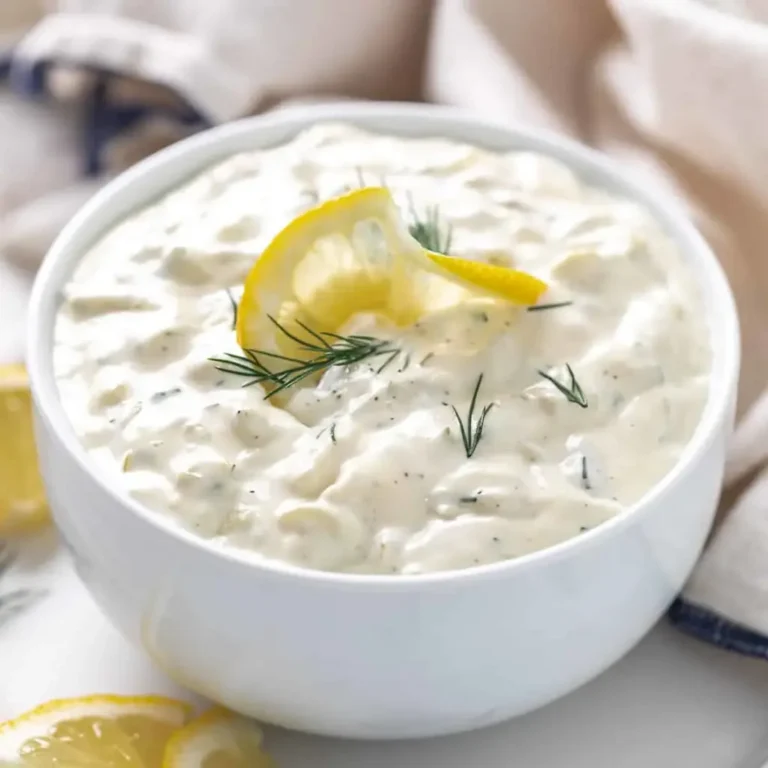
In a medium mixing bowl, add 1 cup mayonnaise, ½ cup dill relish, 1 tablespoon fresh dill, 1 tablespoon lemon juice, 1 teaspoon horseradish, 1 teaspoon sugar, and ¼ teaspoon black pepper. Stir everything together with a rubber spatula or wooden spoon until fully combined. You should see a uniform, creamy pale green color with little flecks of pickle. This takes about 60 seconds.
💡 Pierre’s Pro Tip: Use a spatula that can scrape the sides of the bowl—this ensures every bit of horseradish and dill get mixed in evenly. Don’t over-stir, though; you want the relish pieces to remain distinct for texture.
Step 2: Season and Adjust
Taste the sauce and adjust the seasonings to your preference. If you like a stronger lemon flavor, add another squeeze (about ½ tablespoon). For more sweetness, add another pinch of sugar. If you want extra heat, stir in a bit more horseradish. That’s it—your homemade tartar sauce is ready to serve or refrigerate.
⚠️ Common Mistake to Avoid: Don’t skip the tasting step! Many people assume the ratios are perfect, but relishes vary in saltiness and sweetness. Tasting ensures you balance the acidity and sugar to your liking.
| Step | Action | Duration | Key Visual Cue |
|---|---|---|---|
| 1 | Combine all ingredients in a bowl | 1 minute | Uniform creamy color with relish flecks |
| 2 | Taste and adjust seasonings | 30 seconds | Balanced tangy, slightly sweet flavor |
Serving & Presentation
I love serving this tartar sauce in a small white bowl with a tiny ramekin of extra dill on the side—it’s a nod to the pretty, family-style plating I saw in Parisian bistros. For weeknight dinners, simply spoon it directly onto fish or chicken. For a more elevated touch, serve it in a hollowed-out lemon half or a small ceramic dish, garnished with a sprig of fresh dill. The visual contrast of the pale green sauce against a dark plate is stunning—my Instagram followers go crazy for it.
This sauce is incredibly versatile. I grew up eating fried fish with a tangy dip in Morocco, and this tartar sauce pairs beautifully with the same things here in NYC. It’s a classic companion for crispy fish and chips, but also works wonders with baked cod, fried calamari, or even as a spread on a grilled fish sandwich. For a lighter meal, use it as a dip for fresh veggies like carrot sticks, celery, and cucumber—it’s a hit at summer parties. The texture holds up well at room temperature, so you can take it to potlucks without worry.
| Pairing Type | Suggestions | Why It Works |
|---|---|---|
| Side Dish | Crushed roasted potatoes, coleslaw, or corn on the cob | Creamy and tangy sauce complements earthy, crunchy sides |
| Sauce / Dip | For fish tacos, chicken tenders, or shrimp chips | Adds bright contrast to crispy and fried foods |
| Beverage | A crisp pilsner, iced tea, or Sauvignon Blanc | The acidity in the sauce pairs well with light, citrusy drinks |
| Garnish | Fresh dill sprigs, lemon wedges, a dash of paprika | Enhances visual appeal and adds fresh flavor |
Make-Ahead, Storage & Reheating
One of the best things about this homemade tartar sauce is how perfectly it fits into a busy NYC lifestyle—I often make a batch on Sunday to use throughout the week. It only gets better as it sits, with the flavors melding together beautifully in the fridge. Here’s how to store it for maximum freshness.
| Method | Container | Duration | Reheating Tip |
|---|---|---|---|
| Refrigerator | Airtight glass jar or container | Up to 7 days | No reheating needed—serve cold |
| Freezer | Freezer-safe, airtight container | Up to 3 months | Thaw overnight in fridge; whisk before serving |
| Make-Ahead | Covered bowl in fridge | Up to 4 days in advance | Stir before serving; add a pinch of dill to refresh |
When freezing, note that the texture might separate slightly upon thawing, so give it a good stir to re-emulsify. I’ve found that adding a tiny splash of lemon juice after thawing restores the brightness. If you’re making it in advance for a special meal, don’t add the fresh dill until just before serving—it stays prettier and greener. This tartar sauce is also fantastic as a dip for crudités or as a spread for sandwiches, so I often pack it in a small jar for weekday lunches.