Table of Contents
Best Ever Tuna Noodle Casserole (From‑Scratch) – Mom’s Comfort Bowl
When I first stepped into my mother’s Marrakech kitchen, the scent of saffron‑infused tagines and freshly baked bread wrapped around me like a warm hug. That same aroma still lingers in my New York apartment, reminding me that comfort can travel across borders. Today, I’m sharing a tuna noodle casserole that fills me with that nostalgic feeling, but with a fresh twist: a from‑scratch, creamy sauce that elevates the classic American comfort dish.
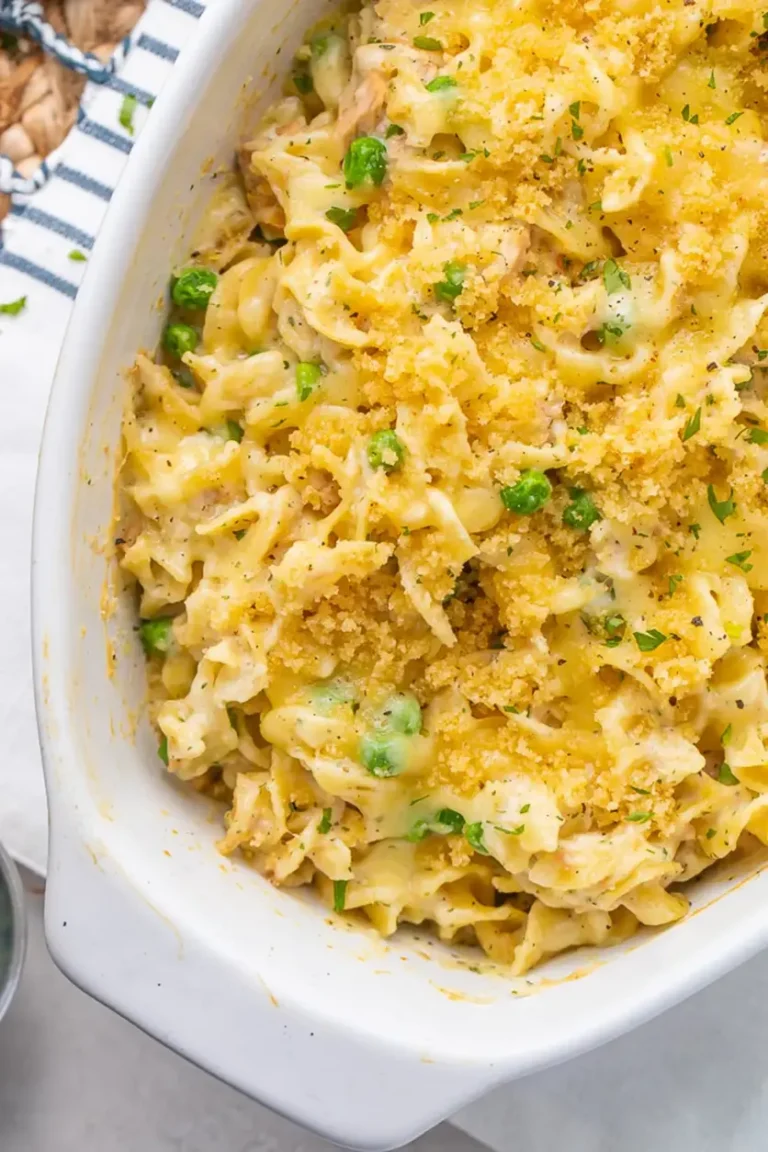
Picture a golden, velvety cheese sauce shimmering over al dente egg noodles, studded with bright green peas and chunked tuna. The crusty, buttery breadcrumb topping crackles with hints of toasted olive oil, while a sprinkle of parsley pops in bright green. Each forkful combines the hearty comfort of a family Sunday dinner with a subtle Moroccan heat from a whisper of paprika, a nod to my heritage that you’ll taste without even realizing it.
I’ve perfected this version after decades of experimenting in both Parisian kitchens and bustling NYC markets. The key to a silky sauce is a proper roux, treated with patience, and the secret to effortless assembly is this step‑by‑step method that keeps the casserole from turning into a nightmare. If you’re ready for a recipe that’s quick to prep yet full of flavor, stay tuned for my pro tip that will make you wonder how you ever cooked without it.
Why This Best Ever Tuna Noodle Casserole Recipe Is the Best
The flavor secret lies in the sauce: by starting with a simple beurre‑frire and letting the flour brown slightly, I create a nutty base that lifts the cheddar into creamy, luxurious heights. The Moroccan touch of a pinch of paprika connects the dish to my early childhood feasts, while the gentle French touch of simmering the sauce on medium heat ensures a velvety finish.
Perfected texture is achieved by cooking the noodles al dente and then chilling them quickly in cold water to halt the cooking process. This trick gives the noodles a resilient bite that bravely holds the heavy cheese sauce, peas, and tuna without becoming mushy—a textural harmony that even a seasoned chef would applaud.
Foolproof & fast: every step uses everyday pantry staples and avoids pricey out‑of‑the‑way ingredients. The step‑by‑step layout keeps you organized, and the timeline reinforces that you can finish the entire dish in less time than it takes to brew a perfect cup of Moroccan mint tea.
Tuna Noodle Casserole Ingredients
I source my ingredients from two beloved places: the bright aisles of the Union Square Greenmarket for fresh produce and the historic Fairmont Foods on 5th Avenue for pantry staples that have stood the test of time. The memories of rolling through those aisles while my mom whispered stories about her own childhood in Casablanca make each bite truly special.
Ingredients List
- 8 cups water
- ½‑1 tablespoon salt (to taste)
- 8 ounces uncooked egg noodles
- 5 tablespoons unsalted butter (room temperature)
- 5 tablespoons all‑purpose flour
- 2 ½ cups whole milk (room temperature)
- ½ teaspoon salt (more or less to taste)
- ¼ teaspoon freshly ground black pepper
- ½ teaspoon garlic powder
- 1 teaspoon dried parsley (optional)
- 1 cup shredded fresh cheddar cheese
- 1 5‑ounce can chunk light tuna in water (drained, flaked)
- ¾ cup frozen green peas
- ½ cup shredded fresh cheddar cheese (for topping)
- 1 tablespoon unsalted butter (for breadcrumbs)
- 2 tablespoons breadcrumbs
- 1 large pinch salt (to taste)
- Chopped fresh parsley (for garnish)
Ingredient Spotlight
Egg Noodles – Choose sturdy egg noodles that hold up to the sauce. Freshly rolled noodles give a silkier bite, but store‑bought with a high egg content performs best. Substitution: use thin spaghetti for a lighter texture, though the sauce may cling differently.
Tuna – Opt for lean, packed in water to keep the casserole from becoming too salty. Fresh tuna, available at the seafood counter, is a lux upgrade, though canned tuna remains a classic. Substitution: try smoked cod for an umami edge.
Cheddar Cheese – A sharp, aged cheddar introduces depth; if you prefer a milder note, use a Monterey‑Jack blend. Substitution: mozzarella adds stretch but less flavor—mix with a small amount of gouda for a balanced melt.
Breadcrumbs – Plain or Italian‑seasoned both work, but husked breadcrumbs add a lighter crunch. Substitution: panko for extra corniness, or crushed crackers for a savory bite.
Whole Milk – Provides a subtle dairy richness. Substitution: half‑and‑half for a creamier feel or oat milk for a dairy‑free version.
| Original Ingredient | Best Substitution | Flavor / Texture Impact |
|---|---|---|
| Egg Noodles | Spaghetti | Lower chewiness; sauce clings less |
| Whole Milk | Half‑and‑half | Creamier, richer sauce |
| Breadcrumbs | Panko | Crispier crumb |
How to Make Best Ever Tuna Noodle Casserole — Step-by-Step
Let’s dive into a streamlined, foolproof recipe that gives you a comforting casserole without the fuss.
Step 1: Brew Water and Cook Noodles
Pour 8 cups of water into a large pot, add ½‑1 tablespoon of salt, and bring to a rolling boil over medium‑high heat. Add 8 ounces of egg noodles, stir, and cook for the shortest time indicated on the package—usually 7–8 minutes. Once done, drain and rinse with cold water to stop cooking.
💡 Pierre’s Pro Tip: Rinsing noodles with ice water helps them hold their shape, preventing them from becoming gummy when baked.
Step 2: Transfer to Casserole Dish
Gently toss the cooked noodles in a bowl with a splash of butter, then spoon them into a 9‑by‑13‑inch baking dish, spreading them evenly. Set aside while you preheat the oven to 350°F.
⚠️ Common Mistake to Avoid: Over‑saucing the noodles before baking; it will make the casserole soggy.
Step 3: Make the Roux
In a medium saucepan, melt 5 tablespoons of unsalted butter over low heat until nearly melted. Whisk in 5 tablespoons of all‑purpose flour until the mixture is smooth and turns a light golden brown, about 1 minute.
💡 Pierre’s Pro Tip: A lightly toasted roux adds a nutty undertone that balances the sharpness of cheddar.
Step 4: Add Milk Gradually
Remove the pan from heat and slowly whisk in 2 ½ cups of whole milk in small increments, stirring constantly to avoid lumps. Return the pan to medium heat and let the sauce thicken, whisking continuously.
⚠️ Common Mistake to Avoid: Adding milk too quickly, which can cause lumps or uneven thickness.
Step 5: Season the Sauce
Stir in ½ teaspoon salt, ¼ teaspoon pepper, ½ teaspoon garlic powder, and 1 teaspoon dried parsley. Keep whisking until the seasonings are fully incorporated and the sauce is silky smooth.
💡 Pierre’s Pro Tip: Adjust salt after adding cheese; it’s easier to reduce than to correct an over‑salted casserole.
Step 6: Melt the Cheese
Lower the heat to low, and add 1 cup shredded cheddar cheese in small bursts, whisking each addition until the cheese melts completely but doesn’t boil.
⚠️ Common Mistake to Avoid: Allowing the cheese to boil, which gives the sauce a gritty texture.
Step 7: Combine All Ingredients
Pour the hot cheese sauce over the noodle bed, then fold in the flaked tuna and frozen peas. Mix gently to ensure everything is evenly coated. Spread the mixture evenly across the baking dish.
💡 Pierre’s Pro Tip: Use a non‑stick spatula to gently fold ingredients; it keeps the casserole moist and prevents sticking.
Step 8: Bake First 15 Minutes
Place the casserole in the preheated oven and bake for 15 minutes. This allows the base to set while you prepare the breadcrumb topping.
⚠️ Common Mistake to Avoid: Baking too long at this stage; the cheesy coating could burn before the topping sets.
Step 9: Prepare Breadcrumb Topping
Melt 1 tablespoon of butter in a microwave-safe bowl in 15‑second bursts, stirring each time until melted but not bubbling. Stir in 2 tablespoons of breadcrumbs and a pinch of salt until fully blended.
💡 Pierre’s Pro Tip: Using a micro‑bowl keeps the butter buttered evenly, preventing clumpy crumbs.
Step 10: Add Cheese and Breadcrumbs, Bake Final 5 Minutes
Remove the casserole from the oven, sprinkle ½ cup of shredded cheddar on top, then evenly sprinkle the breadcrumb mixture. Return to the oven and bake another 5 minutes, or until the cheese is bubbly and the breadcrumbs golden.
⚠️ Common Mistake to Avoid: Overbaking; it dries out the casserole and can make the breading overly crisp.
Step 11: Rest and Garnish
Remove the dish from the oven and let it rest for 3‑5 minutes. Garnish with chopped fresh parsley before serving.
💡 Pierre’s Pro Tip: A short resting period allows the casserole to set, making it easier to cut clean slices.
| Step | Action | Duration | Key Visual Cue |
|---|---|---|---|
| 1 | Boil water & pasta | Noodles pop; water bubbling | Swirl pasta in pot |
| 2 | Transfer to dish | Even layer, no clumps | Noodles lying flat |
| 3 | Make roux | Butter melts, just become golden | Light browning flourish |
| 4 | Add milk gradually | Consistent thickening | Smooth brown steam |
| 5 | Season sauce | Fragrant steam rises | Cook aromas |
| 6 | Add cheese | Cheese melts fully | Glossy golden surface |
| 7 | Combine all ingredients | Uniform coating | Creamy white milk overlay |
| 8 | Bake 15 min | Cheese surface begins to brown | First golden flash |
| 9 | Prepare breadcrumb topping | Butter melts perfectly | Golden crumbs |
| 10 | Add cheese & breadcrumbs; bake 5 min | Crackling surface | Golden topping |
| 11 | Rest & garnish | Gentle settling | Fresh parsley flourish |
Serving & Presentation
When the casserole emerges from the oven, it glistens like a golden holiday mantle. Slice large, hearty portions and serve hot to keep that rich, comforting texture. Pair it with a crisp green salad dressed in a simple vinaigrette to cut through the creaminess—this combination brings a bright, airy counterpoint reminiscent of rooftop garden salads I enjoy after a bustling NYC lunch.
A squeeze of fresh lemon over the top brightens the dish, with a tang that echoes the sharp citrus from old‑world markets. Tuck a side of crusty baguette or a scoop of herbed rice, and you’ll have a meal that feels both nostalgic and modern.
| Pairing Type | Suggestions | Why It Works |
|---|---|---|
| Side Dish | Light cucumber salad, roasted carrot slaw | Crunchy texture contrasts the creamy casserole |
| Sauce / Dip | Garlic aioli, tangy lemon yogurt dip | Adds a bright, herby note that divides flavors |
| Beverage | Espresso‑infused iced coffee, crisp white wine | Acids cut through richness, caffeine lifts mood |
| Garnish | Fresh thyme sprigs, lemon zest, micro‑greens | Visual pop and aromatic lift to the finished plate |
Make‑Ahead, Storage & Reheating
I keep my life streamlined by preparing this casserole the night before in a single pan, then simply reheating it on the weekend for a quick lunch. The method keeps the texture intact and lets the flavors develop further.
| Method | Container | Duration | Reheating Tip |
|---|---|---|---|
| Refrigerator | Oven‑safe glass dish (9×13) | 3‑4 days | Reheat 15‑20 mins at 350°F, add a splash of milk to keep sauce silky. |
| Freezer | Plastic freezer bag (double‑sealed) | Up to 2 months | Thaw overnight; bake warm from frozen at 375°F for 25‑30 min. |
| Make‑Ahead | Pre‑bake casserole, assemble garnish separately | 1‑2 days in advance | Store garnish in airtight container; assemble on serving day. |
When I don’t have time to bake a whole casserole from scratch, I simply scoop out portions into a small oven‑safe dish, top with cheese and breadcrumbs, and bake until hot. The whole process takes less than ten minutes, making it perfect for a quick weekday meal.
Variations & Easy Swaps
| Variation | Key Change | Best For | Difficulty Impact |
|---|---|---|---|
| Cheese Swap | Use a blend of Gruyère & Parmesan for depth | Cheesier crowd‑pleasing dinner | Easy |
| Gluten‑Free | Swap noodles for gluten‑free penne; use wheat‑free flour | Allergy travelers | Medium (measure flour conversion) |
| Seasonal Twist | Add roasted butternut squash & sage | Fall‑season flavor | Easy |
Cheese Swap
Mixing Gruyère and Parmesan for the base and topping gives the casserole a smoked, nutty undertone that pairs exceptionally well with the mild tuna, while the Parmesan adds a subtle tang that lifts the whole dish.
Gluten‑Free / Dairy‑Free
Swap the egg noodles for a certified gluten‑free penne and replace wheat flour with rice flour. The texture stays firm, and the sauce remains smooth; however, use a 1:1 substitution ratio to maintain consistency.
Seasonal Twist
Roasted butternut squash cubes and a hint of fresh sage infused into the sauce give the casserole a sweet‑earthy tone that feels like a cozy autumn dinner. It’s a fun way to use seasonal produce from the Brooklyn farmers market.
Can I use canned tuna in this casserole?
Yes, canned tuna is definitely acceptable and is the traditional choice for many homemade casseroles. To keep the dish from becoming overly salty, drain the tuna well and give a final rinse with a little water or a splash of lemon juice. It will still deliver the protein and flavor profile that makes this recipe comforting.
What’s the best way to keep the casserole from being soggy?
The key to avoiding sogginess is to cook the noodles short, let them cool quickly with cold water, and avoid adding too much liquid after the sauce has thickened. When you fold the tuna and peas into the sauce, aim for a thin uniform layer. That way the heat penetrates the noodle bed evenly, giving you a crisp top and a moist interior.
Can I customize the seasoning?
Absolutely! The suggested seasoning set is merely a starting point. If you love a little heat, add a pinch of cayenne or smoked paprika; for a fresher herb profile, sprinkle in chopped dill or basil. The creamy sauce is forgiving, so feel free to experiment until you hit your palate’s sweet spot.
How long does this casserole keep in the fridge?
You can store this casserole in an airtight container in the refrigerator for up to four days. Shake the container as you chill to keep the sauce from separating. When you’re ready to eat, reheating at 350°F for 15–20 minutes is the ideal method to revive the crisp topping without drying out the noodles.
What can serve as a side dish with this casserole?
A light green salad tossed with a citrus vinaigrette offers a refreshing counterpoint. Else, roasted sweet potato wedges, steamed asparagus, or even a warm bowl of carrot‑roasted lentils work beautifully to round out the meal. If you’re in the mood for more carbs, a slice of crusty bread or a small portion of buttery garlic rice does wonders.
Can I double this recipe to feed a crowd?
Yes, simply double everything and bake in a larger dish or use two standard dishes. If you prefer to keep it in one bowl, enlarge the baking pan to 12×9 inches and double your baking time by 5 minutes. Doubling the sauce gives the noodles plenty of coverage, ensuring they stay moist and flavorful when served.
What’s the best way to achieve a crispy breadcrumb topping?
Use a small amount of clarified butter or a drizzle of olive oil to coat the breadcrumbs in the bowl before adding them on top of the casserole. Combine them just before the final 5 minute bake, and watch them dry to a golden crisp. If you’re extra enthusiastic, finish the casserole under the broiler for 1–2 minutes until that top is irresistibly crunchy.
Does this casserole need an extra cheese layer?
The recipe adds a second layer of shredded cheddar for a melt‐in‑your‑mouth finish. However, if you’d rather keep it lighter, you can reduce or even eliminate that top layer. Your casserole will still be creamy and delicious; just expect a slightly softer, less caramelized surface that still tastes amazing.
What wine pairs well with this dish?
A medium‑bodied Chardonnay or a light‑to‑medium Pinot Gris complements the rich, cheesy sauce nicely. If you prefer red, choose a velvety Merlot or a light‑red Zinfandel that won’t overpower the tuna’s gentleness. For a non‑alcoholic option, an iced tea infused with lemon or a sparkling apple cider offers a refreshing contrast.
Can I use a different protein instead of tuna?
Yes, roasted chicken, flaky cod, or even lentils make delightful substitutes. If you go with chicken, use a single boneless cooked breast lovingly shredded. For cod, gently poach and flake; it will soften the casserole’s texture. Lentils add a hearty, wholesome twist with minimal extra prep time.
Share Your Version!
Drop a rating, leave a comment, or tell me how you tweaked the recipe to suit your taste. Every time you share, I get a little buzz of excitement—like a fresh pot of mint tea brewing in a small, cozy kitchen.
If you head to Instagram or Pinterest and tag me @spicemingle, I’ll feel like I’m right there with you, anthropomorphizing the spices in your kitchen. And do you know what’s interesting? When I tell my neighbors I swapped the breadcrumbs for rye crumbs, they insisted on tasting it with a slice of citrus Ziti! The culinary conversation never stops.
From my NYC kitchen to yours — I hope this recipe brings as much warmth to your table as it does to mine. — Pierre 🧡
Love This Recipe? Save It to Pinterest!
If you enjoyed this Best Ever Tuna Noodle Casserole recipe, don’t let it get lost in your browser tabs! 😄 Pin it now so you can find it again anytime — and explore hundreds more tried‑and‑tested recipes waiting for you on my Pinterest boards.
👉 Follow Pierre on Pinterest @exorecipe
📌 Pin this recipe · 🔁 Re‑pin your favorites · 💬 Tag me when you make it — I love seeing your creations!
💬 Drop your thoughts, tweak ideas, or a photo of your final bite in the comments below—just like a hug over the phone from my mom. Let’s keep the conversation going!

Best Ever Tuna Noodle Casserole (Just Like Mom Made!)
Description
No canned soup here! This from-scratch tuna noodle casserole is just like my mom (and grandma!) used to make, with a creamy sauce, egg noodles, green peas, and tuna, topped with buttery breadcrumbs.
Ingredients
- 8 cups water
- ½–1 tablespoon salt
- 8 ounces uncooked egg noodles (see Notes)
- 5 tablespoons unsalted butter (at room temperature)
- 5 tablespoons all-purpose flour (see Notes)
- 2 ½ cups whole milk (at room temperature)
- ½ teaspoon salt (more or less to taste)
- ¼ teaspoon freshly ground black pepper (more or less to taste)
- ½ teaspoon garlic powder
- 1 teaspoon dried parsley (optional)
- 1 cup shredded fresh cheddar cheese (at room temperature)
- 1 5-ounce can chunk light tuna in water (drained, flaked; see Notes)
- ¾ cup frozen green peas
- ½ cup shredded fresh cheddar cheese (at room temperature)
- 1 tablespoon unsalted butter
- 2 tablespoons breadcrumbs (plain or Italian seasoned; see Notes)
- 1 large pinch salt (more or less to taste)
- chopped fresh parsley
Instructions
- Add 8 cups water to large pot and place pot on stovetop over medium-high heat. Bring water to boil, then add ½-1 tablespoon salt. Stir to incorporate.
- When salted water begins to boil, add 8 ounces uncooked egg noodles and stir to incorporate. Boil noodles for shortest amount of time indicated on noodle packaging.
- Once noodles have boiled for desired length of time, immediately pour noodles and water into colander. Drain noodles very well, then transfer noodles to casserole dish. Set dish aside.
- Preheat oven to 350° Fahrenheit while preparing cream sauce.
- Add 5 tablespoons unsalted butter to medium saucepan and place pan on stovetop over low heat. Heat saucepan until butter is almost completely melted, stirring butter occasionally.
- Once butter is just melted, add 5 tablespoons all-purpose flour to saucepan. Vigorously whisk butter and flour together until fully incorporated into smooth mixture.
- Cook flour mixture over low heat approximately 1 minute, stirring constantly, until mixture turns golden and begins to bubble.
- Remove saucepan from heat. Slowly add 2 ½ cups whole milk in small increments, whisking constantly to incorporate each addition.
- When all milk has been added, return saucepan to heat and increase heat to medium. Simmer mixture over medium heat, whisking constantly, until mixture has thickened and begins to bubble.
- Add ½ teaspoon salt, ¼ teaspoon freshly ground black pepper, ½ teaspoon garlic powder, and 1 teaspoon dried parsley (optional) to thickened sauce mixture, whisking gently to incorporate spices.
- Remove saucepan from heat. Add 1 cup shredded fresh cheddar cheese in small increments, whisking constantly, until all cheese has been incorporated and melted.
- Immediately pour prepared cheese sauce over egg noodles in baking dish, then add 1 5-ounce can chunk light tuna in water (drained) and ¾ cup frozen green peas.
- Gently stir ingredients together until well blended and fully covered in cheese sauce. Once incorporated, spread mixture out evenly to cover entire bottom of casserole dish, making sure to reach all sides of dish.
- Place casserole dish in preheated oven. Bake casserole 15 minutes while preparing breadcrumb topping.
- Place 1 tablespoon unsalted butter in small, microwave-safe bowl. Microwave butter in 15-second increments, stirring well between each burst, until butter is melted but not bubbling or boiling. Carefully remove bowl from microwave.
- Add 2 tablespoons breadcrumbs and 1 large pinch salt to bowl with melted butter. Stir ingredients together until well blended, with all breadcrumbs completely buttered.
- After casserole has baked 15 minutes, remove casserole dish from oven. Sprinkle ½ cup shredded fresh cheddar cheese across top of dish, covering entire casserole evenly, then sprinkle prepared breadcrumbs evenly over layer of shredded cheese.
- Return baking dish to oven. Bake casserole 5 minutes more or until cheese layer is melted and bubbly, then carefully remove dish from oven and set aside. Let casserole rest 3 to 5 minutes.
- Garnish casserole with chopped fresh parsley if desired and serve warm with preferred sides.